
Fairy tales and poems by J. R. R. Tolkien
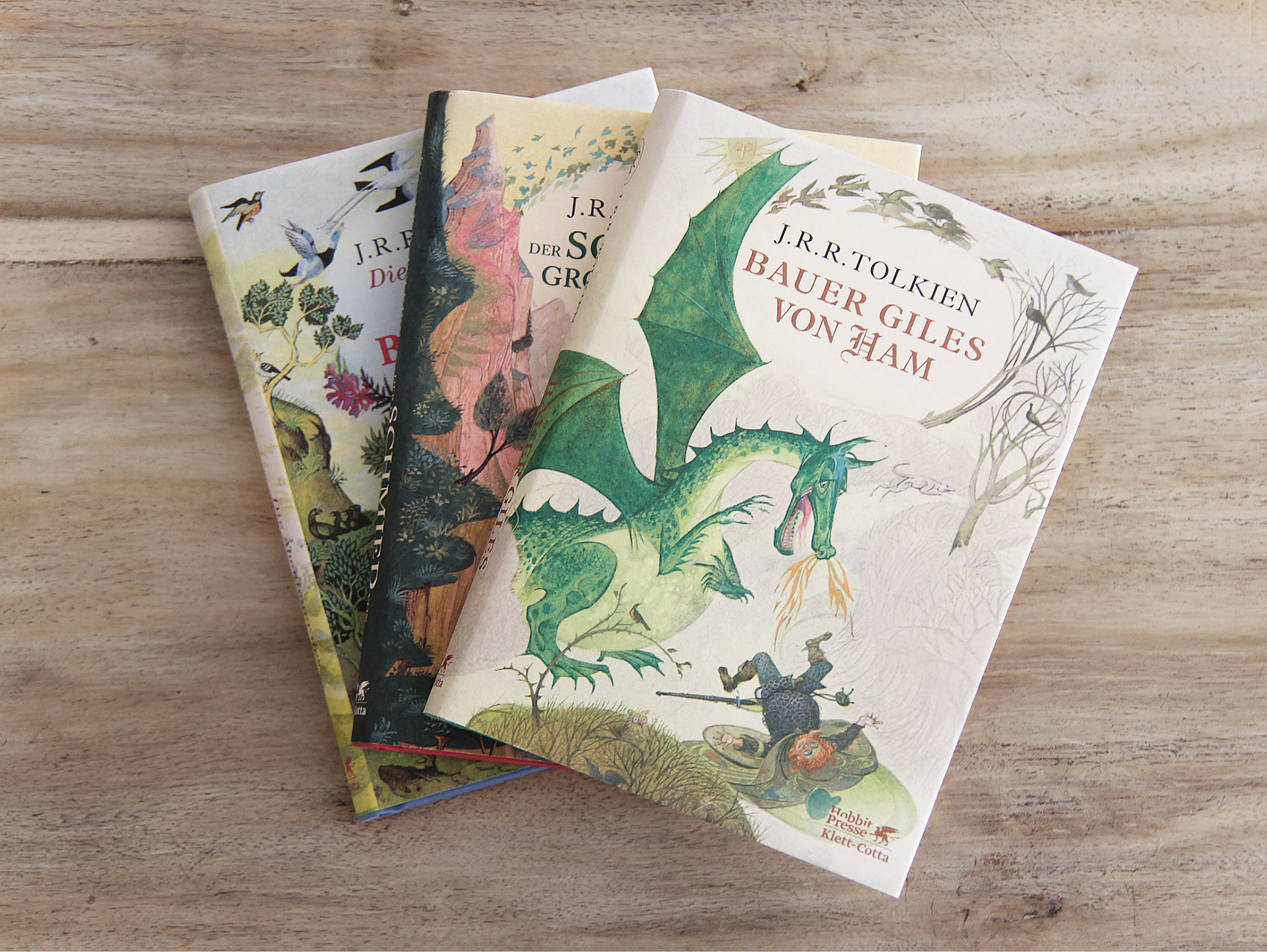
After Klett-Cotta Verlag called for reader contributions to the Hobbit Presse Blog, I couldn’t resist and had to submit my post about my beautiful deluxe edition of The Lord of the Rings. It was promptly accepted and rewarded with a lovely book package. Inside were three beautiful and bibliophile editions of Tolkien’s short stories and poems, which I would like to introduce to you today. In this post, you’ll find out what’s inside these little books and who they’re best suited for.
The Hobbit and The Lord of the Rings are two fantasy classics you can’t go wrong with. But what about Tolkien’s other works? Ages ago, I once read The Silmarillion, which didn’t impress me much at the time and left little memory. These three books had caught my eye several times—not only because they are beautifully designed but also because of Tom Bombadil, one of my absolute favorite characters from Tolkien’s world. His connection with nature, how he’s interwoven with his surroundings, and that touch of myth and fairy tale that clings to him—there’s something about it that always makes me dream. So, I was especially curious to see what awaited me in The Adventures of Tom Bombadil.
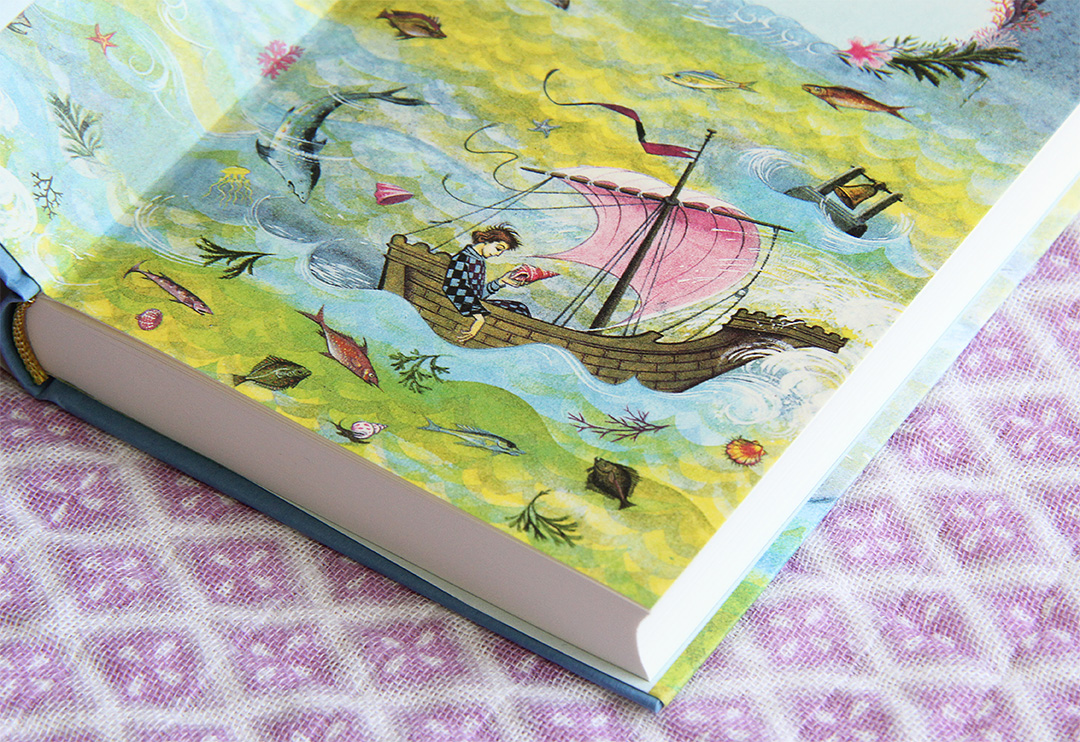
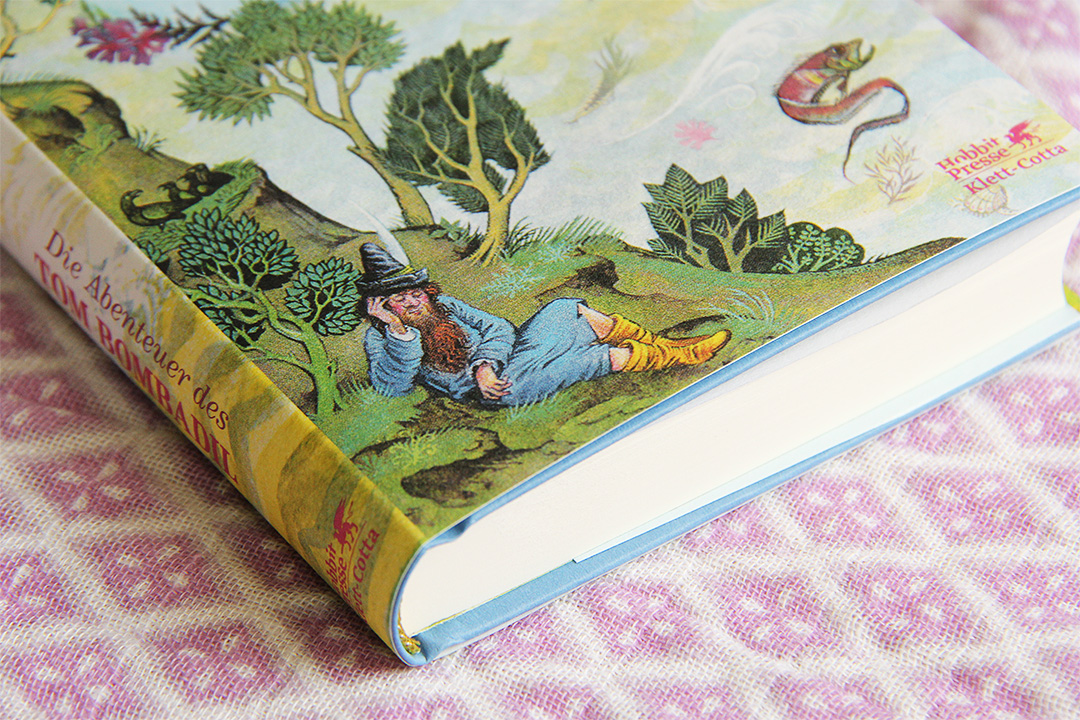
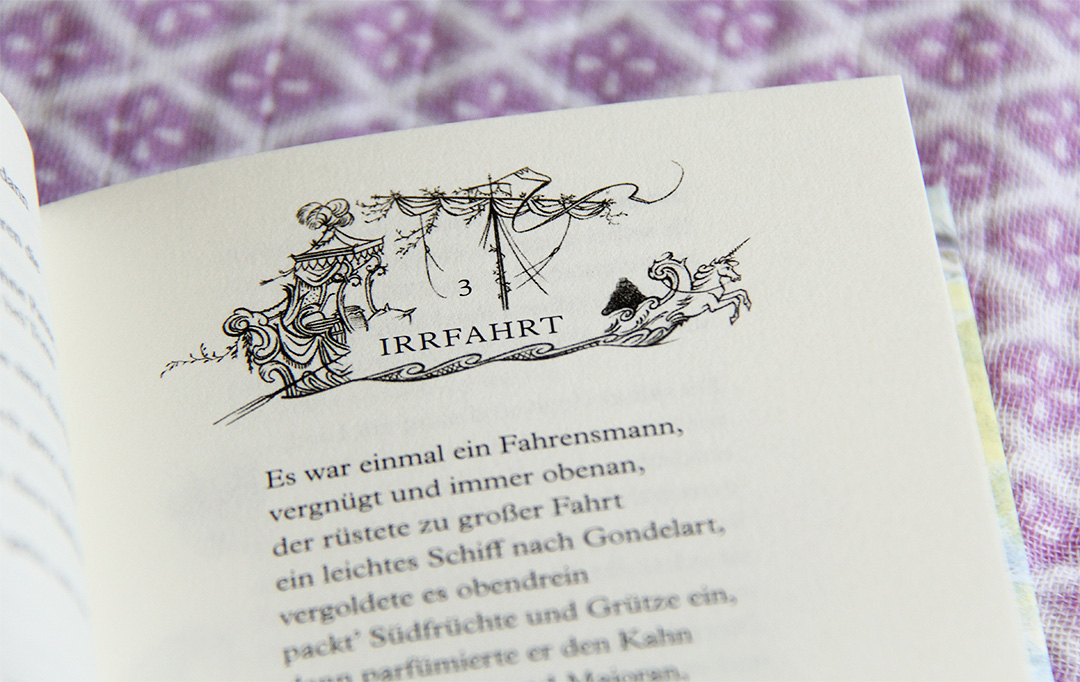
All three books share one thing in common: they are absolutely beautiful to look at and, with illustrations by Pauline Baynes, real little treasures. The British illustrator first became known for her drawings in The Chronicles of Narnia, but Tolkien admired her style and was very pleased with her illustrations for his stories. Both the lovely drawings on the dust jacket and the sketch-like illustrations within the books are very atmospheric and enhance the text. They have a certain old-fashioned charm—a whiff of the mythical—that perfectly matches characters like Tom Bombadil.
The first book I picked up was The Adventures of Tom Bombadil, as I was the most curious about it. It’s a collection of poems, which isn’t usually my thing. But the verses are well done, pleasant to read, and have a nice rhythm that kept me entertained. However, in terms of content, the book doesn’t offer much. The poems tell rather simple and straightforward tales—atmospheric, yes, but they didn’t quite spark my imagination. The little book is quickly read, since the poems are printed in both German and English, which means that the 195 pages are effectively only half filled with content. Still, for an avid Tolkien fan, it’s a real treat to have the original text included.
The second book I reached for was Smith of Wootton Major. Originally, the publisher Pantheon had asked Tolkien to write a foreword for the children’s fairy tale The Golden Key by George MacDonald. As he began writing about the nature of fairy tales, his text took on a life of its own and turned into an example demonstrating that fairy tales can be much more than just charming stories for children.
In this short story, a blacksmith regularly finds himself in the Land of Faery, where he experiences various adventures. The tale feels indeed fairy-tale-like, but in the end, surprisingly little happens. The story spans just over 70 pages; the rest consists of afterword, notes, and commentary that offer a detailed look at the creative process behind it. Once again, I felt that this book is primarily aimed at Tolkien enthusiasts interested in the background of his work. The story may have its subtleties, but it didn’t captivate me. It’s too short, lacks depth, has roughly sketched characters, and offers too little substance overall.
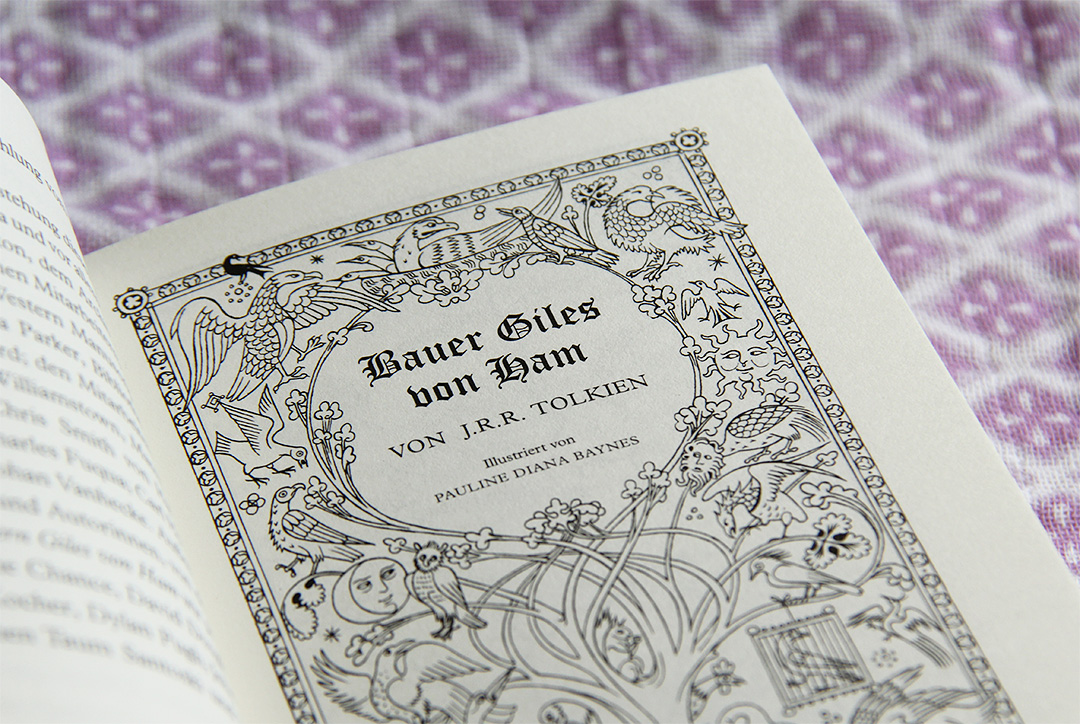
The last book I read was Farmer Giles of Ham. As the title suggests, it tells the story of Farmer Giles, who bravely stands up to a dragon. Originally, this was a tale Tolkien told his children orally. Years later, he wrote it down, and his publisher planned to include it in a collection of stories. Eventually, it became a standalone book, illustrated—like the others—by Pauline Baynes. Here, too, the actual story fills only about half the volume, with the rest consisting of extensive background material on its creation, including an earlier version.
But Farmer Giles of Ham didn’t win me over either. It has a slightly humorous, fairy-tale tone, but the story itself is rather flat and dull. I didn’t find the magic of Tolkien’s other works here, and even narratively, there’s nothing particularly remarkable.
Conclusion: My impression of the three books is mixed. On the one hand, I find them wonderfully designed, with Pauline Baynes’s illustrations, and they exude a lovely atmosphere. Everything fits together nicely, and when you hold these little books in your hands, they invite you to immerse yourself in Tolkien’s world. However, there isn’t much substance to the stories themselves, and the short tales didn’t really excite me. I would only recommend these books to Tolkien fans (or as a gift for such) or to bibliophiles who appreciate beautifully illustrated editions. These lovely volumes will certainly find their place on my shelf—but I probably won’t read them again.
Book Information:
The Adventures of Tom Bombadil • J. R. R. Tolkien • Klett-Cotta Verlag • 195 pages • ISBN 9783608960914
Smith of Wootton Major • J. R. R. Tolkien • Klett-Cotta Verlag • 249 pages • ISBN 9783608960938
Farmer Giles of Ham • J. R. R. Tolkien • Klett-Cotta Verlag • 241 pages • ISBN 9783608960921
1 Comment