
12 books that have completely changed my life and everyone should have read
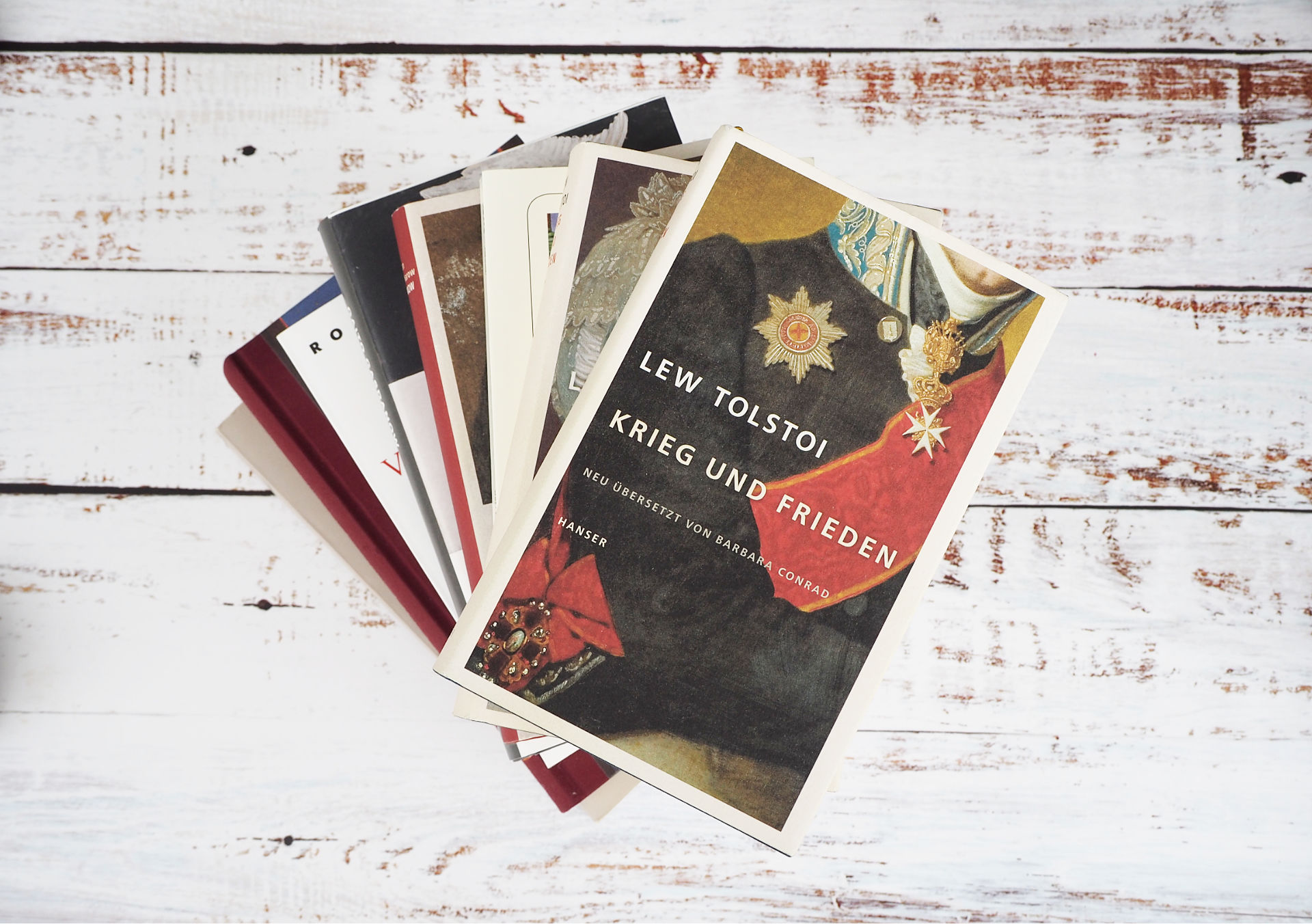
There are books that set something in motion within you, that give your view of the world a new direction. You don’t come across such a book very often, and if you do, it’s a pleasure to read and an incredible enrichment for oneself. Sometimes it’s just individual things that fascinate, sometimes a series of elements that seem novel or even shake your worldview. Today I’d like to introduce you to a few books that fall into this category for me and recommend literature that is very much worth reading and that broadens one’s horizons in one way or another. So look forward to what you’ll find in this article.
Before I begin, a few words about the wildly exaggerated title of this post. I think every book changes and influences you—after all, you spend quite a few hours with it. Some reading evenings have only a minor to almost no impact, for example when you read in a direction you’ve already thoroughly explored. Or when you reach for a light novel to relax. What book can fundamentally change a person? Every book and none. It’s entirely individual. In that context, my sensational title shouldn’t be taken too seriously. There are no books that everyone should have read. And for me, there are no books that have completely changed my life either. This selection contains books that spark ideas, whose content also holds real surprises, and that have stayed with me vividly. Of course, that’s all entirely subjective. But now on to my fine selection, which will hopefully inspire you. Don’t forget: you really should read them right now, this minute, so your life changes completely.
The Order of Time by Carlo Rovelli
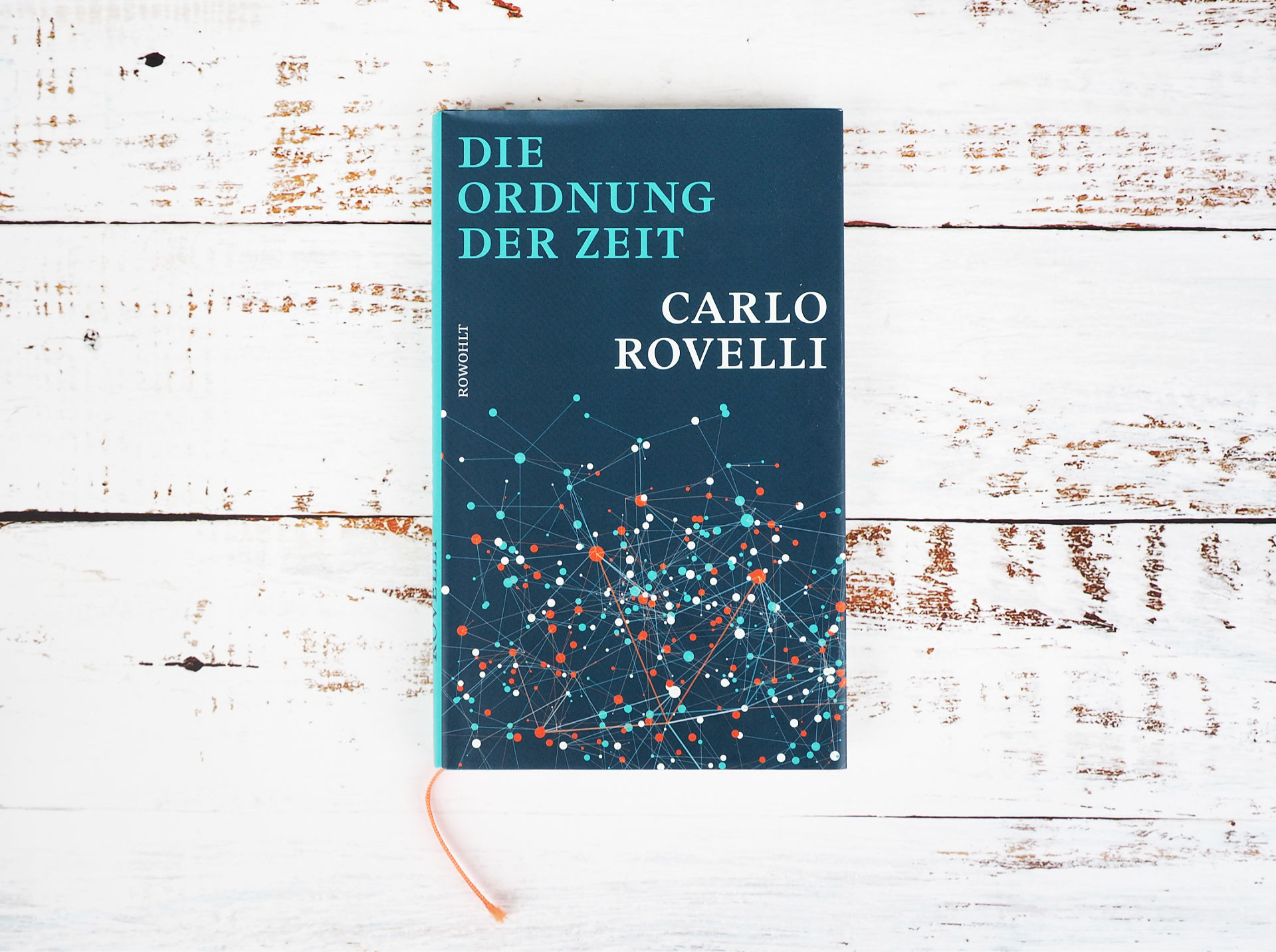
I’ve read several books by Carlo Rovelli. I like secondary literature on physics and philosophy simply because it’s truly entertaining, and the various interpretations of individual disciplines are also very closely tied to the author. Rovelli writes pleasantly, engagingly, and his books always have a specific idea, a punch line. In The Order of Time the central message is that time, in fact, doesn’t really exist. In the first part Rovelli shows why there is no linear time that runs the same everywhere and why there can be no universal simultaneity in the universe. In the second part he describes what the world looks like without time, and in the last part he draws conclusions from that. I must admit, I don’t remember many details of the book—which is great, because that means I can and will read it again. What has lodged firmly in my mind: our notion of time is wrong, it is not universally valid, and there is no simultaneity in this infinitely vast universe. When you read that people might discover life on exoplanets with the James Webb Space Telescope, it’s not just that this life may have long since vanished due to the great distance—no, that other world, if it ever existed, was never running in sync with ours. It’s not that at this very moment an alien somewhere, far, far away, is pottering about on its planet, because there is no synchrony. A truly fascinating thought that keeps you pondering long after reading.
Novellas by Guy de Maupassant
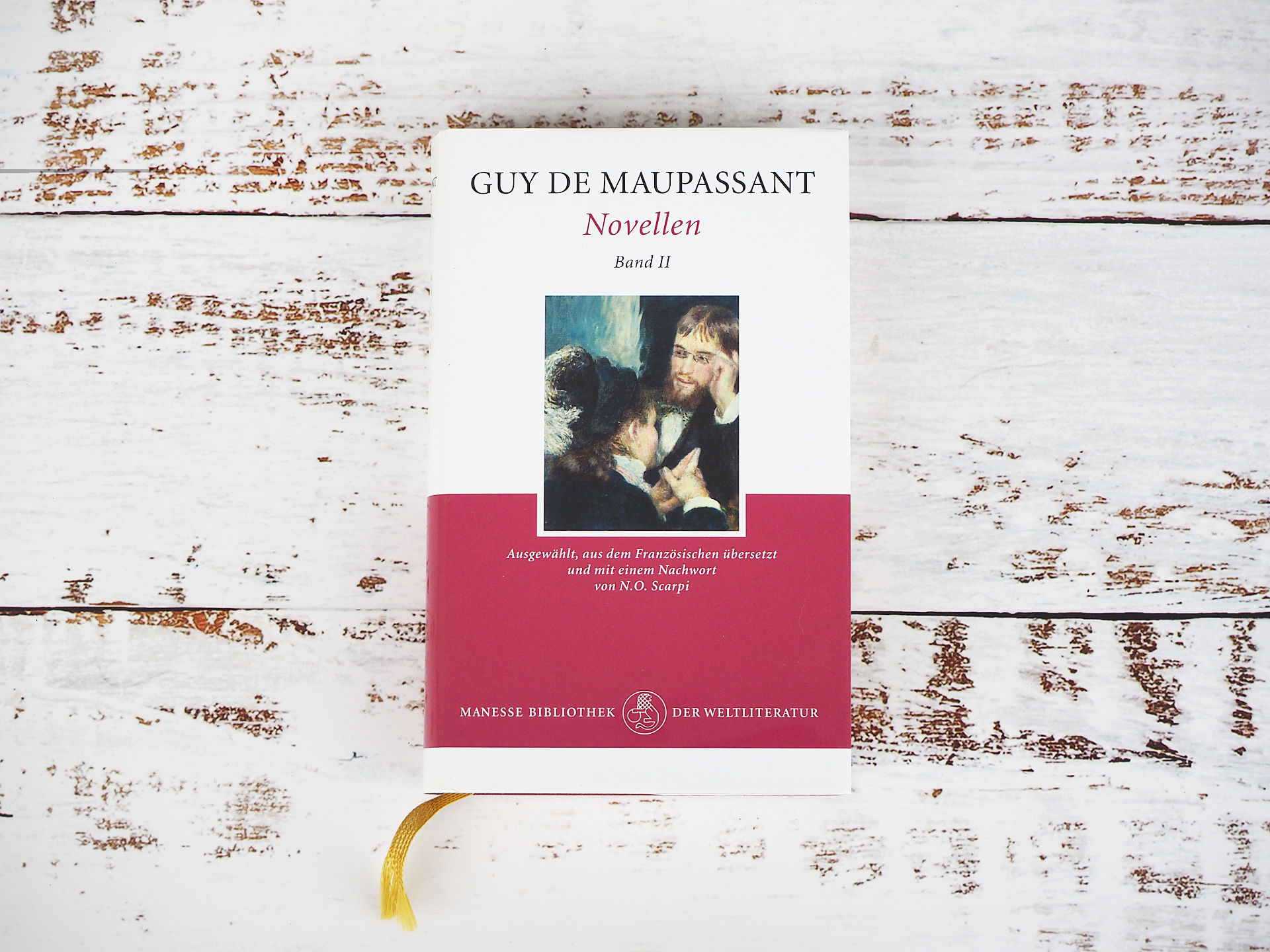
I love Maupassant and have devoured his novels and novellas. He has a wonderfully clear style and, unlike authors like Balzac, he leaves the reader entirely alone to interpret, dispensing with aphorisms or wise sayings. His novellas often leave the reader hanging, and only after the end do you truly grasp what kind of story it is. Why does Maupassant appear in this list? Quite simply: he wrote these books in the late 19th century, which is, well, a while ago. Two world wars separate us from that century, countless major inventions, the whole crazy digitization, the social changes brought about by the internet. And we all feel so modern, everything is different now, humans have progressed—there are democracies in Europe at least, there is education, there is science that has enlightened us all. But when you read Maupassant’s novellas, you realize that people over 100 years ago thought of themselves in exactly the same way. They also considered themselves progressive and thoroughly modern. What the novellas capture and reflect are events and human reactions that could be straight out of our time. In one novella a woman wants to commit insurance fraud—a tiny one, a trifle—but she tries it because she wants to squeeze something out. In another, the adult son and his wife think his mother has died and, that very night, they clear out her apartment because they fear the other siblings might take her belongings. Too bad the mother isn’t dead and wakes up the next day. If you read these novellas—how, in a conciliatory yet initially very bracing way, they expose people and society—you experience how little human nature has changed in the last 150 years and how appropriate a certain measure of humility is. These books are read far too rarely; the arrogance of our times would quickly subside.
The Count of Monte Cristo by Alexandre Dumas

The book The Count of Monte Cristo and its rough plot are almost universally known. I love it, and I even had it made as a deluxe unique edition. Why does this book appear here? For one, it’s a wonderful adventure I’ll never forget. The way Edmond Dantès escapes from the Château d’If, the moment he looks down over night-time Rome, his encounters with other characters—these and many other scenes are burned into my memory and appear before my mind’s eye almost like my own memories. But there’s another reason it’s included. It touches on elemental thinking. It’s about justice—what is still morally acceptable and what is not. When the Count sits with his two young guests on a balcony in Rome, witnessing an execution, that scene isn’t there merely to move the plot forward. The Count ensures that one of the condemned is pardoned. Only when the second man learns of that pardon does he lose his stoic composure and completely unravels. A typically human reaction, because humans can bear anything as long as enough people around them are bearing it too. It’s scenes like these that stir you, and they come back to me when similar structures appear in everyday situations, reminding me of books like this masterpiece by Dumas. And The Count of Monte Cristo is full of this abstracting gaze on human nature.
The Power of Persuasion by Robert Levine
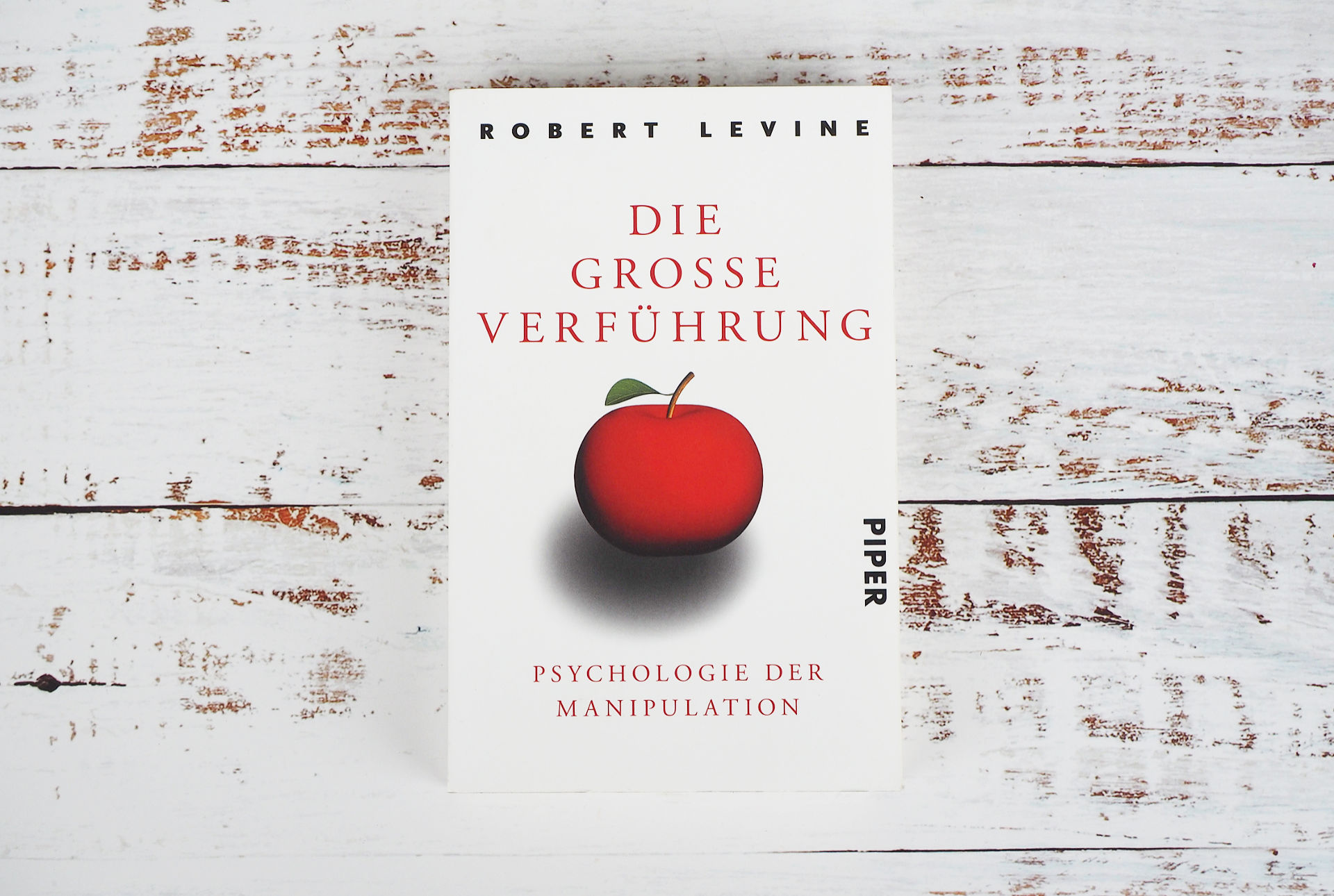
At university I took a semester of social psychology. Based on that, this nonfiction book didn’t have many surprises left. But it absolutely belongs on this list. I think there are numerous books of this kind, so this one is only exemplary—whichever you pick may not matter much. In The Power of Persuasion it’s all about the many manipulation techniques we encounter practically all the time in everyday life. The classic example starts with the supermarket, where you’re greeted at the entrance by a produce section bathed in warm light—colorful and fresh-looking—to put us in a buying mood. Or priming, which puts our brain into a receptive mode; or the old sales trick with cheap, mid-priced, and very expensive options so that the buyer chooses the middle one—the one meant to be sold. In short, a whole sack of ways we are manipulated in daily life—and ways we manipulate ourselves. A very illuminating book that leaves its mark on the reader. I pause at free samples, and I immediately make for the exit when I meet an overly charming salesperson, to name just two examples.
Oblomov by Ivan Goncharov
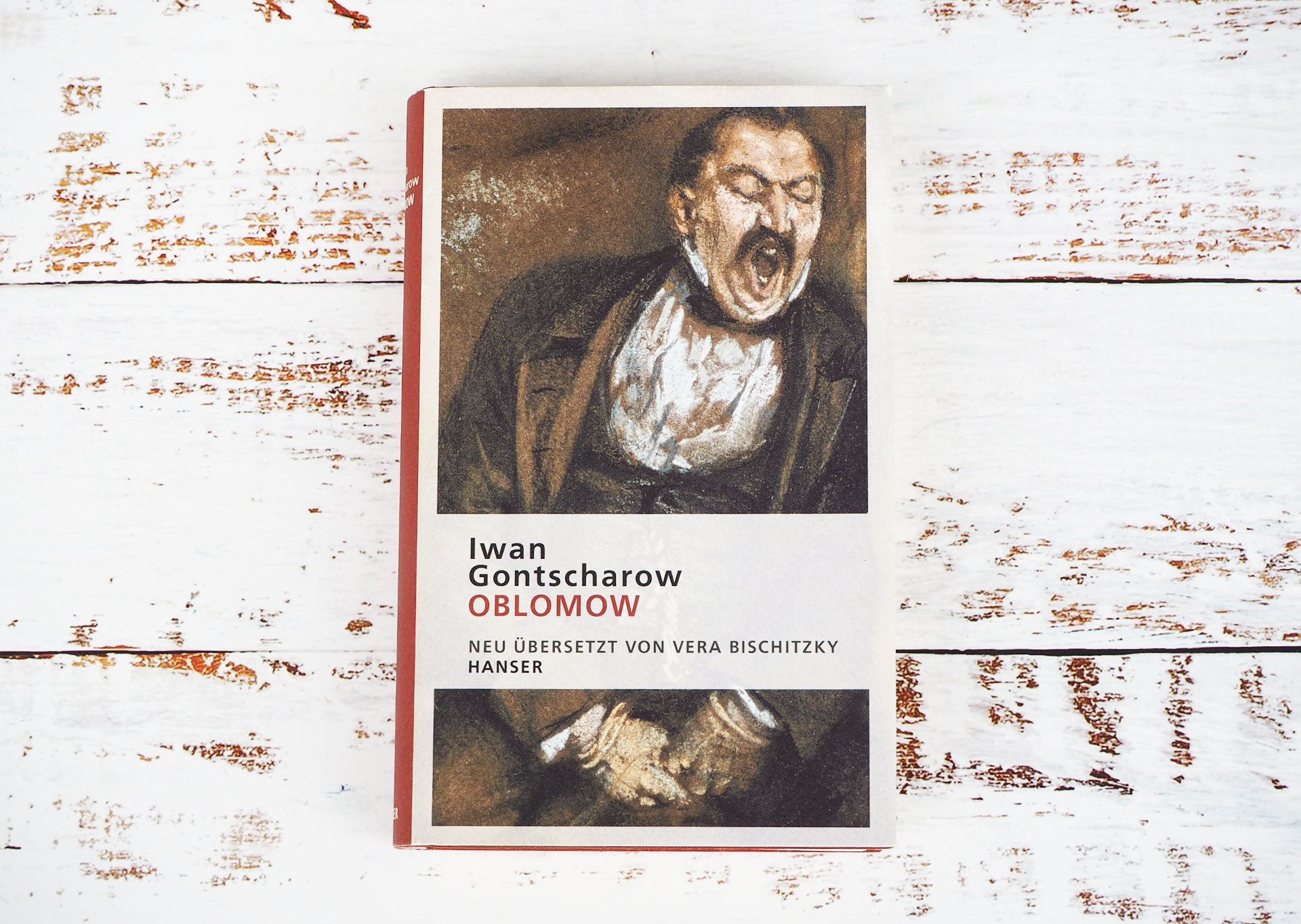
Another truly great classic—but in these books you simply encounter thoughts that leave a lasting mark. Which is no wonder, since these books have survived through the centuries for a reason. Oblomov contains many fascinating elements. It has to be on this list for a particular reason: it’s a wonderful character study that shows how childhood and its experiences extend across an entire life. Or, in the words of Irène Némirovsky: “You don’t forgive your childhood. An unhappy childhood is as if your soul had died without a funeral. It groans for all eternity.”
The quote is a bit bleak, and Oblomov is anything but—indeed I remember it as very humorous. Oblomov is a fabulously lazy nobleman who can’t get up from his divan all day (I believe it actually takes him nearly 100 pages to rise from it). At first you wonder what’s wrong with him; as the book progresses it becomes clear, because you learn more and more about Oblomov’s past and what shapes his nature. It’s an exaggerated picture, but each of us is also deeply shaped by our past, our childhood, and the people we’ve met and who have accompanied us through life. This book makes that tangible and vivid, and for that I’ve never forgotten it.
The White Rose by B. Traven

I’ve already reviewed several books by B. Traven on this blog. He’s a wonderful author, with an adventurous life story, and his works are full of striking and fascinating ideas. It hardly matters what you read by him—every one of his books brims with thoughts you won’t forget. The White Rose is a book that thrilled me, one I can recommend most highly. It’s about a hacienda owner who is robbed of his livelihood by ruthless capitalists. What is fascinating: Traven depicts both the life of the simple Indigenous man who owns the hacienda and that of the capitalist who has climbed the ladder with cunning within the economic system. The reader understands why this corporate boss acts as he does—why he must act that way—and that his lived reality compels him. So what about the corporations today that exploit resources through fracking without regard for environment and nature? What about the big food conglomerates making profits with dubious means? Or the energy crisis that the war in the middle of Europe has brought us? Traven finds apt words for these things, and when he describes how his protagonist deliberately conjures a crisis (in the book it’s a coal shortage, not natural gas), it becomes clear that every crisis also has its profiteers who make a killing from it—and that the panic it provokes is unwarranted. Anyone who wants to better understand today’s politics should absolutely read Traven. Here’s a quote as a small foretaste of what awaits the reader in this book:
Show a worker a twenty-dollar bill, and he will instantly become a capitalist. You don’t believe it? Try it. Bonuses are more effective today than whips were in the past.
Sophie’s World by Jostein Gaarder
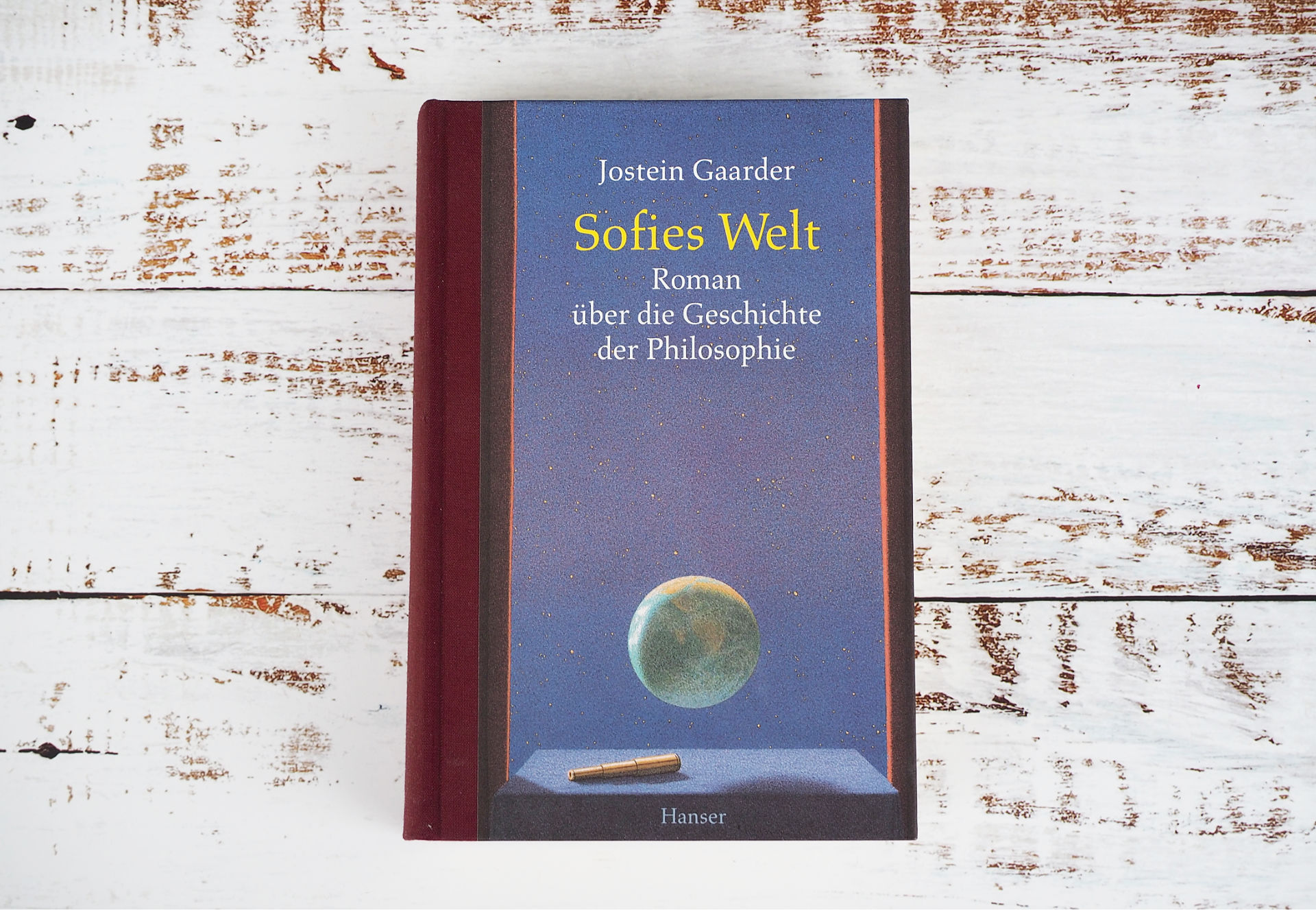
This book may be a bit hackneyed. I read it as a young teenager and loved it. It’s certainly no insider tip. But for me it was a revelation: for the first time I became aware of how many people have wrestled with the big questions. After reading it, I went to the library and discovered the philosophy section for myself. I think it’s also a good recommendation for adults, because it exudes that childlike, mysterious curiosity and connects it with the great questions people have always asked. And it’s a wonderful panoramic tour of the world of philosophy. It’s definitely more entertaining than, for example, the equally over-chewed philosophy primer The Philosophical Backstairs (Die philosophische Hintertreppe). If you haven’t thought about the fundamentals in a long time and don’t know the book, you can safely pick it up. And it’s also a really good tip for your own children (I think the age recommendation is around 14).
Gödel, Escher, Bach: An Eternal Golden Braid by Douglas Hofstadter
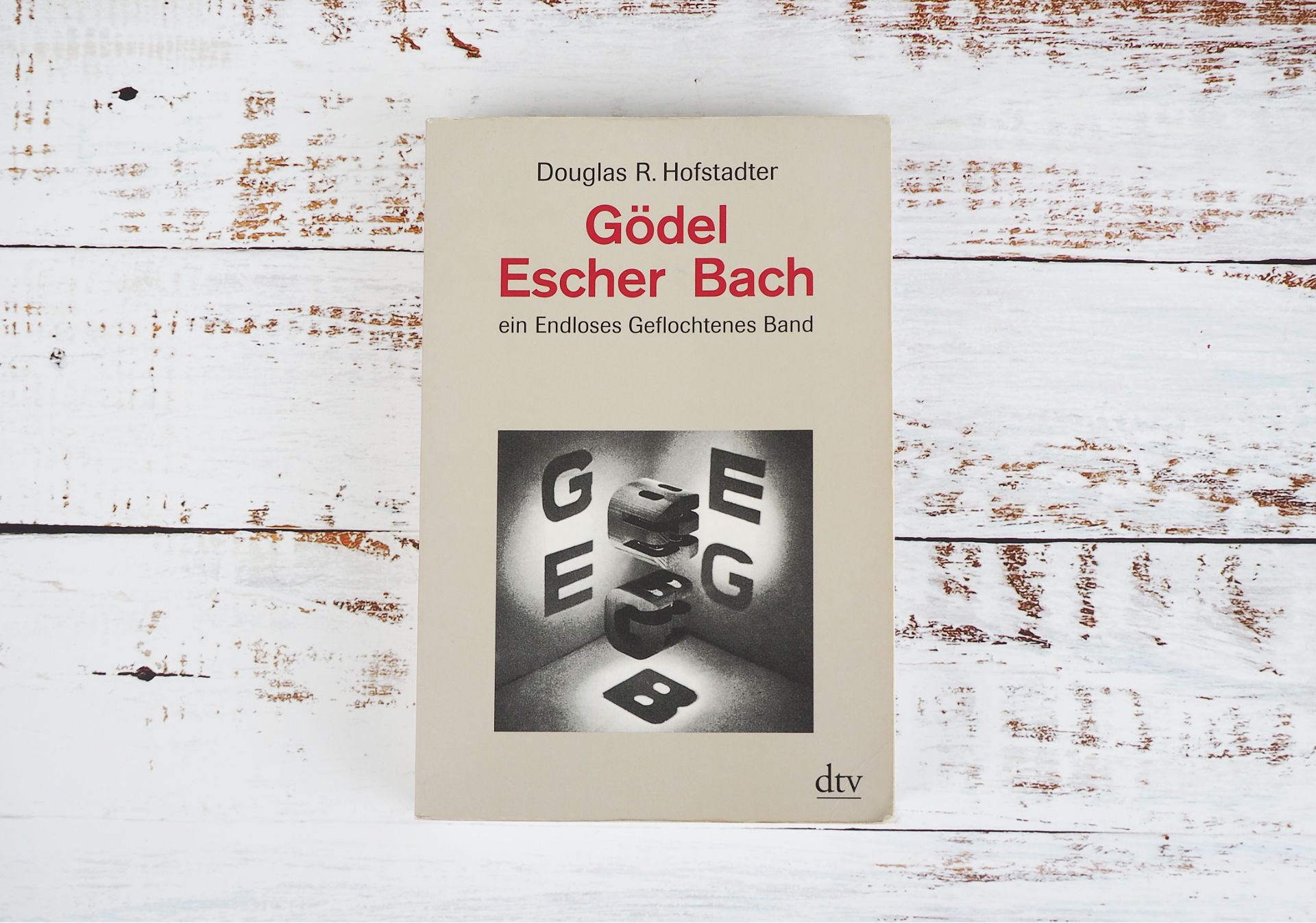
This book was a recommendation from my professor in theoretical computer science. I really liked him and often chatted with him—he was the very image of what you expect from a professor. Unfortunately, he smoked cigarettes and not a pipe. In any case, he was always disappointed that “Theoretical Computer Science II” never happened because everyone had already gone mad in part I. I found it fascinating because the big questions of theoretical computer science (for example the halting problem for Turing machines or the P vs. NP problem) are closely connected with mathematics. Countability and uncountability of sets, Gödel’s incompleteness theorem, and set theory’s treatment of infinity are all bound up with it. The book casts the net wider still. It shows there’s also a connection to the fugues of Johann Sebastian Bach and the seemingly impossible, perplexing drawings of M. C. Escher. Hofstadter calls them “strange loops.” What fascinated me most was the arc he draws to the human brain and the (at least between-the-lines) question of how the brain may also be affected by these “strange loops.” Whether the limits of computability and complexity theory might in some way apply to the brain. There’s a strong connection there. The generation of images from synchronized neural activity also comes up, and the book contains so many thoughts and ideas that it set off a firework of reflections in me, and I subsequently read numerous books on these topics. Gödel, Escher, Bach is a masterpiece and, in this list, among the books I recommend most highly—even if the reading is certainly a challenge for non–computer-science nerds.
Black Swans by Gaito Gazdanov
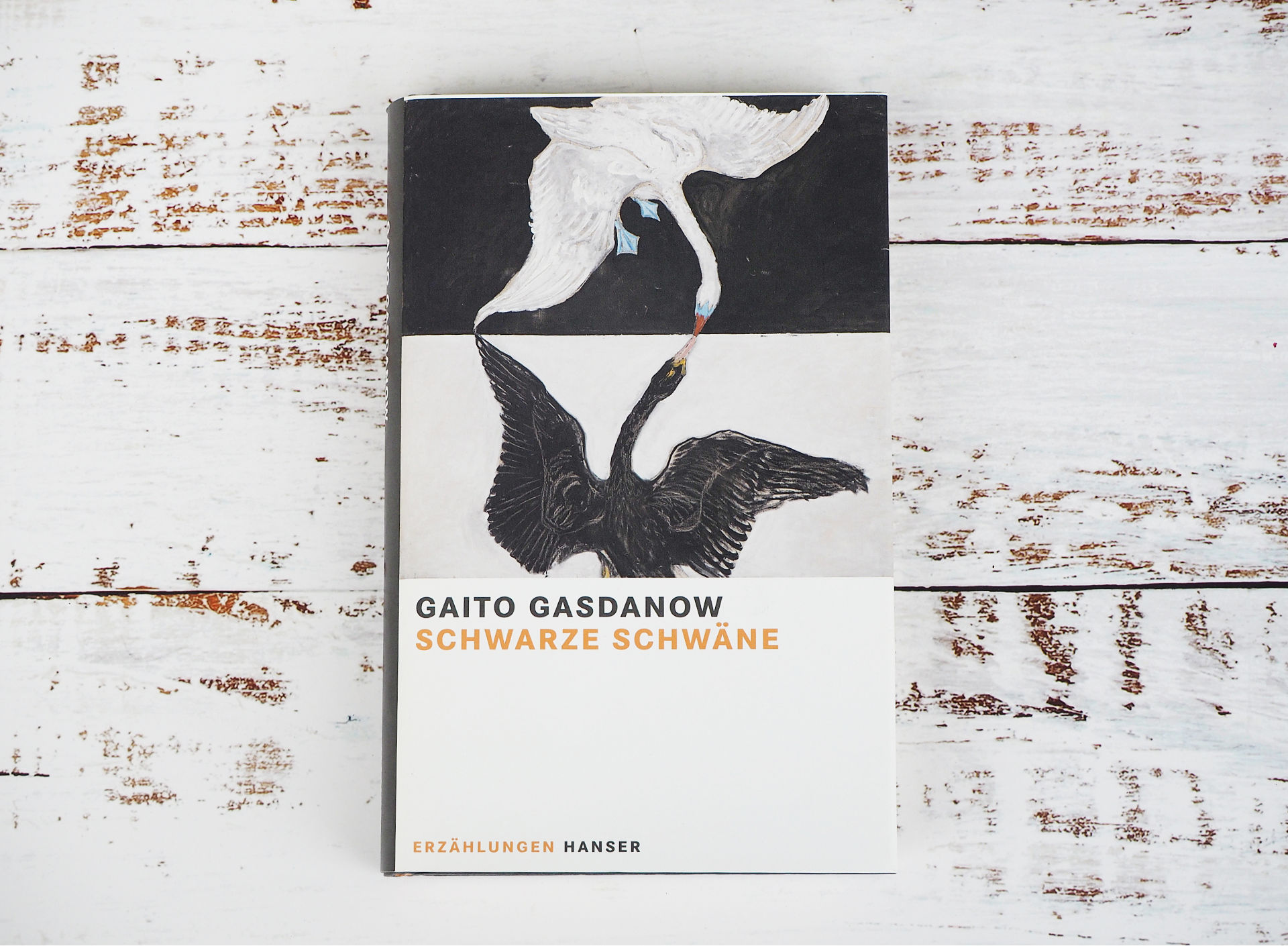
Regular readers of my blog know I love Gazdanov’s books. But why does he appear in this post? In fact, which book you choose isn’t that crucial; his other novels are clearly recommended in this context as well. Black Swans is a collection of stories and, thanks to its range, a good tip. Gazdanov’s books fit this list so well because his characters—and he himself, due to his involuntary exile—always occupy an outsider’s role. In his works you encounter people who stand on the margins of society and look at the world with a very particular gaze. Characters who may seem somewhat alien, yet you can still empathize with them. In doing so, Gazdanov always touches on philosophical themes and portrays characters with highly individual and authentic traits. The impulse you receive as a reader from these stories is diffuse and latent, but it lingers and nudges you a little to the sidelines yourself—which, in its own way, broadens the horizon.
War and Peace by Leo Tolstoy

Yes, I admit it, War and Peace is, by virtue of its popularity, simply overdone. But that doesn’t matter: it’s a masterpiece, and it’s so broad in scope that you can’t read it without reflecting—without starting to ponder. And if you don’t like Tolstoy, you’ll think about it in order to refute him. Many things have stayed with me, and in various situations in life I kept thinking of scenes from this epic. On one side you have the two main characters, Andrei Bolkonsky and Pierre Bezukhov. Both go through very different life situations, try themselves out in very different ways, and thus search for the meaning of their lives. I found that fascinating, and the question inevitably arises: what drives you, and to what extent do you see yourself in these figures? Beyond that I found the philosophy-of-history passages gripping, even if they can drag a bit. When Tolstoy describes how the great and powerful are in fact massively constrained in their freedom and lack the freedom of decision one might assume, it’s absolutely plausible. Or when he explains that it wasn’t Napoleon who placed himself at the head of the conquest of Europe, but that it was the people of that society—that the collective necessarily brought him forth. Whether that’s the truth or not isn’t the point. You start thinking about these things, and in light of the current geopolitical situation these thoughts are important; they let you see the constellation from another perspective. Of course there’s much more in the book, but even just for these aspects it’s an essential work that shouldn’t be missing here.
Nineteen Eighty-Four by George Orwell
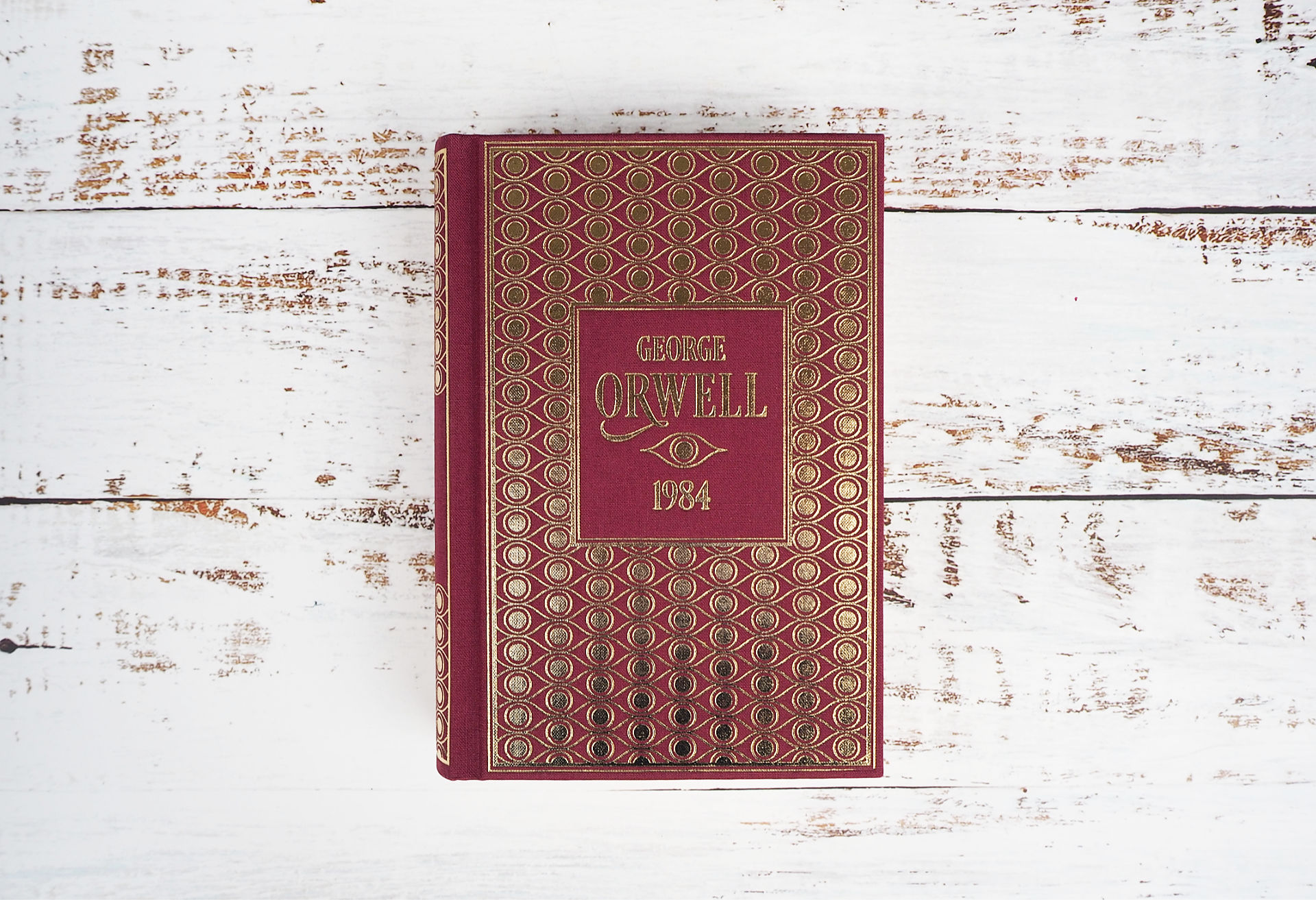
I don’t think Nineteen Eighty-Four by George Orwell can be recommended often enough. In view of what is happening these days with the data of billions of people—many of whom handle it thoughtlessly—this book feels more topical than ever. Looking at some countries, it seems more like a manual than a warning. In Nineteen Eighty-Four Orwell not only depicts the total surveillance of human beings as a dystopia; he constructs a society that has achieved a stable state but works to the detriment of its inhabitants. Concepts such as doublethink and how the functionaries of his fictional state change language in order to influence people’s thinking (very much in the spirit of Wittgenstein: “The limits of my language mean the limits of my world”) are shocking and illuminating at the same time. If you observe how language is being tinkered with here too, you realize how current the book is for German readers as well. I don’t think anyone can read Nineteen Eighty-Four and remain unaffected. The book only entered the public domain a few years ago, and since then a number of new translations have appeared. I actually had a really old, worn-out edition, which I (fortunately) couldn’t find anymore. That was reason enough for me to get the inexpensive yet handsome new edition from Nikol Verlag.
The Human Comedy by Honoré de Balzac
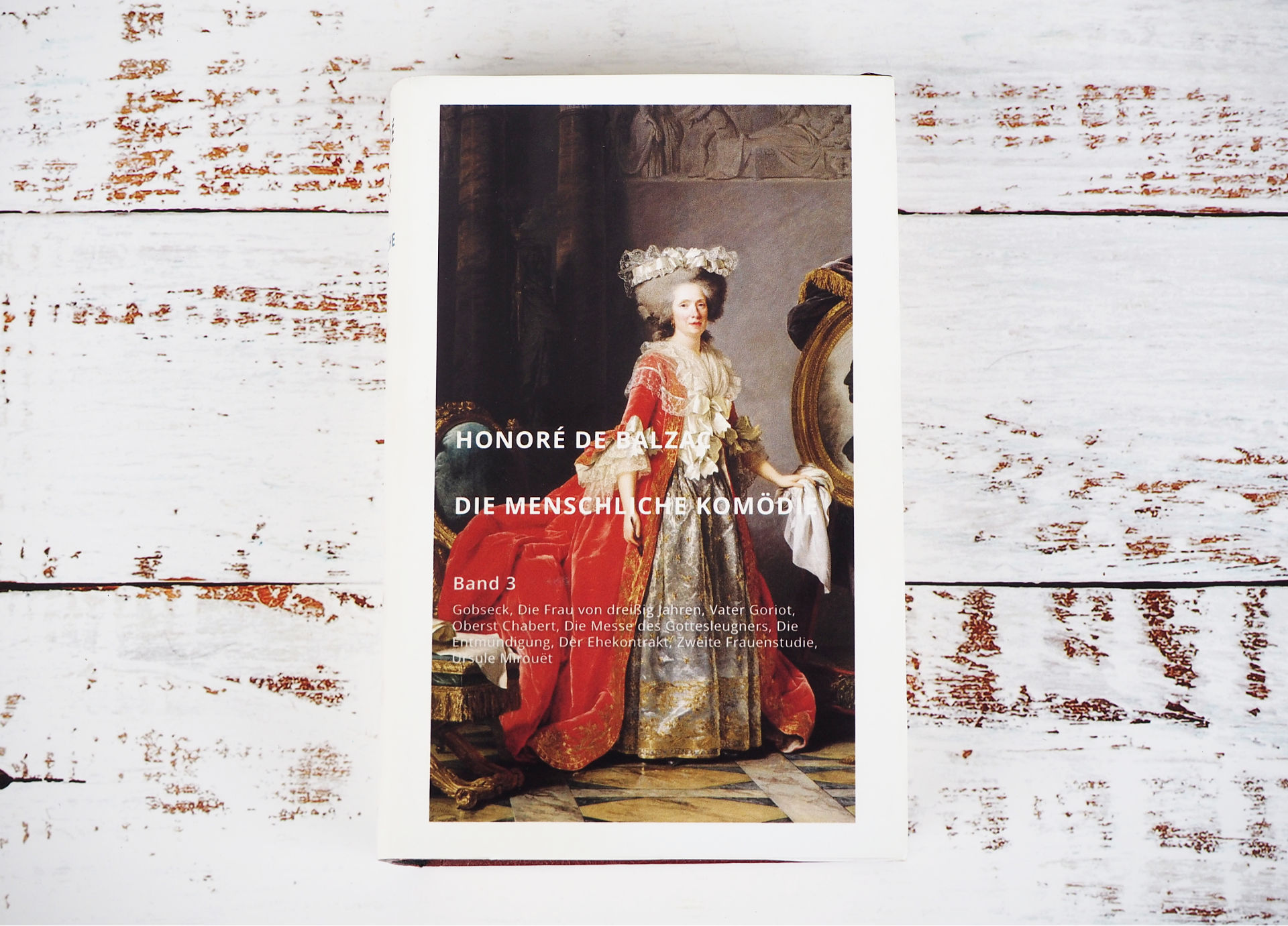
As the saying goes: the best comes last. I love Honoré de Balzac, and I’ve read more by him than by any other author. His life’s work, The Human Comedy, is unsurpassed; his influence on literature—on the authors of his time and on subsequent literary eras right up to the present—is undeniable. His oeuvre is gigantic; his novels then and now fascinate, entertain, and brim with philosophical wisdom. With a farsightedness and a topicality that fit his era—the French Restoration—as well as the present, portraying human thought and action in an abstracting way that has something universal. As an entry point I highly recommend Father Goriot; it offers a wonderful glimpse into his work and conveys, in a highly entertaining way, numerous ideas that are incredibly inspiring. I often caught myself thinking, while reading him, that this is exactly how it is—that he nailed the way people think and act. Of course he deliberately exaggerates to create entertainment value, but he also describes how humans have always ticked. Time and again you read headlines in the feuilleton like “Why it pays to read Balzac in times of crisis.” Balzac wanted to get rich all his life; he tried many things, and this striving is reflected in his books. When he describes how César Birotteau falls victim to real-estate speculation, it could just as well be ripped from today. Or when he portrays bankers doing their crooked deals, all the way up to the nobility, who naturally get in on the act too—and how characters repeatedly try to break through the onion layers of social classes. It’s entertaining, fascinating, and full of impulses—thoughts you can’t easily shake off. Read Balzac—there’s nothing more to add.
Conclusion: I hope you enjoyed my list and that you’ve found a few good book tips. Feel free to tell me about the books that thrilled you, that hold a special place for you and have influenced your thinking. I’m very happy about recommendations that come from the heart and from personal experience—just like this selection.
Gut, dass du deinen Titel gleich wieder relativiert hast ;-)
Ich wollte schon schimpfen, dass das gar nicht zu deinen sonst so ausgewogenen Artikeln passt – da du hast den Wind aus diesem steilen Segel selbst gleich wieder rausgenommen und durchaus mit einer frischen Brise Werke der Weltliteratur zum Besten gegeben, von denen ich – zugegeben gerade mal die Hälfte gelesen habe.
Danke für die Anregung – machmal hilft ja auch ein reißerischer Titel – aber bitte nicht so oft.
Beste Grüße.
Lieber David,
na das war natürlich die Absicht mit einem provokanten Titel die Leser anzulocken. In der hiesigen Medienwelt ist das ja schon fast zur Norm geworden. Aber keine Sorge, das wird nun hier nicht die Regel ;)
Ich hoffe, Du hast den ein oder andern Tipp mitnehmen können?!
Liebe Grüße
Tobi
Hallo,
Darf ich fragen, welche Ausgabe der “Menschlichen Komödie” hier abgebildet ist?
Vielen Dank!
Lieber Florian,
es ist die Gesamtausgabe vom Goldmann Verlag, die 1971 erschien, zusammengetragen von Ernst Sander. Die Bücher habe ich online bestellt und sie waren weitgehend ungelesen, aber die Einbände waren ziemlich durch. Daher habe ich die Bücher aufbereitet. Ich habe darüber auch gebloggt: Pimp my book: Bücher aufbereiten für den kleinen Geldbeutel
Liebe Grüße
Tobi
Lieben Dank für die Empfehlungen an Tobi!
Ich selbst muss zugeben, dass ich in bellizistischen Zeiten wie diesen, in denen die Rüstungsindustrie Hochkonjunktur feiert und man (frau) weder in schöngeistiger Literatur noch in eher eskalierend und also keineswegs objektiv-kritisch, sondern – statt dissonant und diskursiv hinterfragend – eine gefährliche Gewaltspirale überwiegend harmonisch begleitendem Journalismus eine logische oder menschliche Antwort finden kann, diese in Sachbüchern zu finden hoffe.
Neben Richard David Precht/ Harald Welzer, Die vierte Gewalt. Wie Mehrheitsmeinung gemacht wird, wenn sie keine ist., S. Fischer Verlag, Frankfurt am Main 2022, habe ich eine halbwegs stringente, wenn auch alles andere als beruhigende Orientierung auch in Jürgen Habermas, Ein neuer Strukturwandel der Öffentlichkeit und die deliberative Politik, Suhrkamp Verlag AG, Berlin, 3. Aufl., 1922, finden können.
Und natürlich hatte ich bei der Lektüre nicht nur ein Déjà-vu-Erlebnis zum hier von Tobi angesprochenen “1984” von Orwell.
Etwa, als ich in Precht/Welzer, a.a.O. z.B. S. 181 ff. von der schon seit der Jahrtausendwende benutzten Erkenntnis las, “dass Suchmaschinen nicht einfach ein hübscher Ort für Werbekunden” sind, “sondern eine Goldader für die Durchleuchtung der Nutzer”.
Und dass die Leit- und Printmedien, um mit den linearen, komplexe Zusammenhänge gefährlich vereinfachenden, indexierenden “Dot-com-Blasen” Schritt halten zu können, immer mehr kaufmännische als inhaltlich redaktionelle Entscheidungen treffen, die letztlich nichts mit einer “realistischen Beschreibung von Vorgängen”, mit “verifizierbaren Beobachtungen”, mit also der eigentlichen, der selbstverständlichen Aufgabe von Journalismus zu tun haben (Precht/ Welzer, a.a.O., S. 177).
Dies alles macht wenig Zuversicht und trotzdem bleibt – selbst in (mehr oder weniger deutlich erklärten) Kriegszeiten immer die Hoffnung.
Und wenn Tobi die Frage stellt, welche Bücher am meisten prägend waren, so sind es für mich ganz klar und konkurrenzlos jene von Franz Kafka.
Und dessen allegorische und symbolische Navigatoren helfen mir immer wieder durch den Alltag – ob begeisternd in sonnigen oder tröstend in neblig-düsteren Stunden.
Hier eine seiner schönsten lyrischen Gedanken:
“Träume sind angekommen, flußaufwärts sind sie gekommen, auf einer Leiter steigen sie die Quaimauer hinauf.
Man bleibt stehen, unterhält sich mit ihnen, sie wissen mancherlei, nur, woher sie kommen wissen sie nicht …
Warum hebt ihr die Arme, statt uns in sie zu schließen?”
(Franz Kafka in seinen Tagebüchern, zitiert nach Max Brod, Über Franz Kafka, Fischer Taschenbuch Verlag GmbH, Frankfurt am Main, 1980, S. 169)
Liebe Sandra,
ich denke man muss, sowohl bei Belletristik, als auch bei Sachbüchern, auf eine ausgewogene Bücherauswahl achten. Bei den Büchern, die Du nennst, sind schon einige Themen dabei, die man gut dosieren sollte, weil es sonst doch zu sehr auf das Gemüt schlägt. Deshalb liebe ich auch Bücher über Astrophysik, über die Zeit, über Kognitionswissenschaft oder eben eine Gesellschaft, die weit zurück liegt und natürlich einen ganz starken Bezug zu dieser Tage hat, aber eben nicht den trüben Blick in das aktuelle Zeitgeschehen öffnet.
Kafka hat für mich auch immer eine echt schwermütige Komponente. Da muss ich immer an Kaffeehaussitzers Blogbeitrag Kafkaesk in Prag denken. Besonders ist mir ja “Der Prozess” von Kafka in Erinnerung geblieben.
Ich hoffe in der Auswahl war vielleicht auch für Dich ein guter Tipp dabei, wobei ich mir sicher bin, dass Du schon zahlreiche Bücher davon gelesen hast.
Vielen lieben Dank für Deinen Kommentar. Überhaupt freue ich mich immer sehr über Deine gehaltvollen und fundierten Kommentare, die jedes Mal wirklich eine Bereicherung sind.
Liebe Grüße
Tobi
Lieber Tobi,
danke, ja, Kafka wird hier oft sehr Unrecht getan. Ich zitiere nur seinen besten Freund, Max Brod:
“Es ist ein neues Lächeln, das Kafkas Werk auszeichnet, ein Lächeln in der Nähe der letzten Dinge, ein metaphysisches Lächeln gleichsam, – ja manchmal, wenn er uns Freunden eine seiner Erzählungen vorlas, steigerte es sich, und wir lachten laut heraus.” (Max Brod, zitiert nach: Der komische Kafka. Eine Anthologie, hrsg. von Günter Stolzenberger, marixverlag in der Verlagshaus Römerberg GmbH, Wiesbaden 2015).
Und ich selbst kriege mich regelmäßig vor Lachen nicht mehr ein, wenn ich folgende Anekdote von Franz Kafka lese:
https://www.franzkafka.de/fundstuecke/kafka-lacht-den-praesidenten-aus
;-)
Lieber Tobi,
zu Oblomow, 1984, Krieg und Frieden, Sofies Welt. Das sind Geschichten, die mir nach wie vor im Kopf rumschwirren – und die ersten drei davon habe ich vor knapp 60 Jahren zum ersten Mal gelesen. Oblomow und 1984 später noch mehrmals.
Mein Leben hat “Der Fänger im Roggen” von J.D. Salinger verändert. Ja, Leben verändert! 1966 in biederen Verhältnisse aufgewachsen, in konservativem Schulumfeld “gebildet”, zur Tanzstunde mit Krawatte gegangen und nicht nur Hully Gully und Twist gelernt, sondern auch gutes Benehmen den “Damen” gegenüber. Dann habe ich Holden Caulfield kennengelernt, das Gegenstück zu mir und den Mitschüler des alt- und neusprachlichen Gymnasiums für Jungen.
Das Buch, an dessen Übersetzung Heinrich Böll beteiligt war, hat mir die Augen geöffnet für die Welt außerhalb der Blase, in der ich lebte.
Als ich 1968 an die Uni ging, war ich trotzdem nicht der ’68er Revoluzzer, aber wesentlich kritischer Politik und Gesellschaftsstrukturen gegenüber, als ich es vermutlich ohne den Fänger im Roggen gewesen wäre.
Lieber Tobi,
herzlichen Dank für diese Zusammenstellung. Die meisten der Titel kenne ich bzw. habe sie auch gelesen. Die bisher unbekannten habe ich mir notiert für die Zukunft, denn irgendwie werden gute Bücher immer weniger….
Die bewußte Übertreibung, dass die Bücher gleich Dein Leben verändert haben, nehme ich schmunzelnd wahr. Dabei glaube ich schon, dass Bücher den Leser verändern können, nicht abrupt, nach einer einzigen Lektüre. Eher allmählich und langfristig, aber schon merkbar.
Auch in kultureller Sicht: Erst mit der Lektüre von den »Erzählungen Iwan Belkins” von Alexander Puschkin bin ich offen für Literatur aus dem russischen Sprachraum geworden. Damit kann ich Dein Lob von Tolstois »Krieg und Frieden« gut nachvollziehen, auch wenn ich »Anna Karenina« für mindestens gleichwertig halte.
Sandras Beitrag, den ich hervorragend finde, hat mir Mut gemacht ein Thema anzuschneiden: Erst mit der Lektüre von Sarah Wagenknecht »Die Selbstgerechten« und Feddersen/Gessler »Kampf der
Identiäten« ist mir klar geworden, welchen Holzweg die Identitätspolitik eingeschlagen hat.
Ein bischen dort hinein gehört auch Philipp Roth »The human stain«, der deutsche Titel war wohl »Der menschliche Makel«.
Es sind also keineswegs nur Sachbücher, die einen beeinflussen.
Eher im Gegenteil, ich suche geradezu nach Literatur, die meinen Horizont erweitert und das Verständnis für fremde Kulturen.Wie es Gusel Jachina atuell in ihren Romanen aus dem Kulturraum der Wolgadistrikte Russlands schafft.
Oder Werke wie die des Norwegers Aksel Sandxemose, die vor philosophischen und psychologischen Erkenntnissen gerdezu strotzen. Das sind für mich auch Gründe, warum ich die Tendenz in der Ukraine, alles an russischer Kultur
auszumerzen für völlig falsch halte, auch in Anbetracht der russischen Invasion.
Dass ich kein Kafka Fan bin, geschenkt, der ist mir einfach zu depressiv, ähnlich wie Dostojewski.
Aber auf einen Punkt möchte ich noch hinweisen. Welche Bücher für einen wichtig sind, hängt sehr stark vom Lebensabschnitt des Lesers ab. Im Studium fand ich Hermann Hesse wegweisend. Später die SF eines Stanislaw Lem. In den Dreissigern Bergsteiger-Bücher wie Reinhold Messner oder Reinhard Karl. Darüber muss ich heute eher lächeln, sie geben mir nicht mehr viel.
Und ich suche nun Bücher, die mir helfen den Sinn des Lebens und der Menschheit helfen zu verstehen.
Ob man besser von den wichtigsten Büchern eines Lebensabschnitts spricht?
Dankeschön an Michael, dem ich das Kompliment gerne zurückgebe, ebenso wie an viele andere Kommentatorinnen und Kommentatoren und letztlich an Tobi, der einen ebenso sachlichen wie uneitlen Blog betreibt, der Kommentatorinnen und Diskutanten nicht nur inspiriert, den eigenen “Senf” hinzuzugeben, der vielmehr auch einen Diskurs unter Vielen auf Augenhöhe ermöglicht.
Dass ich kein Sahra-Wagenknecht-“Fan” bin – ebenfalls “geschenkt” ;-)
Das hindert mich aber nicht, einen u.a. von ihr initiierten Appell für mehr Diplomatie und gegen die grauenvolle Kriegslogik, die ich nicht als logisch erkennen kann, zu unterschreiben.
Und der Begriff “Identitätspolitik” ist ja in allen möglichen, sich teilweise widersprechenden Sinnen konnotiert.
Ich verstehe IP als ein Bewusstsein, dass auf individuellen Identitäten beruht, die sich in Gruppen wiederfinden, weil sie sich im Vergleich zu anderen benachteiligt, wenn nicht gar diskriminiert fühlen.
Und so lange, um nur ein Beispiel zu nennen, der genetisch-wissenschaftlich inzwischen gesicherte Fakt nicht anerkannt wird, dass es keine menschlichen “Rassen” gibt, so lange also Rassismus grassiert, so lange finde ich etwa die BLM-Bewegung, und also IP wichtig und richtig.
Ich selbst finde die Headline von Tobi übrigens nicht übertrieben.
Franz Kafkas Werk hat tatsächlich mein Leben verändert. So bin ich Mitte der Nuller-Jahre eher zufällig auf Kafkas “Amerika” aus der SZ-Bibliothek gestoßen (auf dem Buchrücken fand sich sein wunderschönes charismatisches Portrait). Und seither lässt mich seine glasklare, reine, schnörkellose Prosa, die trotz ihrer unprätentiösen Art gewaltige Bilder malt, nicht mehr los.
Und seitdem fahren mein Mann und ich jedes Jahr zum ersten Advent (mit Ausnahme zweier schmerzlicher Corona-Zwangspausen) nach Prag, um Kafkas Wege nachzuvollziehen.
Und dass Kafka alles andere als humorlos war, habe ich oben schon versucht darzustellen.
Und wenn er immer wieder in das “unverbindliche Dämmerlicht des Bloß-Phantasierenden (oder des völlig Welt-Zerstörenden, Sich-selbst-Zerstörenden, Nihilistischen)” gerückt wird, so widerspreche ich mit einem, der ihn besser kannte, als jeder andere, seinem langjährigen Freund Max Brod.
Alle, die Kafkas Werk deprimierend und nihilistisch nennen und ihn gar mit einem frauenverachtenden, macht- und kriegsverherrlichenden und also lebensfeindlichen Möchtegern-Philosophen vergleichen, sei also mit Max Brod wie folgt erwidert:
“Denn Nietzsche ist ja in der Geschichte des letzten Jahrhunderts der fast mathematisch genaue Gegenpol Kafkas. Es zeigt die Instinktlosigkeit mancher Kafka-Erklärer, dass sie sich nicht scheuen, Kafka und Nietzsche (.etwa mit der Begründung, dass beide krank waren und zur Gesundheit strebten) auf einer Ebene zusammenzubringen, – als ob es hier irgendwelche noch so vage Bindungen, Vergleichsmöglichkeiten und nicht den puren Gegensatz gäbe; als ob das, was Kafka Gesundheit nennt, nämlich ein reines, liebevolles, niemanden schädigendes Leben, und Nietzsches betonte Mitleidlosigkeit der ´blonden Bestie` einen gemeinsamen Nenner hätten.” (Max Brod über Franz Kafka, a.a.O., S. 259)
Schon die Ansichten zu “Krieg” und “Macht” trennen Nietzsche und Kafka. So meint Nietzsche (leider aktueller denn, wenn auch ebenso abwegig wie eh und je): “Eine Rechtsordnung, als Beschränkung des Krieges gedacht, wäre ein lebensfeindliches Prinzip; ein Zeichen der Ermüdung, ein Schleichweg zum Nichts!”.
Dem setzt Kafka diametral entgegen: “Macht ist der Würgegriff der Alexanderschlacht, den auszulöschen Inhalt unseres Seins bedeutet.” (zitiert nach Max Brod, a.a.O., m.w.N., S. 258).
Kafkas Werk kann man m.E. nur in seinem biografischen Kontext verstehen. Und man muss ihn unbedingt als Mensch kennenlernen, so wie etwa seine große Liebe, Milena Jesenska, ihn in ihrem berührenden Nachruf beschreibt:
https://www.franzkafka.de/fundstuecke/milenas-nachruf
Schönen guten Morgen!
Eine echt interessante Liste und die meisten Titel kenne ich dem Namen nach. Vieles davon ist aber für “zu schwere Kost” muss ich ganz einfach zugeben :)
Allerdings hab ich Der Graf von Monte Christo gelesen – das fand ich auch total klasse, ist aber bei mir schon sehr lange her.
1984 ist auch schon eine Weile her, aber das war auch für mich beeindruckend. Welche Ausgabe ich hatte weiß ich nicht mehr… den Stil fand ich aber etwas zäh, wenn ich mich richtig erinnere.
Was auch bei mir zu den Büchern zählt, die etwas bei mir im Leben bewegt haben, war Sofies Welt. Das hab ich gelesen, ich weiß nicht mehr, als ich Anfang 20 war? Oder kurz vor 20? Jedenfalls hat es mich sehr bewegt und mir die Philosophie eröffnet – über die ich vorher nie so wirklich nachgedacht hatte.
Deinen Beitrag hab ich heute gerne in meiner Stöberrunde verlinkt :)
Liebste Grüße, Aleshanee
Ich habe “die weiße Rose” von Traven bestellt, nachdem ich hier davon gelesen habe, den Autor kannte ich vorher nicht.
Es ist ein absolut wunderbares Buch, vielen Dank für diese Empfehlung, ich hatte große Freude beim Lesen!
Vielen lieben Dank für den Kommentar und das Feedback. Das freut mich sehr, dass ein Buchtipp von mir gefallen gefunden hat. Traven ist einfach echt gut und wenn ich alleine an die Beschreibung von dem Konzernboss denke, bekomme ich schon wieder Lust auf ein weiteres Buch von Traven.
Liebe Grüße
Tobi