
Abschied • Sebastian Haffner
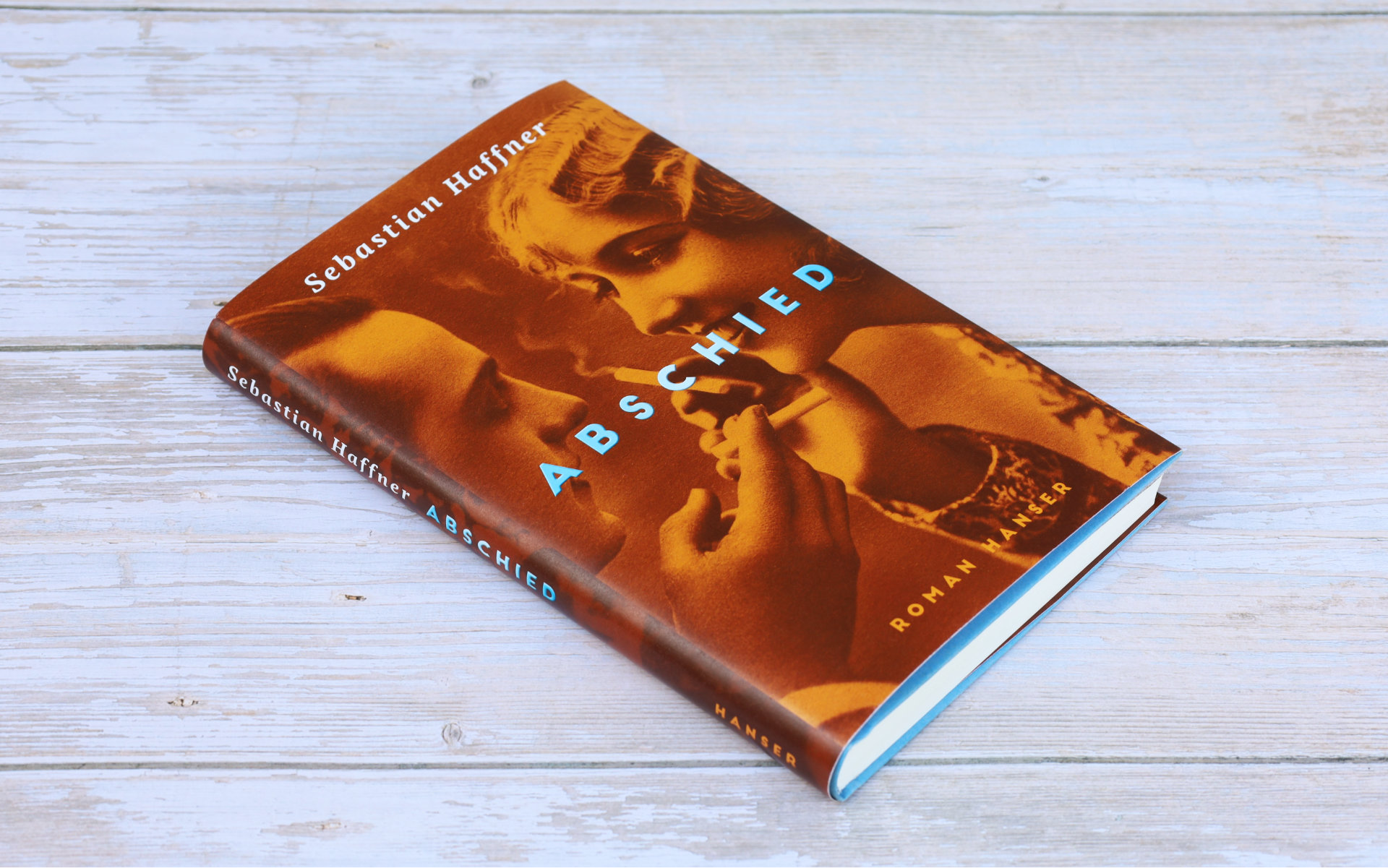
I first came across Abschied by Sebastian Haffner in the Hanser catalogue. The blurb sounded intriguing, and it landed on my wish list: a love story set in Paris between the world wars—a backdrop that, for me, is always irresistible. On top of that, this was a discovery from Haffner’s literary estate, essentially a chance treasure recovered from the world of letters. Naturally, I was curious what to expect. I really liked the design, and after the book’s publication the marketing drumbeat was hard to miss, so I bought it. Is it really the rediscovery of the year? A small pearl of world literature? Or did the marketing pull a fast one on me?
Raimund Pretzel from drab Berlin spends a few days in Paris to visit his youthful love Teddy and take a holiday with her. Together they savor the beautiful, cosmopolitan Paris of the early 1930s and meet all sorts of characters. They spend their time at parties, in cafés, in tiny student rooms in the Quartier Latin, and on the atmospheric Parisian streets. Raimund, along with several other students, gentlemen, and bohemians, courts Teddy’s favor. But time is limited, and as you read you’re always also glancing at Raimund’s borrowed watch—their time together is running out.
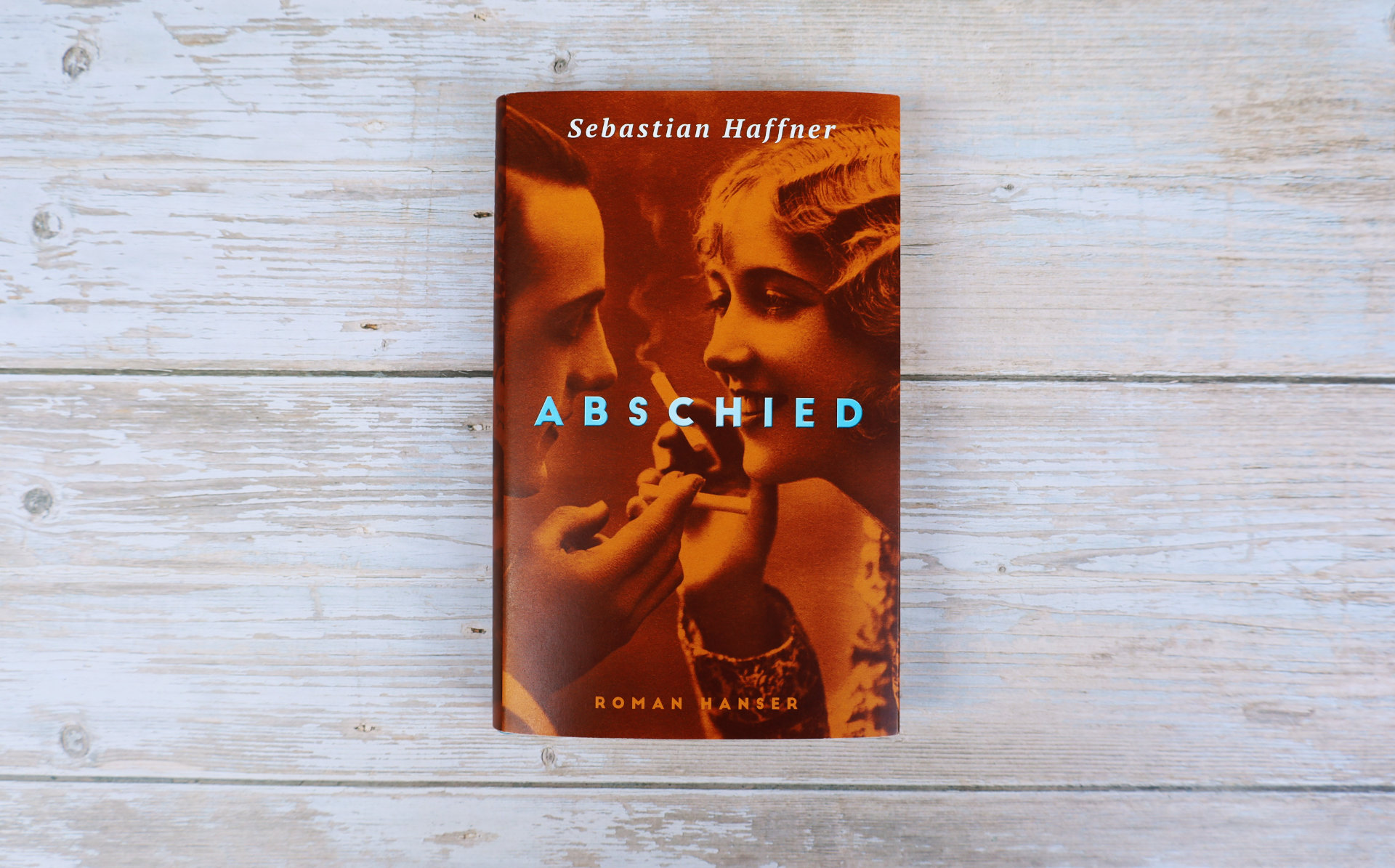
On paper, the premise is very appealing. And the format—a slim but carefully designed book—also appealed to me. A small treat for in between. I started reading shortly after taking it home from the bookshop. I was a bit disappointed by the language. I liked some of the old-fashioned turns of phrase, but in the end the sentences were unspectacular and not especially beguiling. There are a few lovely thoughts, but stylistically it didn’t carry me along in an enjoyable flow. The first-person perspective and Raimund’s narrated scenes and sentences were, in the end, too plain.
I did very much enjoy the setting—Paris in the ’30s. Haffner repeatedly describes the city, giving the surroundings plenty of room. I also found Teddy, as a character, very atmospheric; she fits wonderfully into this open and free Paris. Taken as a whole, though, the story never really gets going and remains flat throughout. Individual encounters and outings are described in detail, which made the book quite tedious. The dialogues are also very flat. If you’re expecting any depth here, you’ll be disappointed. It’s banter among perpetual students and young men living off their parents. There are lots of repetitions, so the characterization stays at the surface. I felt the characters were meant to convey the mood and spirit of 1930s Paris but were otherwise confined to the role of extras (in gamer parlance, they’re NPCs—and nothing more). I didn’t feel any emotional pull at all.
None of the figures won me over. Granted, the behavior reflects the zeitgeist. But the narrator, Raimund, was deeply unsympathetic to me. He often acts like a big shot without much behind it. He repeatedly mansplains and tells Teddy how stupid she is—while ignoring that she speaks both French and English far better than he does. It’s very arrogant and unpleasant, and I spent the entire book hoping Teddy would just show him the door. Sure, these are the 1930s—but if that was the pool of available men back then, well, good night.
Sebastian Haffner, born in Berlin in 1907 as Raimund Pretzel, was a German jurist who turned to journalism in the 1930s and, while in British exile during the Second World War, became known as a sharp commentator on German politics. After returning to Germany, he helped shape public debate as a columnist and author of numerous works on contemporary history, including on Hitler and National Socialism. Haffner died in Berlin in 1999.
The afterword reveals some very interesting details and was a highlight for me. There really was a Teddy in Haffner’s life, and, as in the novel he wrote at the tender age of twenty-four, she went to Paris to study at the Sorbonne. Unlike in the book, however, she visited him in Berlin and told him she would marry and leave Berlin for good. So, besides the protagonist’s name, the book contains several autobiographical elements.
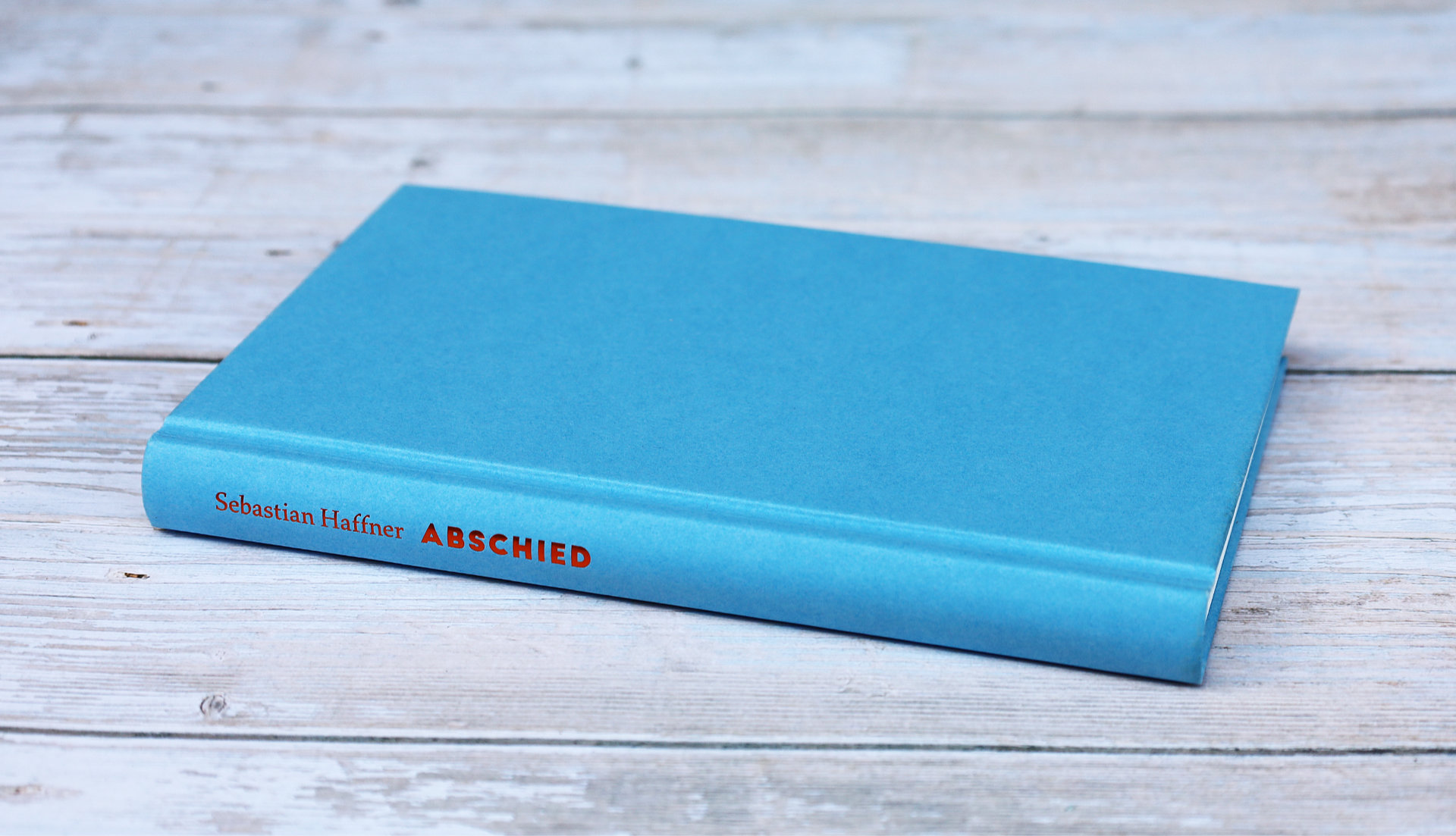
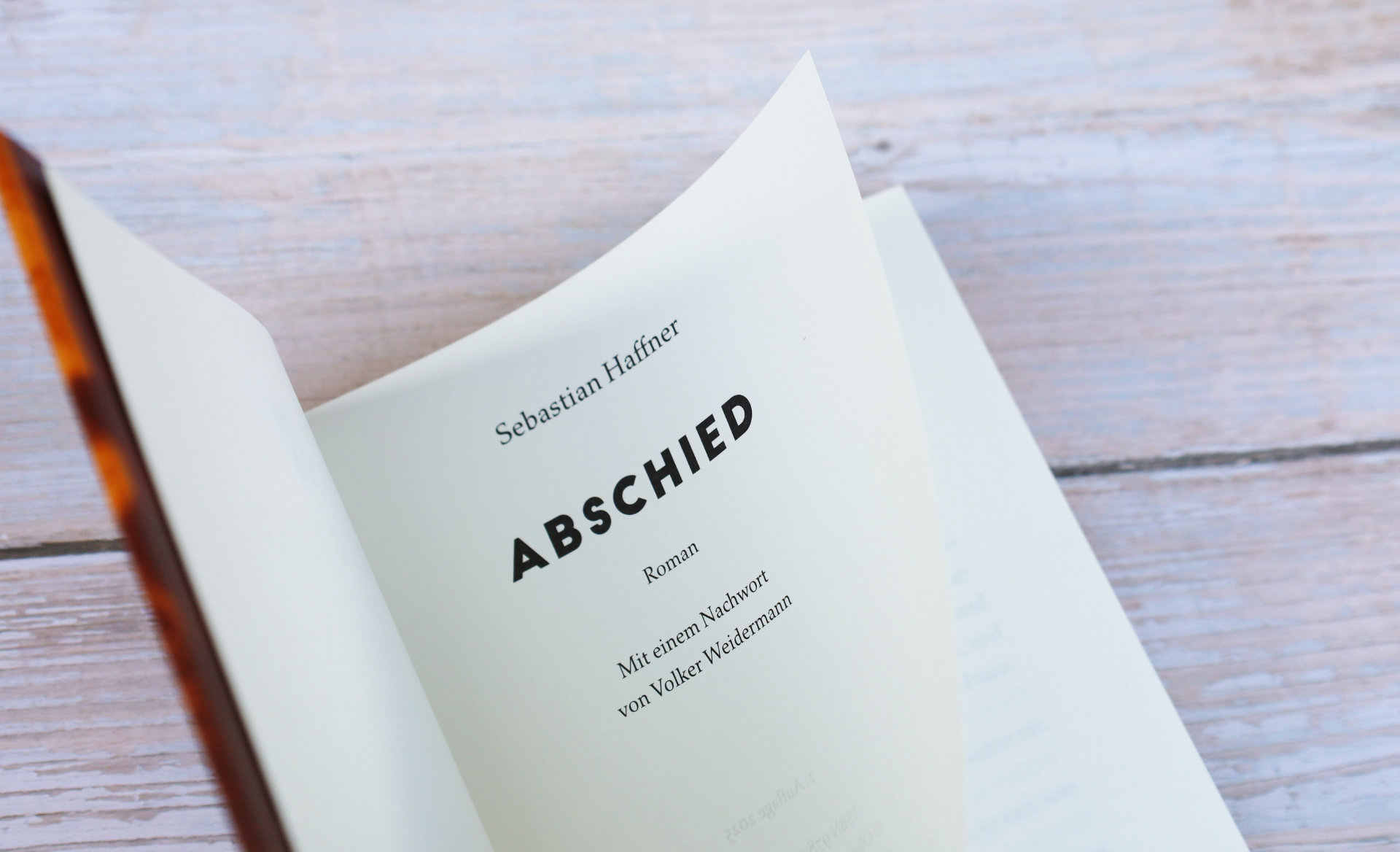
As for the production, the book is nicely designed but comes without extras: no ribbon marker, just a paper-over-board cover and a simple perfect binding. Slim and compact—great for a beach chair. I do like the cover image and overall look.
Conclusion: Abschied didn’t convince me. Not every rediscovered old novel is automatically a classic. The Paris of the early thirties is nicely portrayed, and you can easily picture students studying at leisure in a very open society. But there’s barely a story here, and I repeatedly found the scenes rather drawn out. The characters are not very sympathetic and not finely drawn. You feel time—and Raimund’s precious time with Teddy—slipping away. As the book goes on, that subject is overused. From my perspective, not a recommendation.
Book Information: Abschied • Sebastian Haffner • Hanser Verlag • 192 pages • ISBN 9783446284821
Danke für die Einschätzung! Das klingt tatsächlich nicht so, als ob man das gelesen haben müsste. Schade, ich hatte mir mehr erhofft.
Ich habe selten ein Buch gelesen,das mich so gelangweilt hatte,wie jenes von Haffner.
Es ist von der Sprache her vollkommen simpel geschrieben,ohne jegliche,grosse Erwartungen,was wohl auf den nächsten Seiten passieren wird.