
Novellas • Stefan Zweig
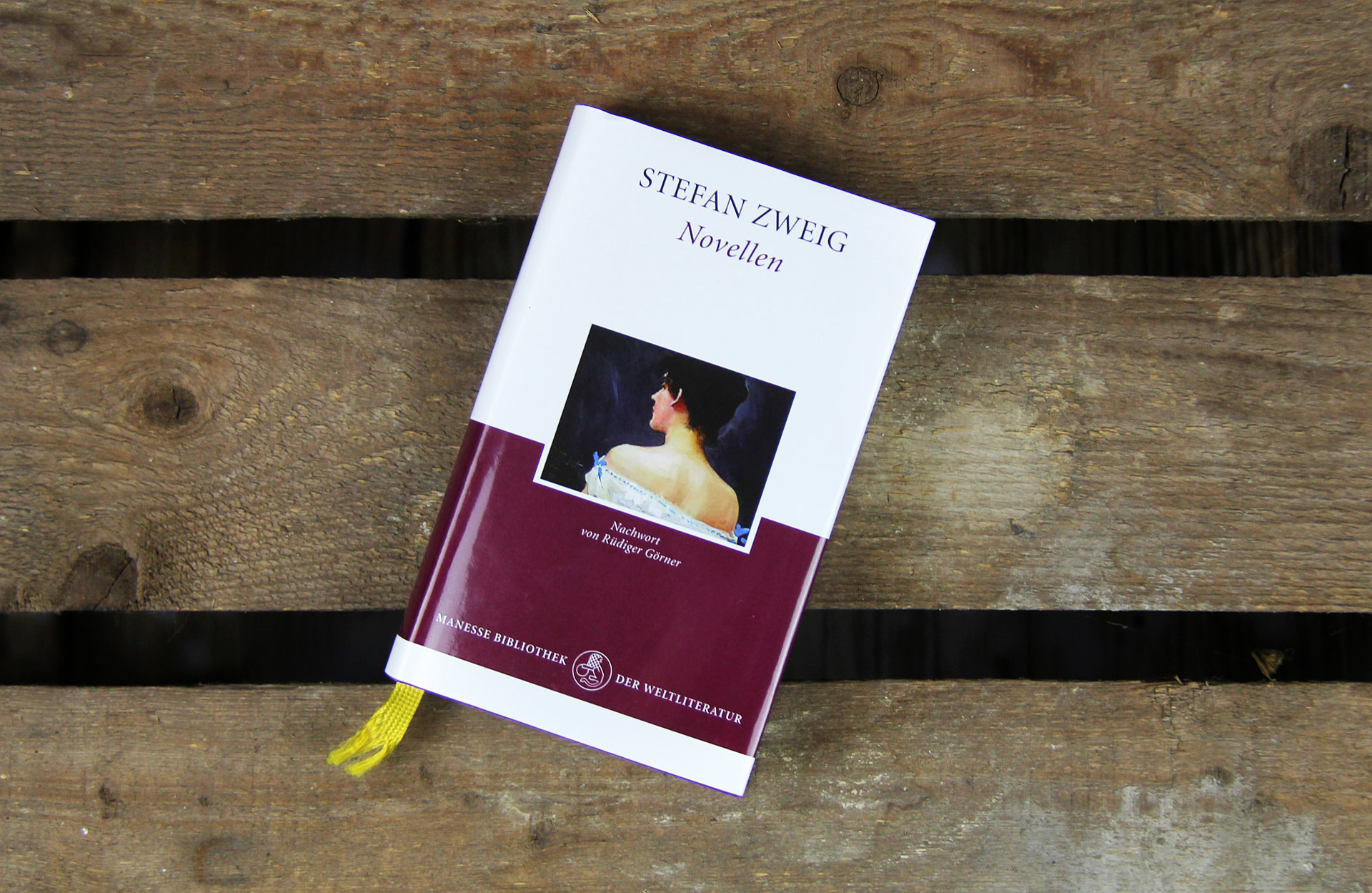
Stefan Zweig has been recommended to me repeatedly over the past few years, and of course, I’ve often come across his books. There are some beautiful collector’s editions and also his biography of Balzac, which had already made it onto my shortlist. In the end, however, I decided on this collection of novellas, because I simply love these Manesse Verlag novella editions — they are excellent for getting to know an author a bit better.
Stefan Zweig was an Austrian author, born in Vienna in 1881, who lived until 1942 and seems to have traveled quite a bit throughout his life. Being of Jewish descent, he had to flee into exile after the Nazis seized power. But even before that, he was often on the move. In the literary world, he was very active — publishing numerous novellas, writing many biographies, working as a journalist, and maintaining a wide network of connections. He is still widely read today, and his books continue to be reissued regularly.
This little Manesse volume contains a total of seven novellas, including his famous The Royal Game (Schachnovelle). Chronologically, the novellas cover quite a wide range, starting with his early works (Spring in the Prater from 1900) and extending to his The Royal Game, which was published in 1942, shortly before his death.
I decided to let myself be surprised by his style and subject matter, reading neither the blurb nor any information about Zweig himself beforehand. I quickly immersed myself in his writing and was captivated by his clear, straightforward, and uncluttered language, which nonetheless remains highly poetic and flows smoothly. While he renders thoughts and emotions tangible and distinct, his vivid and poetic phrasing evokes a deeply emotional picture of moments, landscapes, people, and situations. I really enjoyed that. His novellas also pick up pace quite quickly, and the people within them are almost always caught in an emotional storm. This creates tension, and together with his precise descriptions and the clear imagery that emerges, the reading experience is both entertaining and gripping. The emotions and situations his characters face intensify steadily, with their inner turmoil mounting throughout the course of a story.
Particularly noteworthy is the psychological insight Zweig grants into his protagonists, which at times almost recalls the Naturalists. However, he quickly shifts into a more narrative mode, and together with some interjections and abstract interpretations worthy of Balzac, he offers a well-balanced blend that resists clear classification — which is actually a good thing, because the mix works beautifully. Occasionally, though, some of his stories did strike me as a little contrived.
The opening story was Burning Secret, which centers on a twelve-year-old boy spending a convalescent holiday with his mother at a small hotel, where a liaison begins to develop between a baron and his mother. The novella is told from the boy’s perspective, which is a wonderfully original choice and naturally leads to confusion. Beautifully written and highly entertaining.
Spring in the Prater tells the story of a famous, wealthy, and desired courtesan who spends one day incognito at the Prater, reliving her youth. The novella is simply magnificent in its descriptions and evocative imagery. Though relatively short, it stirred in me a youthful enchantment that truly invites dreaming. It’s grand storytelling, even though not much actually happens. Here, Zweig once again displays the full measure of his poetic talent:
And a sweet, heavy fragrance rose from the earth and flowed in soft waves, clinging to everyone so closely and firmly that one no longer had any clear sense of delight, only a vague feeling of something sweet, lovely, soporific […] And the sun spread its richest gold over its wonderful, imperishable, incomparable creation — the Spring in the Prater. (p. 133)
Resistance to Reality is a love story that takes an unexpected turn. Psychologically well executed, though the plot feels a bit constructed. Still, I found the novella very enjoyable — love stories always manage to draw me in.
A rather unusual novella is The Woman and the Landscape. Zweig describes a holiday resort where the narrator, after a long heatwave, longs for the liberating and cooling thunderstorm to come. This story, too, lives primarily through its landscapes and atmospheric imagery, offering little in terms of plot. Nevertheless, it’s fascinating to read, and with its mystical elements, it certainly stands out as something special.
A highly emotional and gripping story is Twenty-Four Hours in the Life of a Woman, about a gambling addict and a woman who experiences the adventure of her life. The theme of the gambler recurs throughout Zweig’s novellas — here with great intensity and in a particularly well-composed story. Psychologically and dramatically, it’s one of the strongest pieces in the book.
In Unexpected Encounter with a Craft, Zweig offers an unusual look at a poor, pitiable fellow human being. Pleasant to read, though not earth-shattering — and also not particularly long.
The book concludes with Zweig’s most famous story, The Royal Game. I already knew the story from a film adaptation I saw ages ago. Naturally, the novella is gripping, has a brisk pace, and here too, the tension builds in tandem with the protagonist’s psychological breakdown. Very much worth reading, though compared to his other novellas, I didn’t find it particularly outstanding.
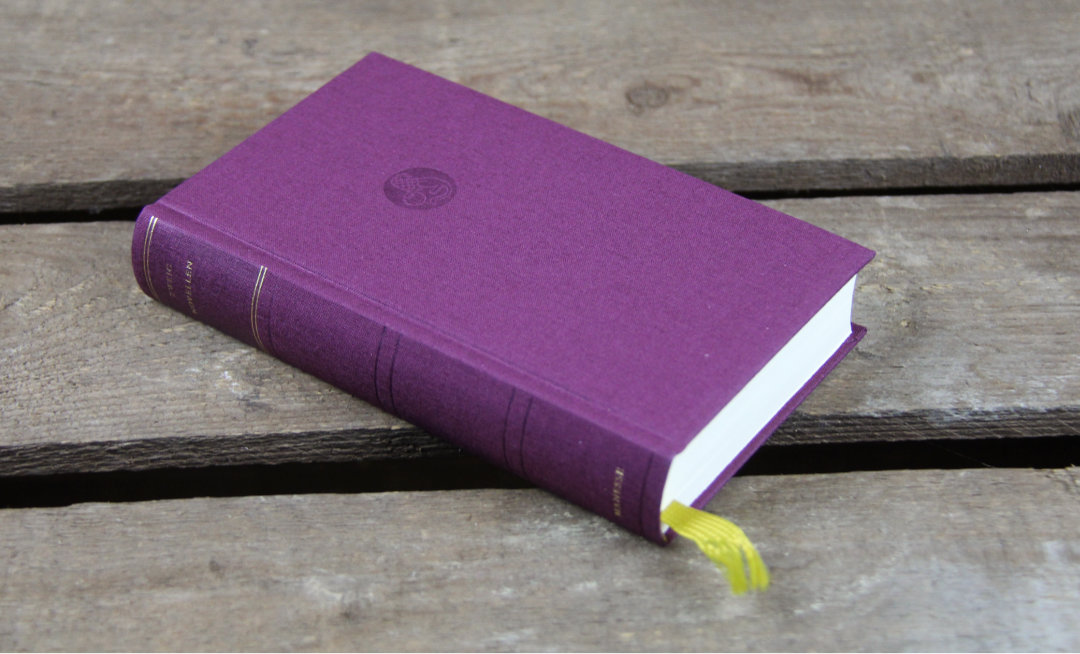
As usual, I can only recommend this Manesse edition. Like all the classics in the series, it is excellently produced, well-curated, and comes with a few helpful notes. The afterword, however, struck me as uninformative, intellectually pretentious, and largely disposable — easily skipped without missing anything. Overall, this collection once again confirms that Manesse’s novella compilations are consistently excellent. You can always buy them with confidence.
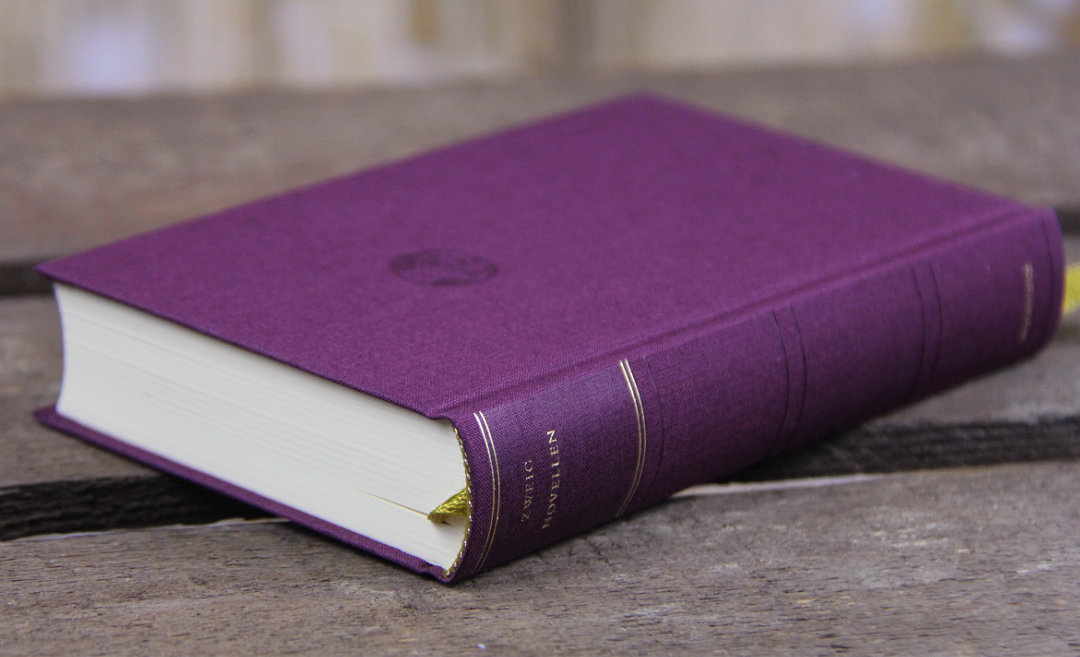
Conclusion: After reading these novellas, it’s clear to me that I’ll definitely be reading more by Stefan Zweig. His clear, straightforward, and precise way of portraying his characters’ inner lives — combined with wonderful poetic prose, emotion, and atmosphere — makes his novellas captivating and enjoyable reads. This collection is an excellent one that I can wholeheartedly recommend to everyone. A wonderful book, in the usual Manesse quality.
Book information: Novellas • Stefan Zweig • Manesse Verlag • 576 pages • ISBN 9783717521785
Stefan Zweig kann ich auch immer und immer wieder sehr empfehlen. Dir als Liebhaber des schönen Buchs lege ich besonders den kleinen Novellenband aus dem Verlag Tolipan&Milani ans Herz, der toll illustriert die beiden Novellen “Die unsichtbare Sammlung” und “Buchmendel” vereint (https://buch-haltung.com/stefan-zweig-buchmendel-die-unsichtbare-sammlung/).
Aber auch die beiden Auftaktbände der Salzburger Ausgabe von Zweigs Erzählungen mit “Sternstunden der Menschheit” und “Vergessene Träume” sind superb.
Beste Grüße, Marius
Ja, genau diesen schönen Band wollte ich auch gerade empfehlen, lieber Tobi. Ich hatte den mal bei mir besprochen (https://phileablog.wordpress.com/2016/11/05/zwei-novellen-von-stefan-zweig/), der wäre ganz bestimmt was für dich! Freut mich sehr, dass dir Zweig so gut gefällt.
Liebe Grüße
Petra
Liebe Petra,
an die Rezension von Dir kann ich mich noch erinnern. Das Buch kommt auch auf meine Wunschliste, zusammen mit der von Jörg Hülsmann illustrierten Ausgabe (hast du die auch?). Ich glaube mich daran zu erinnern, dass du mir schon einmal Zweig empfohlen hast. Was muss ich denn noch unbedingt von Zweig lesen?
Liebe Grüße und vielen Dank für Deinen Tipp!
Tobi
Lieber Tobi,
meine anderen Zweig-Ausgaben sind deutlich bescheidener in der Aufmachung, die von Hülsmann illustrierte Ausgabe habe ich leider nicht. Ich habe stattdessen zwei Taschenbücher mit Erzählungen aus der Fischer Klassik-Reihe und auf dem Reader hab ich die gesammelten Werke. Außerdem habe ich, aber noch ungelesen, Die Welt von gestern. Das wurde mir von allen möglichen Seiten schon empfohlen und so empfehle ich es jetzt einfach auch ; )
Mir gefiel besonders Die Reise in die Vergangenheit, gibt es auch verfilmt.
Liebe Grüße
Petra
Lieber Marius,
auf die Ausgabe von “Buchmendel & Die unsichtbare Sammlung” bin ich damals gestoßen, als sie erschienen ist. Die sieht wirklich sehr interessant aus. Die Salzburger Ausgabe habe ich bisher nicht genauer angesehen, sie macht aber einen echt guten Eindruck und scheint sehr schmuck zu sein. Hast du auch die von Jörg Hülsmann illustrierte Ausgabe von “Sternstunden der Menschheit”? Die habe ich auch ins Auge gefasst, das Buch scheint ja auch sehr schickt zu sein.
Herzlichen Dank für die Tipps!
Liebe Grüße
Tobi
Servus Tobi,
diese illustrierte Ausgabe habe ich tatsächlich nicht, ich hielt sie noch nicht einmal in der Hand bisher. Insofern kann ich da kein qualifiziertes Urteil abgeben. Aber jegliche Pläne zur Beschäftigung mit den Werken Stefan Zweigs unterstütze ich ausdrücklich ;-)
Beste Grüße, Marius
Vielen Dank für den Einblick :) Stefan Zweig ist ein Autor, der in meiner Schulzeit komplett ausgelassen und auf den ich auch auf anderen Wegen nie aufmerksam wurde. Dankbarerweise ist er mir in der Blogosphäre schon ein paar Mal begegnet und ich habe mir vorgenommen seine Schachnovelle bald zu lese – das Buch ist schon da und in Griffweite. Dein Beitrag war dafür eine wunderbare Heranführung an Stefan Zweig.
Liebe Booleana,
Zweig kann man schon guten Gewissens empfehlen. Also ich kann gut verstehen, dass seine Bücher noch immer sehr beliebt sind. Hast du schon zu seiner Schachnovelle gegriffen? Wie hat sie Dir gefallen? Wobei ich immernoch an seinen Praterfrühling denken muss, dass ist eigentlich die perfekte Novelle für finstere Wintertage.
Liebe Grüße
Tobi
Oh was für ein schöner Beitrag! Ich bin zugegebenermaßen siet ein paar Jahren ein brennender Zweig-Fan und freue mich immer, wenn seine Literatur von anderen entdeckt und gemocht wird. Du hast wirklich eine schöne Ausgabe gefunden, klingt so, als würde sie einen guten Überblick über Zweigs Art werfen – von seinen Novellen habe ich bisher nur die Schachnovelle gelesen, aber die hat mir außerordentlich gut gefallen. Wie auch du bin ich ganz begeistert von der Art, wie er einen in den Bann ziehen kann. Falls du irgendwann noch mehr von Zweig lesen magst, möchte ich dir wärmstens “Ungeduld des Herzens” empfehlen, sein einziger Roman, der für mich einen Höhepunkt der psychologisierenden Erzählweise bildet :)
Ich hab übrigens gerade erst deinen Blog entdeckt aber ich bin jetzt schon aus dem Häuschen, weil er mir wirklich richtig gut gefällt! Ich werde mich hier definitiv noch länger umschauen.
Liebe Grüße
Katha
Lieber Tobi!
Als österreichische Buch-Bloggerin freut es mich natürlich ganz besonders, dass du dich dafür entschieden hast Stefan Zweig eine Chance zu geben – vor allem wenn man bedenkt, dass (ganz abgesehen von seiner Herkunft) es sich dabei um einen von unseren Lieblingsautoren handelt.
Im Gegensatz zu dir halte ich die “Schachnovelle” für hervorragend und zähle dieses Werk zu meinen Lieblingsbüchern – interessant, dass dich gerade dieser kontroverse Charakter nicht gänzlich überzeugen konnte.
Was das “brennende Geheimnis” angeht, sind wir jedoch einer Meinung – eine ausgesprochen gut gelungene Novelle, die mit schöner Sprache und Spannung besticht.
Danke für deine interessante Rezension zu Stefan Zweig´s Novellen.
Liebe Grüße,
Simone von oneday2bookblog
Das Buch interessiert mich. Von Stefen Zweig habe ich noch nichts gelesen. Es wird wohl das erste Buch von ihm sein, welches ich lese. Danke Für den guten Tipp und schöne Grüsse aus Osnabrück