
Typee • Herman Melville
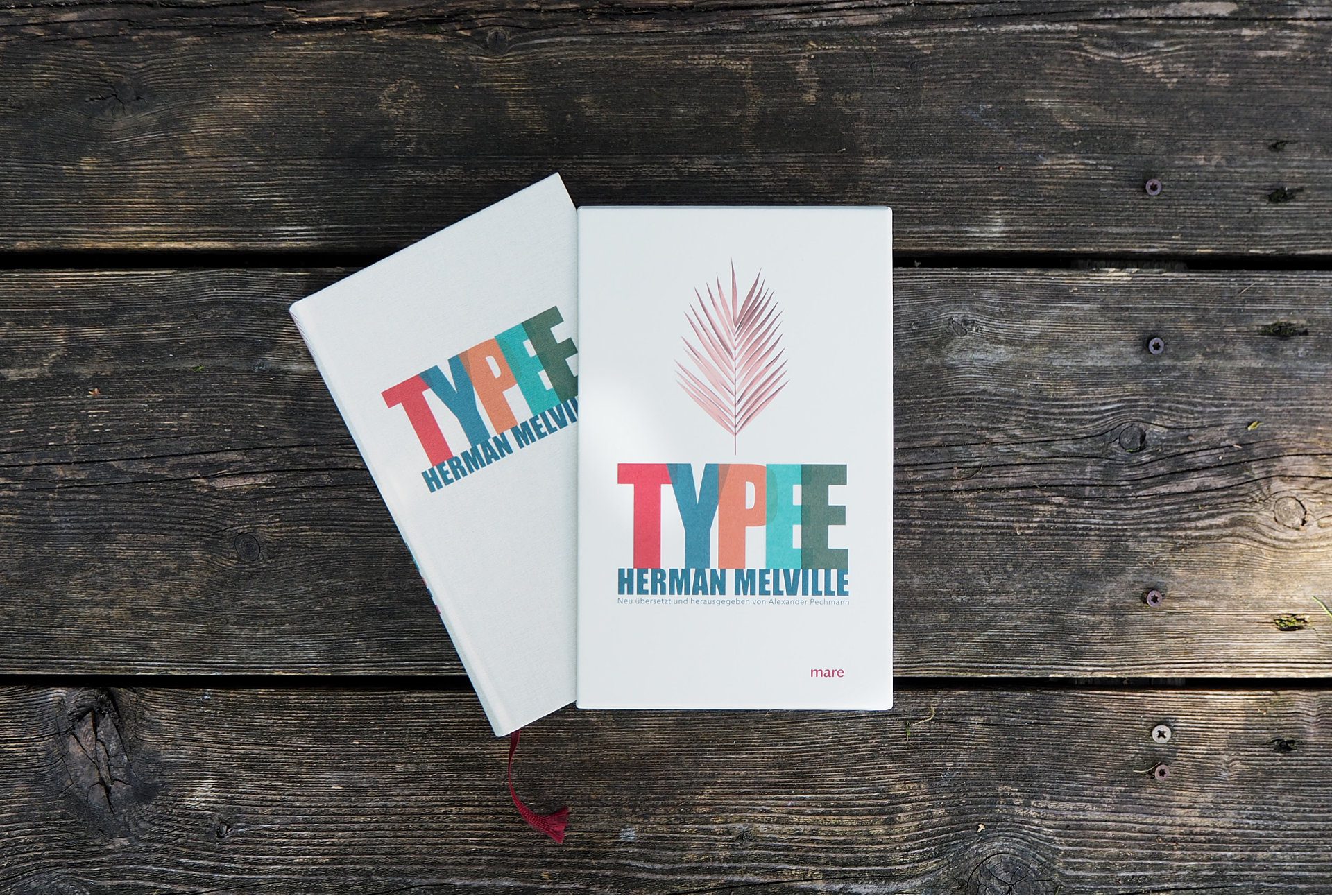
When I came across Typee in the Mare Classics series, I was initially skeptical. About three years ago, I read Herman Melville’s most famous novel, Moby-Dick; or, The Whale, and was only moderately impressed (you can find my review of that book here). However, both the content and the design looked promising. After reading it, I was very pleasantly surprised and once again reminded that one should never judge an author solely by their most famous work.
As with Moby-Dick, Melville’s own adventures at sea form the basis of this novel. The sailor Tom, who suffers under a despotic captain on a whaling ship, deserts on the island of Nuku Hiva, part of the Marquesas, and spends several months among a native tribe, the Typees. Especially at the beginning, the novel is quite adventurous, and the arduous journey into the paradisiacal valley is described with great suspense. The focus then shifts to the life of the Typees and how Tom spends his time among them. Similar to Moby-Dick, Melville repeatedly interrupts the main narrative to describe what life among the Typees is like, what cultural peculiarities Tom observes, and what kind of activity takes place in this pristine, peaceful, and beautiful valley on a South Sea island. Yet, conflicts with neighboring tribes occur again and again, and naturally, Tom wishes to leave the island as soon as possible, which proves to be more difficult than expected.
The novel is written in the first person and reads like a travelogue that the sailor himself recounts. The opening, with the escape from the ship, the first impressions of the island, and the descent into the valley of the supposedly dangerous cannibals, I found very entertaining—it strongly reminded me of an adventure story by, for example, Stevenson. As the story progresses, Tom recedes somewhat into the background and instead reports his observations and the cultural characteristics of the Typees: how they spend their days, what they eat, and how their society functions. This too is fascinating to read, especially since the narrator repeatedly compares their customs to European and North American cultures, showing that this original way of life was actually quite harmonious. He also levels strong criticism at colonization and the missionary efforts of European Christians.
I could vividly imagine this paradisiacal South Sea island, and while reading I sometimes felt as if I were on vacation there myself. I love islands and that kind of setting—it immediately made me long for distant shores. It’s very picturesque, the way Tom sits in the valley, enjoys delicious food, admires the beautiful natives, and spends much of his time sleeping and relaxing. That may be somewhat idealized, but I can easily believe Melville when he suggests that this way of life was indeed very healthy.
The basis for the novel was an episode from Melville’s own life. He too deserted on Nuku Hiva and took refuge with the Typee tribe, who hosted him for some time. So the question is: what is fiction and what is real? Melville reportedly extended his actual stay from four weeks to four months. The descriptions of cannibalism are said to be fictional. However, when reading how the Typees lived, what they ate, how they made oil or medicine, how they prepared breadfruit, or what the role of women was in the tribe, I believe Melville stayed very close to reality, using only a small measure of artistic license.
Typee was Melville’s first novel, published in 1846, and it was immediately successful. Several editions followed, with certain scenes softened—particularly those critical of missionary activity by the church. Melville does not mince words here, openly condemning the crimes committed by the church and European governments, especially the French, who eventually annexed the Marquesas.
Of course, after finishing the book, I became curious and searched for this lovely island online. On YouTube, if you search for “Nuku Hiva,” you’ll find an interesting documentary by 3sat, although it unfortunately suffers from occasional audio dropouts. Still, it’s fascinating to see what the island actually looks like. It truly is very scenic, and you can even see the breadfruit and a local cook preparing it in the traditional way. You can also find the Typee Valley, which is actually called Taipivai, quite easily on Google Maps. Naturally, Wikipedia and Google Images also offer plenty of pictures of the island and the valley.
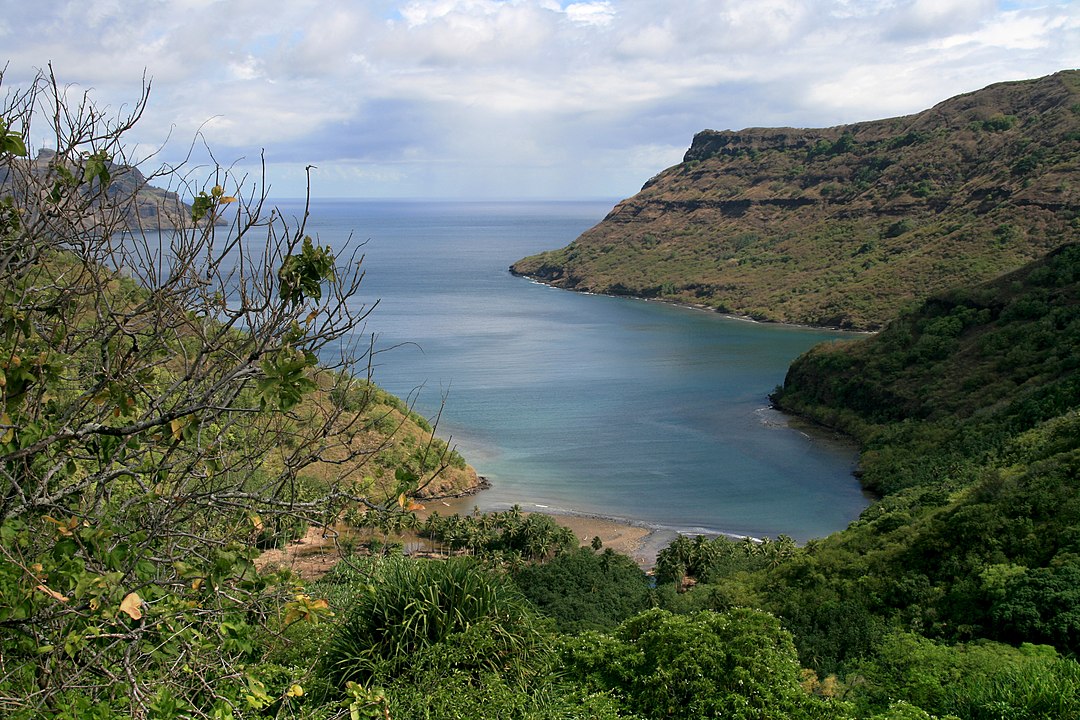

Back then, the Marquesas apparently had more than 60,000 inhabitants. Today, there are only about 9,000, and little remains of the original native culture. Most inhabitants are now Christian and reportedly quite conservative, but according to the documentary, they seem relaxed—as islanders often are. I can easily imagine spending a vacation there: a small, untouristic island with lots of nature and sea—just my thing. I love it when a book’s exotic setting inspires further exploration and real-world curiosity. It’s a wonderful complement to an already beautiful story.
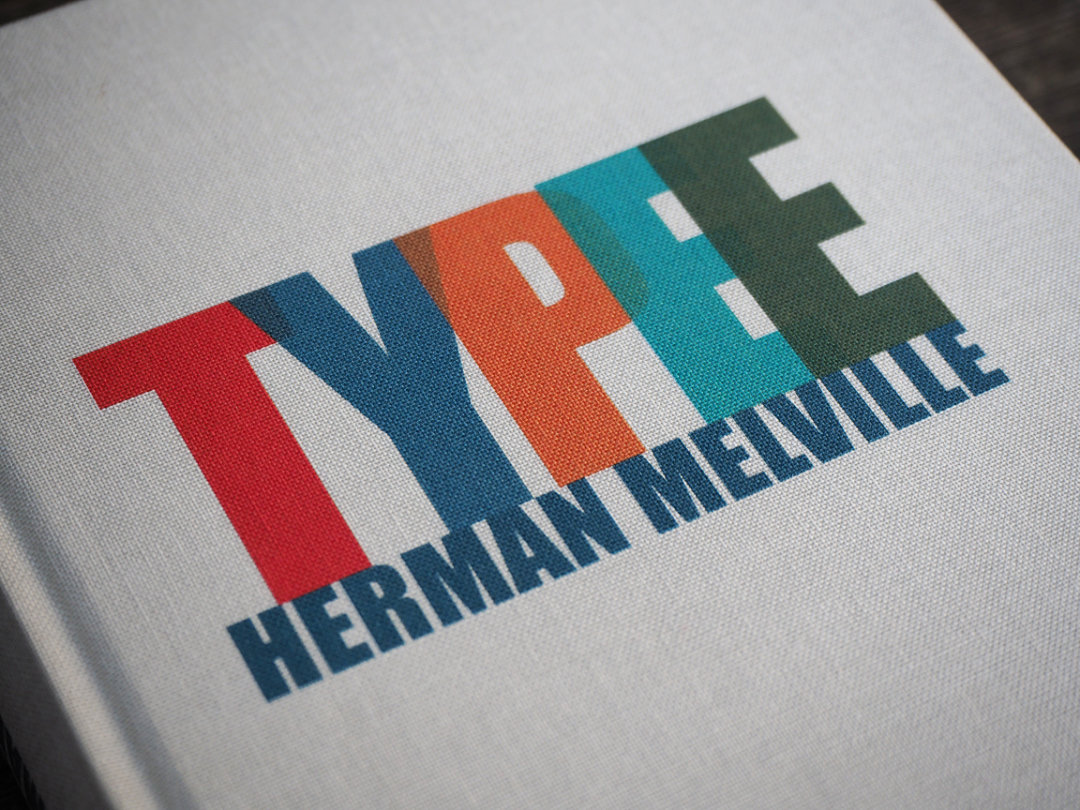
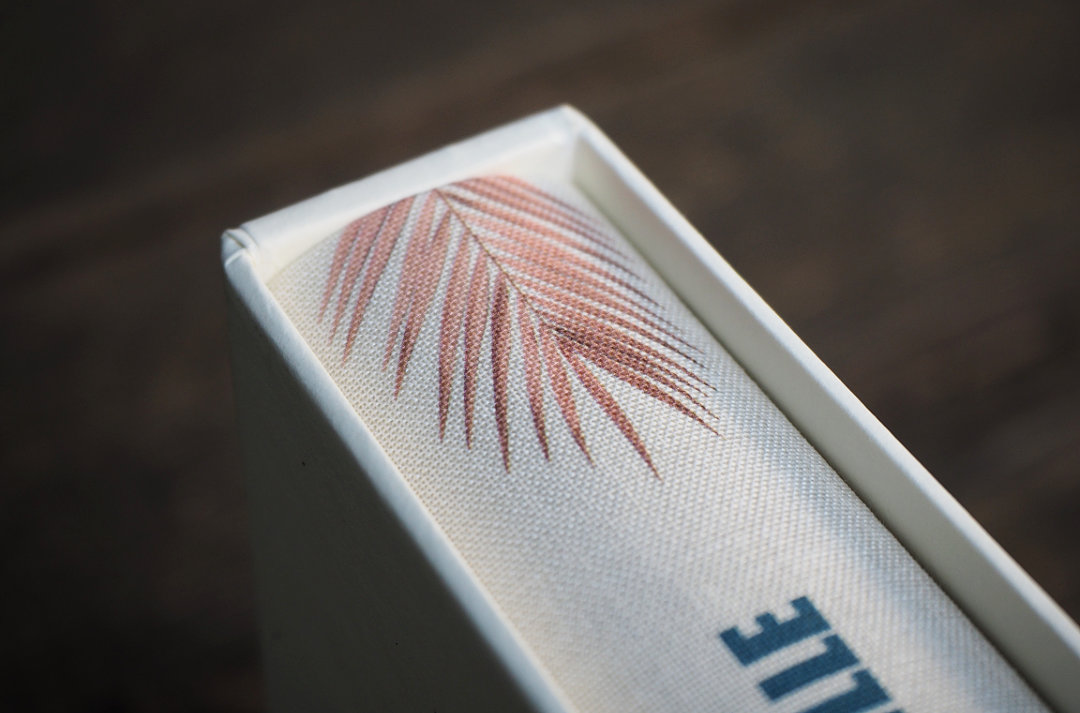
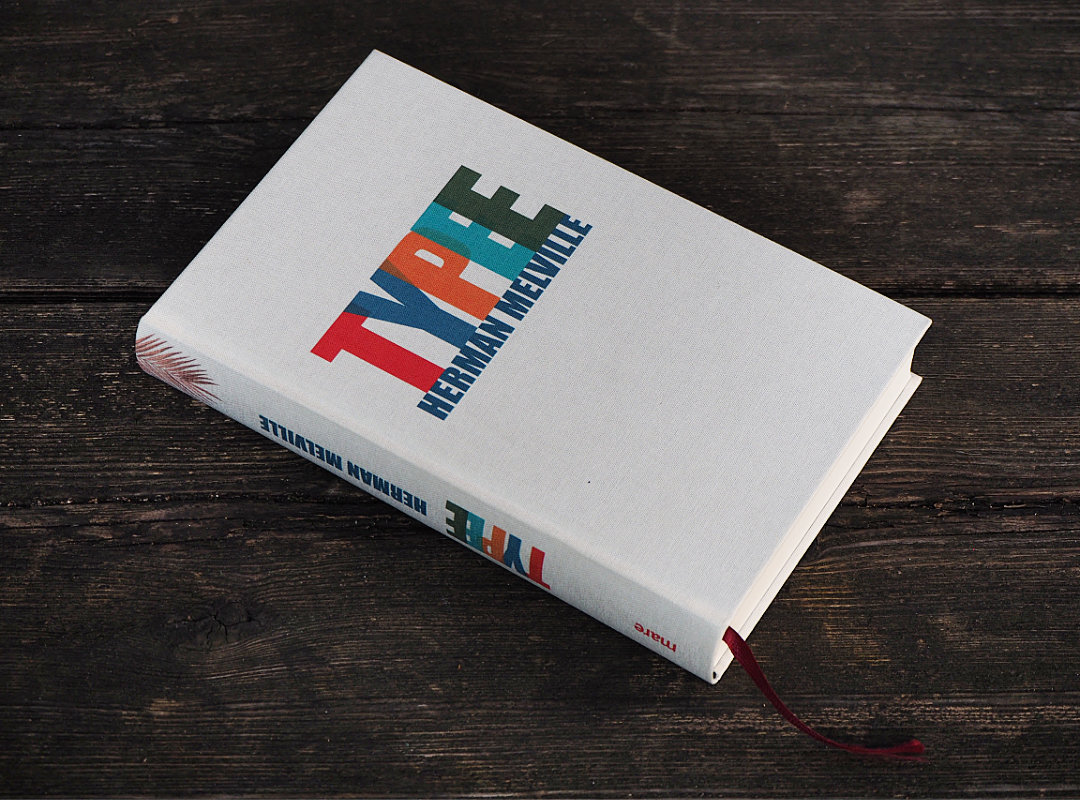
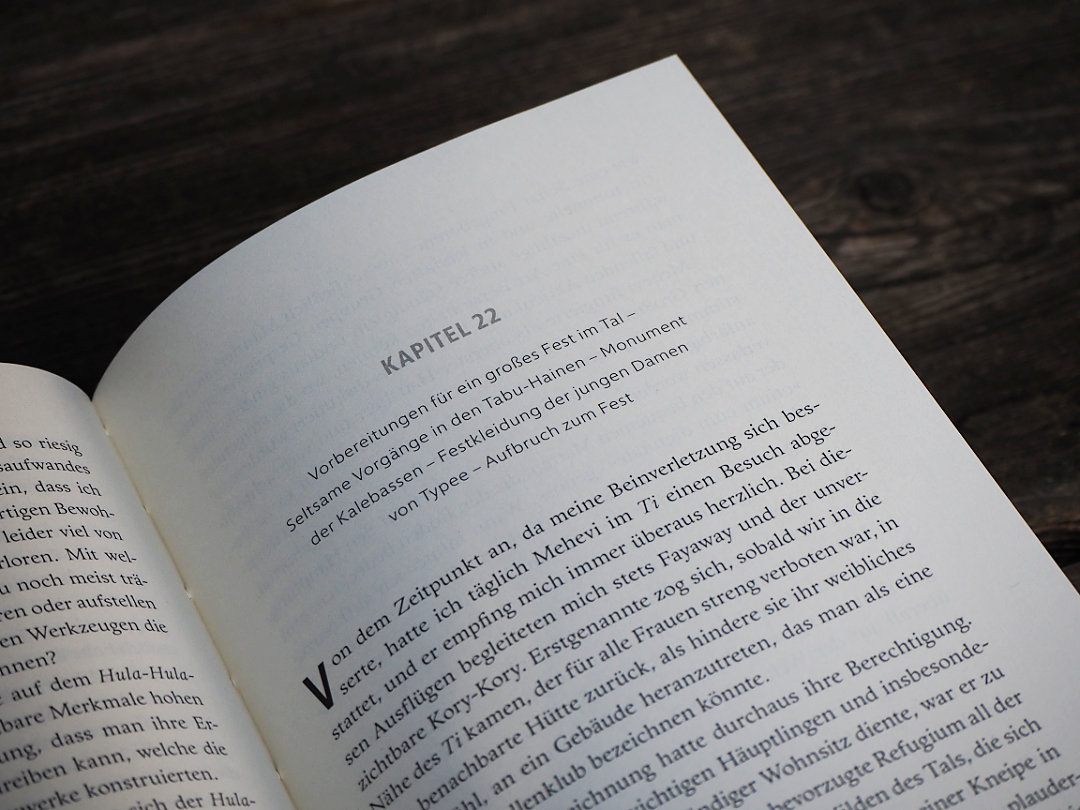
As for the Mare edition, once again you get your money’s worth. It’s been some time since my last Mare Classic, and I’ve read several other beautifully designed editions since—such as those from Büchergilde, which also prides itself on fine bookmaking. But compared to the Mare Classics, most of them fall short. True craftsmanship like this is hard to find nowadays: sewn binding has become rare and is no longer standard even at Büchergilde. The smooth paper, the beautiful cloth cover, the uniquely designed bindings—all together with the high-quality stitching—justify every cent of what these wonderful Mare Classics cost. For me, holding such a splendid book in my hands is balm for the bibliophile soul. It’s a pity that so few publishers make books as beautiful as these.

At the beginning of the book, there’s also a map of the Marquesas and the surrounding island groups. The book includes the continuation of Toby’s story, which was originally published separately and later became part of Typee in a revised version. The afterword by translator Alexander Pechmann is, once again, very informative and well written.
Conclusion: Melville’s first novel, Typee, is an adventurous and captivating story told from the perspective of the deserting sailor Tom, describing the beautiful landscape of the South Sea island Nuku Hiva and its inhabitants, the Typees. The relaxed, simple, and nature-connected life of these feared “cannibals” offers an intriguing glimpse into a very original form of coexistence that feels especially appealing and picturesque to a modern reader. With the exquisite design characteristic of all Mare Classics, this is once again a wonderful read that I can highly recommend.
Book information: Typee • Herman Melville • mare Verlag • 448 pages • ISBN 9783866486140
Ein schöner Beitrag! Wenn du Bücher mit vielen zusätzlichen Informationen magst, erlaube ich mir, dich auf “Wo die Freiheit wächst” aufmerksam zu machen. :-) Hinten im Buch gibt es einiges, ich schreibe einen ganzen Blog dazu, aber in erster Linie ist es ein sehr unter die Haut gehender (Brief)Roman. Ich kann dir gerne ein Exemplar schicken lassen. Beste Grüße Frank
Die Leseeindrücke hast du so schön beschrieben! Kann dir da nur zustimmen, dass man sich da richtig in das Inselleben einfühlen kann.
Bin ebenfalls ganz bei dir, was die Qualität der Bücher angeht. War jedes Mal wieder angetan von der Gestaltung und allem, wenn ich das Buch in die Hand genommen habe.
Darf ich deine Rezension vielleicht in meinem Beitrag verlinken? Finde du greifst nochmal ganz andere, wichtige Punkte auf. :)
Liebe Grüße
Karin
Liebe Karin,
hui Du hast das Buch ja auch gleich gelesen. Und auch gleich das John Marr, dass hab ich schon von der großen Klassiker Reihe, das hab ich mir nicht nochmal geholt. Tja Karin, Du hast einfach einen guten Geschmack, das muss ich einfach sagen!! Gerne darfst Du natürlich auf meinen Beitrag verlinken.
Liebe Grüße
Tobi
Lieber Tobi,
danke Dir! Und: Kann ich ich nur zurückgeben. :)
Hab erst später gesehen, dass es “John Marr” schon als große Ausgabe gab. Wobei ich mich gefragt habe, ob da noch etwas Zusätzliches enthalten ist? In der kleinen Variante scheint es schon recht kurz zu sein…
Liebe Grüße
Karin
Hallo,
auf diese hübsche Ausgabe bin ich erst vor ein paar Tagen aufmerksam geworden, als ich an einem Artikel zu Melvilles Geburtstag schrieb. Die lacht mich auch an…
Bisher habe ich tatsächlich auch nur “Moby Dick” gelesen – als Kind in einer kindgerechten Ausgabe, einige Jahre später eine ungekürzte englische und schließlich die ursprünglich von Thomas Mann herausgegebene gekürzte deutsche. Ich vermute, dem kannst du schon entnehmen, dass mich das Buch deutlich mehr begeistert hat als dich! ;-)
Eigentlich wollte ich schon ewig einige der anderen Werke Melvilles lesen (und mir bei der Gelegenheit auch mal eine *ungekürzte* deutsche Ausgabe von “Moby Dick” anschaffen).
Es klingt so, als beruhe “Typee” wirklich sehr viel deutlicher auf Melvilles tatsächlichen Erlebnissen als “Moby Dick”. Angeblich soll er bei den Typee ja behandelt worden sein wie ein Gast – nur halt einer, der nicht gehen darf… Und Melvilles Religionskritik hat seiner Schriftstellerkarriere sicher nicht gut getan. In England wurde später ja auch “Moby Dick” deswegen zensiert.
LG,
Mikka
Hallo Tobi,
ich kenne bisher noch gar kein Werk von Melville. Jetzt überleg ich mir, ob ich nicht mit dem bekannten anfange, sondern mit dem von dir vorgestellten. Typee klingt wirklich gut.
LG
Daniela