
Erwachen • Gaito Gasdanow
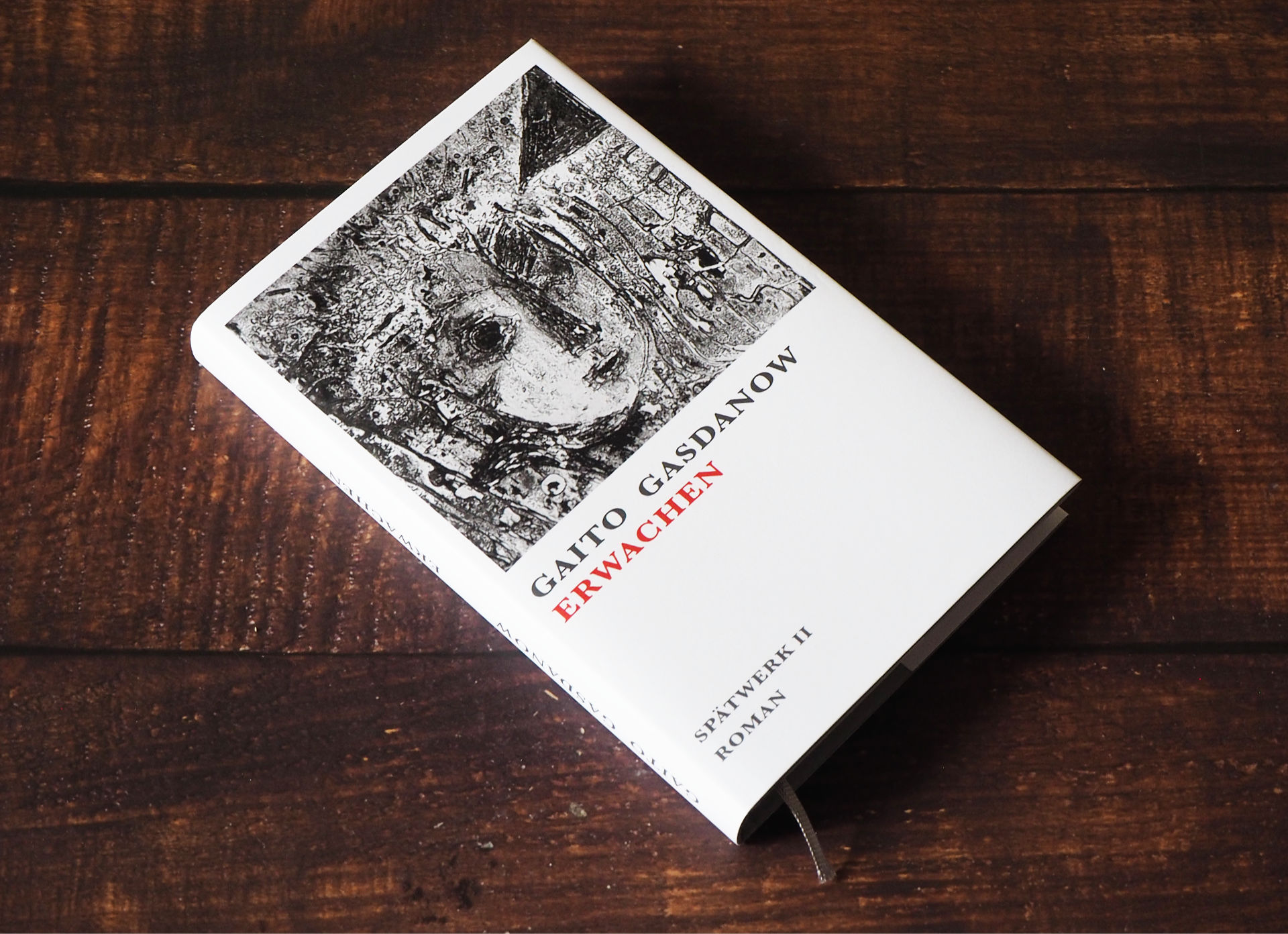
Gaito Gazdanov is one of those authors who cast a spell on me—his books always reach me. I’ve already presented some of his works on lesestunden.de here, and I don’t want to miss the chance to discuss this first translation of his novel Erwachen as well. There’s also something special about this book: it isn’t exactly easy to find and comes with a rather unconventional backstory. I was delighted when it appeared and read it with great pleasure. If you’d like to know what’s behind this book and are looking for a very special reading tip, you should definitely read on.
The novel is about Pierre, an ordinary bookkeeper from Paris. He spends his vacation with his friend François in the south of France, on a very simple rural property. There he encounters a mysterious woman who lives there in isolation, far from any civilization, in a state of mental confusion. Pierre makes a selfless decision that turns his life upside down.
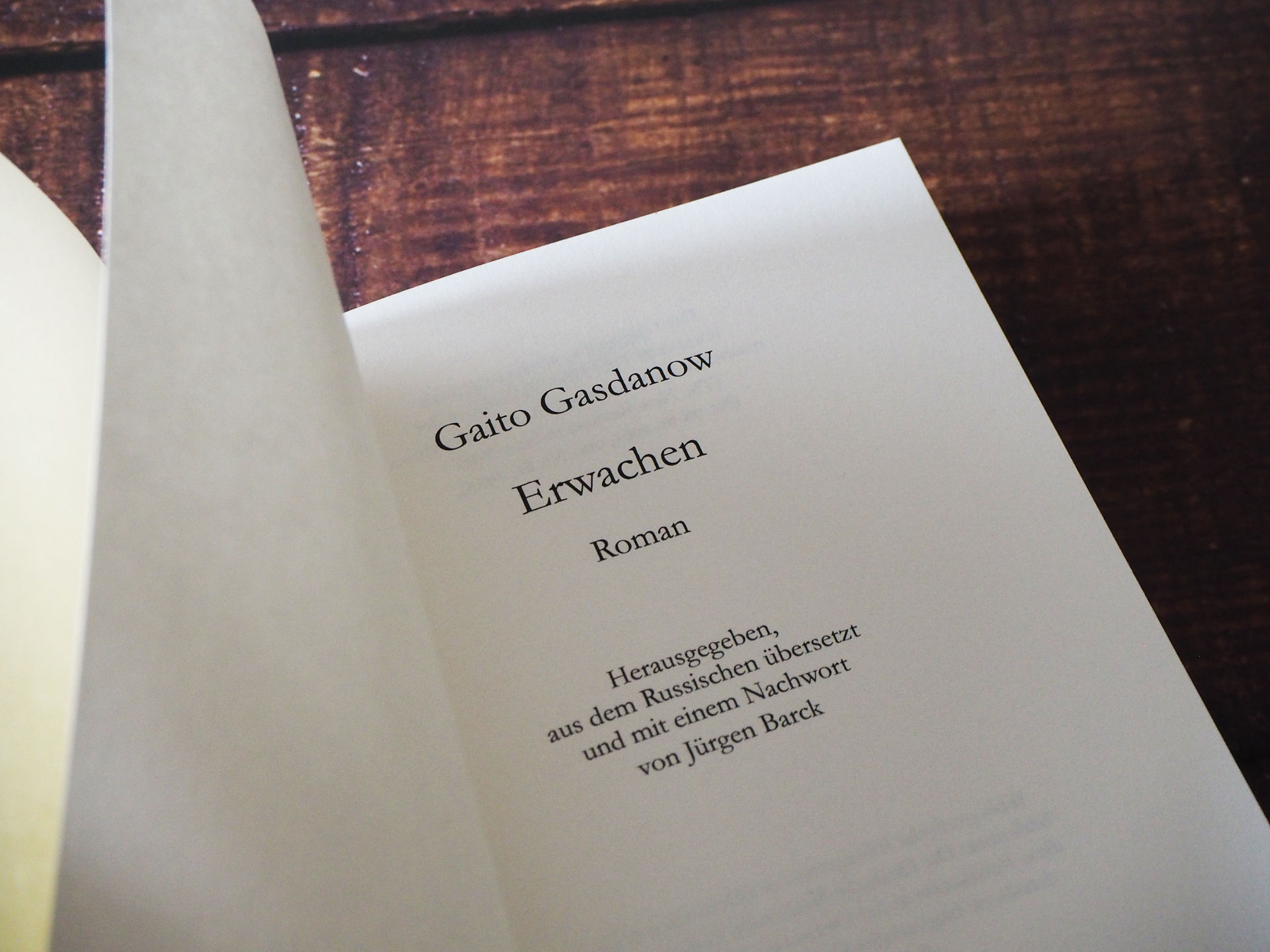
The plot itself is certainly engaging, but in retrospect never the main point with Gazdanov. What fascinates me about his books is the calm, rhythmic musicality of his prose—the euphony and the depth that lies in his sentences. It’s always the characters and their inner worlds he brings to life—authentic, utterly real. In Erwachen, the protagonist is a rather ordinary, average man. Yet the way Gazdanov depicts Pierre—his past, his family home, his entire development—is simply compelling to read. With this book, as with all his others, I felt his sentences and thoughts are densely packed, and that I can only grasp part of them. And, more simply, I wanted to know how it would all turn out—where it would lead and what would become of the characters.
At the beginning, Gazdanov interweaves Pierre’s journey south with flashbacks to his earlier life. He does this so deftly that it feels almost cinematic the way current scenes merge with thoughts and memories. As the book progresses, he lets us share in his characters’ reflections—and it’s simply superb. He philosophizes, asks about the meaning in his protagonists’ lives, has them weigh and judge the situation, society, the people around them, and human affairs in general. All of this is delivered in a harmoniously flowing voice that quickly draws the reader in. It’s this reflective gaze, this quiet weighing of circumstances, and the constant view of the bigger picture that exerts such a pull—and that’s exactly what I love about Gazdanov’s style, to which he remains true here.
Erwachen, like Die Pilger, belongs to his late work (it appeared in 1965), and once again you can sense the marked difference from his early novels. Those earlier books dwell much more on the feeling of foreignness and social displacement he must have felt keenly in his first years of exile in Paris. By the time Gazdanov wrote Erwachen, he had surely found his place; and yet his figures still carry a sense of abandonment and loneliness and seem socially isolated. Unlike the early novels, a strong focus here is the theme of being needed, which recurs and gives his characters meaning in otherwise rather empty lives. That was the case in Die Pilger and is again a central driver for his protagonist here. I wonder why that is—whether Gazdanov himself shows through again? His characters do not seek grand destinies in the manner of Raskolnikovs, Bolkonskis (from War and Peace), or Adujews (from A Common Story)—the great figures of 19th-century Russian literature. Gazdanov’s protagonists don’t strive for the “big” answers from on high; they search for meaning for themselves. Even when Gazdanov, in the old tradition, doesn’t shy away from the big questions, his focus remains the simple life designs of his characters.
I found Pierre—and the two other central figures—very convincing. One passage in particular, where he writes about Pierre’s parents and those final moments, how Pierre perceived his father, genuinely moved me. It felt very real, and while reading I sensed there was more in the text than I could grasp in a single pass. That’s been my experience with all his books, and I’ll surely reread them—not only for the beautiful musicality of the prose, which feels like listening to music, but also because there’s so much that a single reading can’t encompass. Toward the end Gazdanov loses the thread a little, which only heightened that effect for me. For example, Pierre’s friend François visits and suddenly launches into a digression—his view of life—that doesn’t quite fit the rest. I thought the ideas were well expressed and often recognized myself in them, but within the arc of the story they felt somewhat out of place. According to the notes, that chapter wasn’t in the original periodical publication and was only added later in the collected works.
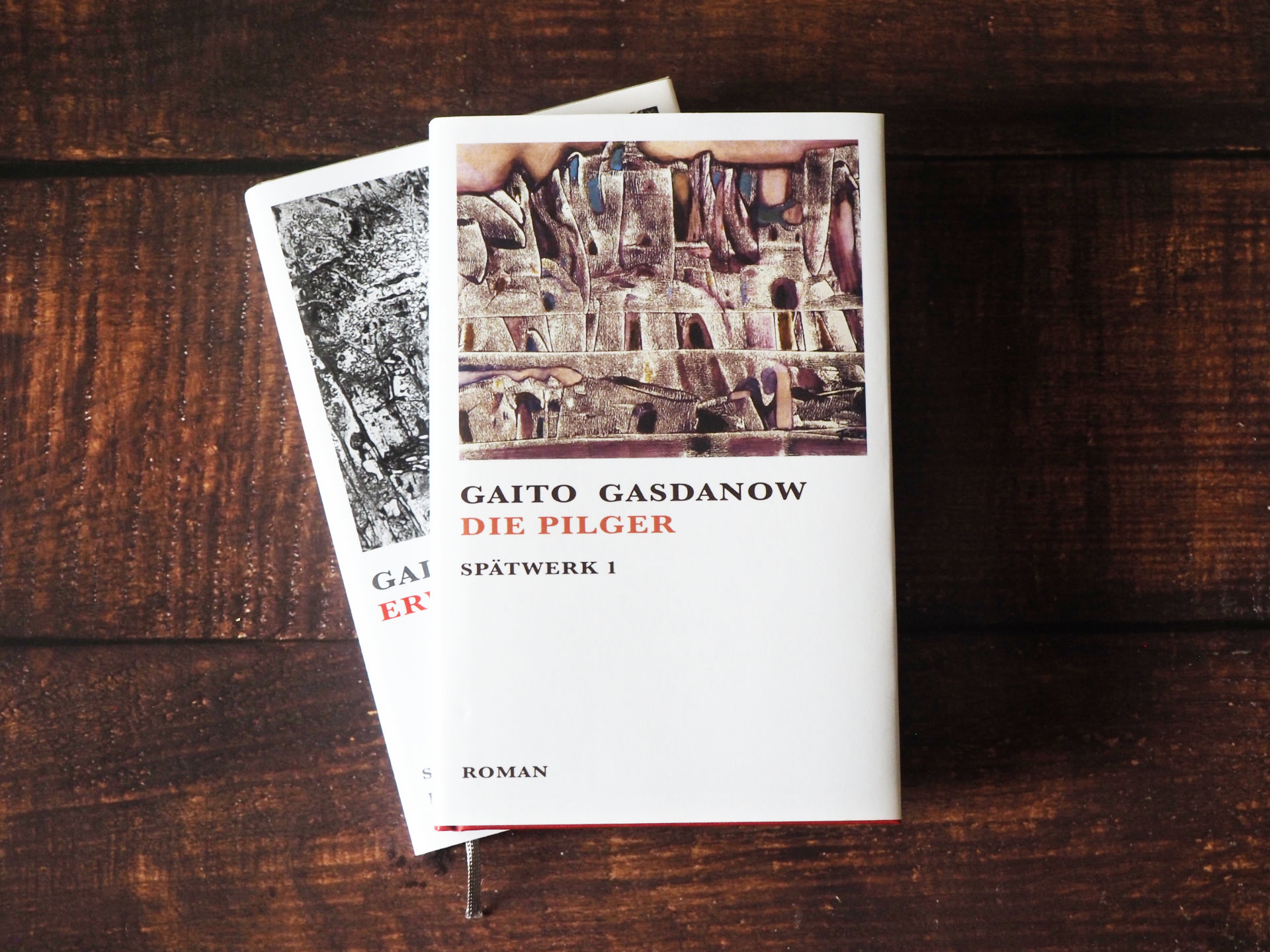
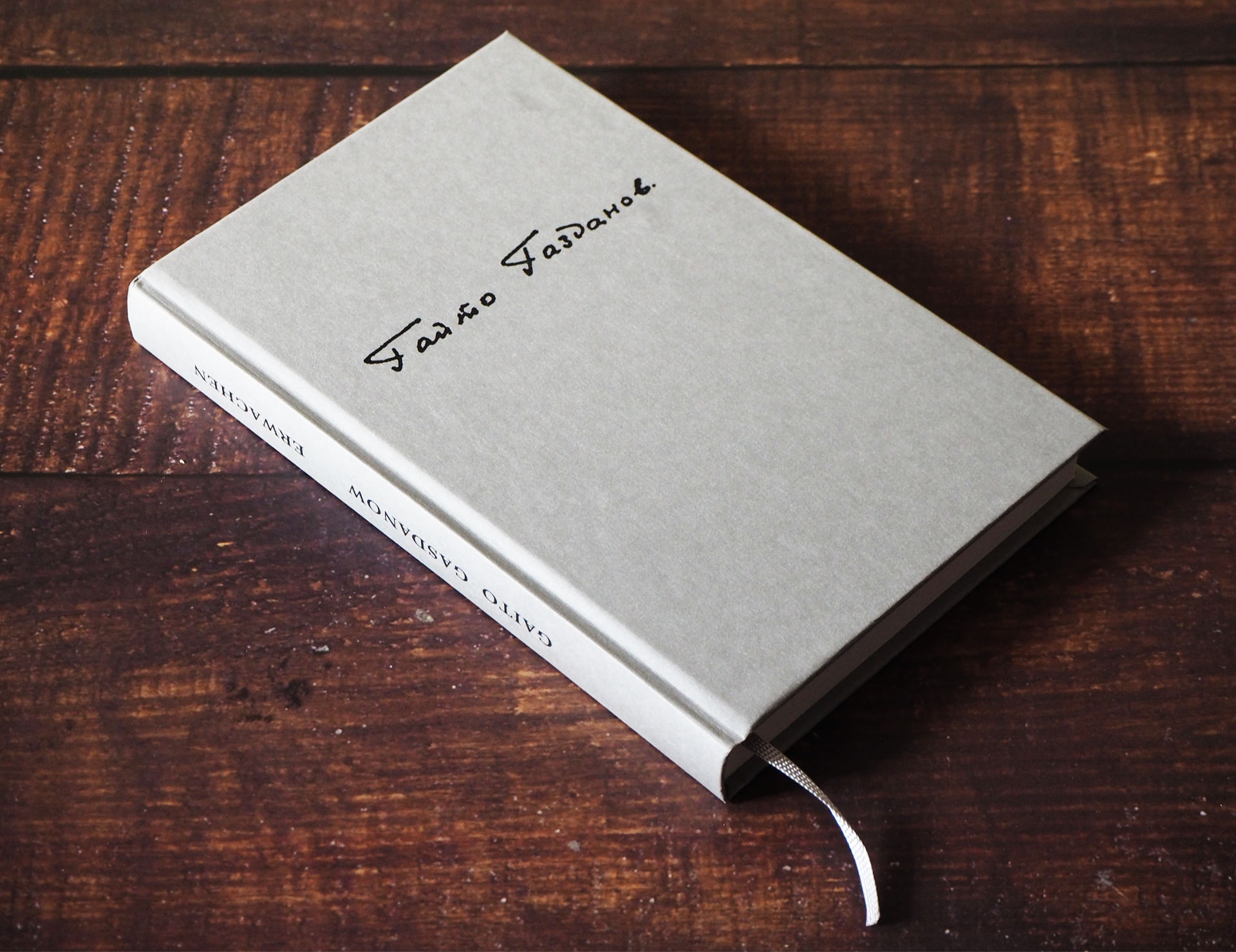
When I came across Die Pilger last year, I was thrilled that another Gazdanov book was finally being translated. I was surprised, though, to see it published by Books on Demand—a house that normally serves self-publishers. After asking BoD, I learned that Jürgen Barck had in fact translated and published it on his own. I contacted Barck and he confirmed it. I find it impressive that with this second Gazdanov book, he again presents the first German translation entirely on his own: translating, adding notes and an afterword, and issuing it solo. Remarkably, the quality truly stands up to a traditional publisher. I was disappointed in the production of Die Pilger last year, but he’s improved things here: there’s now a hardcover with a new jacket design, and the typography is well chosen and handsome. I also like the stamp of Gazdanov’s signature on the case. You can still sense, in the build, that it’s a BoD book, but as a package it’s excellent. Barck deserves a great deal of credit for making Gazdanov’s books accessible to German readers.
As for the translation quality: it’s at a high level. The book reads smoothly and carries that typical Gazdanov tone—just as in the Hanser translations. In the afterword he also discusses considerations behind the title and emphasizes how strongly Gazdanov builds acoustic elements into his prose and how they serve character. I’d only sensed this unconsciously—whenever the rhythm felt like music to me, or particular sounds seemed almost audible in my mind. Barck also suggests a link between the protagonist’s name and a composer, which I found intriguing and plausible.

Conclusion: This second late work by Gazdanov, published independently by translator Jürgen Barck, is again a very worthwhile read that I thoroughly enjoyed. I love Gazdanov’s style; it’s a pleasure to follow his finely drawn characters and their thought-worlds—so full of depth, touching on the small and the large questions—always voiced in gentle, melodic prose. Even if the plot ultimately seems simple, Gazdanov’s books are always gripping, and I’ve devoured them all in short order. All of that applies, without reservation, to Erwachen. A wonderful book that I highly recommend.
Book information: Erwachen • Gaito Gazdanov • Books on Demand • 196 pages • ISBN 9783753424125
Ich kenne noch kein Buch von Gasdanow, aber deine Rezension macht mich neugierig. Vielen Dank dafür.
Ein schönes Wochenende, Yvonne
Sie haben sehr schön , das heißt sensibel und mit Sinn für literarische Kunst über das Buch und den Autor geschrieben, den ich gerade auch für mich entdeckt habe, dessen EIN ABFND BEI CLAIRE ich gerade lese, nachdem mich seine NÄCHTLICHEN WEGE sehr fasziniert und überrascht haben. Danke!