
Fünf Viertelstunden bis zum Meer • Ernest van der Kwast

Lange Zeit habe ich dünne Bücher wenig Beachtung geschenkt. Erst nachdem mich einige Novellen überzeugen konnten, habe ich mich immer wieder der kurz gefassten Erzählung hingegeben und mittlerweile schätze ich es, mich nur wenigen Seiten lang zu zerstreuen. Perfektioniert hat das ja Maupassant, der mit seinen Novellen in die Weltliteratur eingegangen ist. Bei Fünf Viertelstunden bis zum Meer habe ich einige Zeit gezögert, aber nachdem ich immer wieder darüber gestolpert bin, habe ich mich entschlossen mir das gute Stück doch zu holen. Einfach weil ich Liebesgeschichten liebe. Und weil mich Literatur aus dem mare Verlag bisher noch nie enttäuscht hat.
In einer Zeit vor dem Bikini, drei Monate nach Kriegsende, verliebt sich Ezio in die schöne Giovanna, der er zusammen mit seinem Bruder, an einem typisch italienischen Strand, das erste Mal begegnet. Und zwar im bauchfreien Zweiteiler, der ihren schönen Nabel sehen lässt und den beiden jungen Brüdern völlig den Kopf verdreht. Es entsteht eine Liebesgeschichte, die sich nach und nach dem Leser präsentiert. Ernest van der Kwast macht etwas, was nur in Bücher richtig gut funktioniert: Er springt wild zwischen den verschiedenen Zeitebenen, zwischen den Erlebnissen der Jugend, den Gedanken aus dem Rückblick des Alters und den vielen Zwischenschritten eines Menschenlebens. Immer mit dem Fokus auf die Gefühle, die Emotionen der beiden Hauptfiguren und auch immer mit einem Seitenblick auf das schöne Italien und seiner einzigartigen Stimmung. Das typisch italienische Flair, das ich in Literatur nie bewusst gesucht habe, verfolgt mich doch immer wieder. Und ich muss sagen, dass ich es sehr genieße von der schönen Landschaft, dem Meer, den Stränden und der Sonne zu träumen, die auch in Bücher eine ganz eigene Ausstrahlung haben. Auch in diesem kurzen Buch ist das der Fall und mit wenigen Worten werden schöne Sonnentage am Meer, mit ihrer ganz eigenen Stimmung, heraufbeschworen.
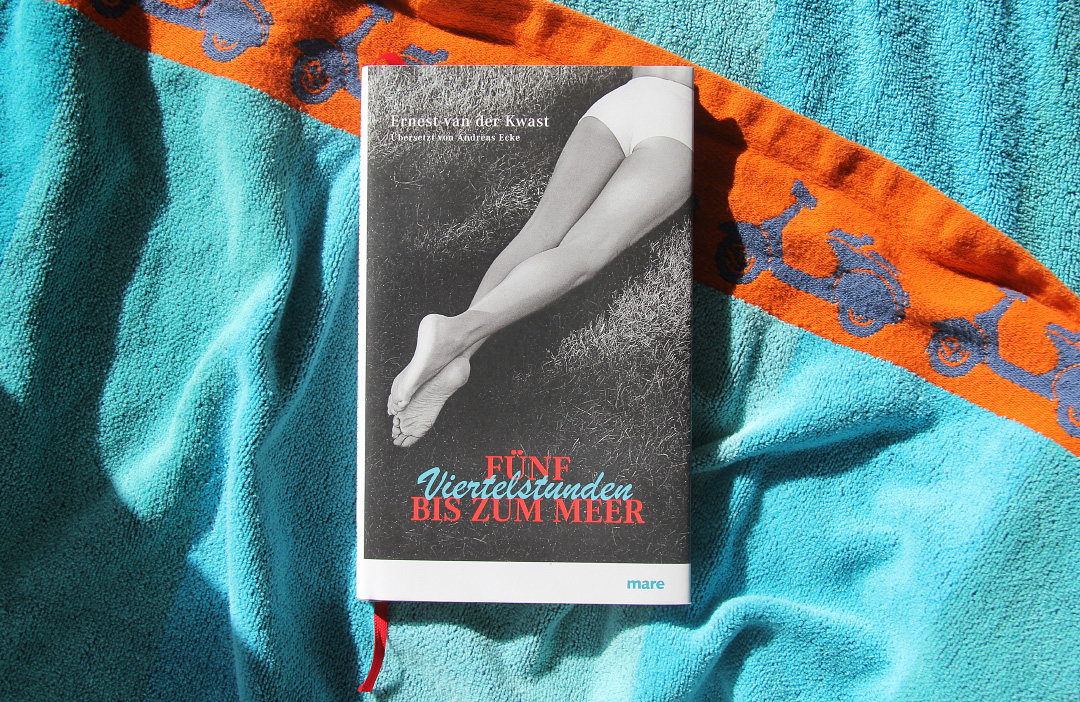
Sowohl das Tempo, als auch der Stil haben mir sehr gut gefallen. Das Buch ist angenehm zu lesen, wird an keiner Stelle langweilig und die Begebenheiten offenbaren sich nach und nach linear über das Buch hinweg. Einige Gleichnisse haben mir sehr gut gefallen und auch die erste Begegnung zwischen Ezio und Giovanna ist unterhaltsam und einfühlsam erzählt. Einige Worte, einige Gedanken kommen an genau der richtigen Stelle und wirken damit sehr gut.
„Im Alter von dreiundzwanzig hatte er eine Tür hinter sich schließen und nie mehr an das Zimmer dahinter denken wollen. Doch was er darin zurückließ, war größer als das Zimmer selbst, es drang durch die Türritzen, durchs Schlüsselloch, ließ sich nur zu gern vom Wind über die silbergrünen Meere der Olivenhaine und Weinberge wehen, von einem Bienenschwarm verschleppen und zwischen Carpi und Mantua komfortabel auf dem Rücken eines Eisenbahnzugs transportieren.“ (S. 19)
Was für eine Geschichte kann das sein, die sich auf lediglich 96 Seiten erstreckt? Aus meiner Sicht eine sehr schöne Liebesgeschichte, die mich durchaus packen, aber nicht restlos begeistern konnte. Der Lebensweg stimmt traurig, ist aber weder außergewöhnlich, noch so richtig bewegend, wenn auch das Schicksal der Verliebten mich ein wenig gerührt hat. Ernest van der Kwast erklärt an einer Stelle sehr schön, was das zentrale Thema der Geschichte ist:
„Ezio hingegen verstand den Film noch nicht, der in ihm ablief. Das Bild war verschwommen. In dem Film ging es um Zeit und um eine Ahnung davon, was Wehmut sein könnte.“ (S. 24)
Es gibt Bücher, bei denen die Protagonisten einfach nicht richtig in die Gänge kommen. Nicht-zu-Potte-komm-Bücher nenne ich sie für mich, denn die Figuren kommen einfach nicht richtig in die Puschen. Der König der Nicht-in-die-Puschen-Kommer war bisher Frédéric Moreau aus L’Éducation sentimentale von Gustave Flaubert. Aber Ezio spielt auch recht weit vorne in der Liga mit. Ich bin ein Mensch, der alles andere als phlegmatisch seinem Schicksal harrt und wenn sich jemand verliebt, dann muss man eben ran an den Speck und darf erst dann aufgeben, wenn man der Ansicht ist, alles getan zu haben. Alles ist in dem Fall genau so viel, wie es einem selbst Wert ist und am Ende darf man dann nicht resignieren, sondern dem eigenen Ringen um das eigene Glück Respekt zollen, auch wenn es in die Hose gegangen ist. Und meistens geht es in die Hose, besonders wenn man so jung wie Ezio ist. Er scheint aber nicht zu der kämpferischen und schnellsten Sorte zu gehören und aufgrund dieser unterschiedlichen Denkweise war er mir auch nicht ganz so sympatisch. Vielleicht war es genau die Absicht des Autors, einen solchen Charakter zu erschaffen. Meine Empathie ist bei diesem Wesenszügen allerdings dann doch an ihre Grenzen gestoßen.
Fazit: Fünf Viertelstunden bis zum Meer ist eine kurze Liebesgeschichte, die mich packen konnte, aber mich nicht vollständig begeistert hat. Ideal für den Strandkorb, ist die kurze Erzählung mit seinen 96 Seiten recht schnell gelesen, unterhält gut und ist mit seinem flüssig lesbaren Stil, seinen Zeitsprüngen und dem einfühlsamen Blick auf die Protagonisten eine angenehme Lektüre. Die Art der beiden Verliebten zu handeln, ihre Entscheidungen und ihr Schicksal konnte mich allerdings nicht durchgängig überzeugen. Sehr schön ist hingegen die Stimmung von der Sonne und dem Meer Italiens, dass van der Kwast hier mit wenig Worten zeichnet. Das Buch bietet damit eine angenehme Art der Zerstreuung, perfekt für einen sonnigen Tag am Meer.
Buchinformation: Fünf Viertelstunden bis zum Meer • Ernest van der Kwast • mare Verlag • 96 Seiten • ISBN 9783866482050
Lieber Tobi,
wenn Du Novellen liebst und Maupassant magst, könnte Dir vielleicht auch Stefan Zweig gefallen, wenn Du ihn nicht ohnehin schon gelesen hast. Weltliteratur vom erfolgreichsten deutschen Autor zwischen den Weltkriegen. Ich würde mit „Magellan, der Mann und seine TaT beginnen…
Liebe Grüße,
josch p.
Lieber Josch,
Stefan Zweig ist mir schon oft untergekommen, aber ich habe bisher eher einen Bogen um deutsche Autoren gemacht. Etwas, das ich auf jeden Fall wieder gut machen werde, aber zu verlockend ist für mich momentan das Setting eines Paris des 19. Jahrhunderts oder das völlig fremde und wilde Russland aus vergangener Zeiten.
Den Titel merke ich mir, das ist ein guter Tipp. Vielen Dank dafür auf jeden Fall! Aber den deutschen Klassiker der Weltliteratur werde ich mich auf jeden Fall noch zuwenden. Da sind noch viele spannende Titel dabei.
Herzliche Grüße
Tobi
„Der König der Nicht-in-die-Puschen-Kommer war bisher Frédéric Moreau aus L’Éducation sentimentale von Gustave Flaubert. Aber Ezio spielt auch recht weit vorne in der Liga mit. Ich bin ein Mensch, der alles andere als phlegmatisch seinem Schicksal harrt und wenn sich jemand verliebt, dann muss man eben ran an den Speck und darf erst dann aufgeben, wenn man der Ansicht ist, alles getan zu haben. “
Kann ich voll nachvollziehen, nur: Ezio ist Italiener. Der MUSS gehen, wenn er zweimal einen Heiratsantrag gemacht hat und die Trulla mag nicht,das ist denn doch zuviel für die italienische Männerehre. Und sie ist ja auch sehr …hmmm…eigen. Ich glaube, diese Geschichte soll man einfach nur lesen, ohne sie zu analysieren. Zu romantisch-relitätsfern, um-wovon auch immer-überzeugen zu wollen oder zu können. Ich kann beider Leben nicht wirklich nachvollziehen. Liest sich trotzdem nett. Zwei , die es verkackt haben, aber Keiner ist dem anderen was schuldig. Und deshalb leidet der Leser nur ein wenig…romantisch halt. Nicht tragisch. Und ein paar heitere Stellen hat`s ja auch. Ich hab mich köstlich bei der Briefträgerszene amüsiert. Alleine die Vorstellung: schmeißt die ganze Briefpost über den nächsten Gartenzaun und eilt zu seiner Frau, weil die Geburt los geht. Deine 3 Sterne finde ich völlig okay.
Liebe Devona,
da haben wir einen ganz ähnlichen Blick. „Liest sich trotzdem nett“ ist genau das, was das Buch für mich als einen Tipp als entspannte Strandlektüre macht. Einmal wegen der Stimmung, aber eben, weil es sich gut liest und man davon nicht zu sehr gepackt wird und dabei ganz gut abschalten kann. Die verletzte Stolz Nummer erklärt zwar einiges, aber das macht Ezio nicht gerade sympatischer, sondern lässt ihn noch einfältiger wirken, als es ohnehin schon der Fall ist. Aber möglicherweise waren das die Absichten des Autors und du liegst da ziemlich richtig. Aber ich mag so Bücher zwischendrinnen ganz gerne. So wie die Bücher von Nicolas Barreau/Daniela Thiele, wobei „Fünf Viertelstunden bis zum Meer“ wesentlich mehr Authentizität bietet. Da fällt mir ein, von Barreau sollte ich mir auch mal wieder etwas holen. Paris ist einfach eine wunderbare Kulisse. In Klassiker wie in Schmonzetten.
Vielen Dank für dein Kommentar auf jeden Fall! Ezios Nationalität wäre mir so nicht als entscheidender Einflussfaktor nicht gekommen. Anders beispielsweise bei Stendhal, der es ja nicht versäumt auf die Unterschiede zwischen Italiener und anderen Nationen (besonders der Franzosen) hinzuweisen. Und bei ihm drehen die Italiener auch immer komplett am Rad und machen total waghalsige Sachen um dann doch noch an die Angebetete ran zu kommen. Genau so, wie man es klischeehaft den Italiener nachsagt. Aber unterm Strich hätte das bei dem Buch heißen müssen, dass er erst so richtig aufdreht und nicht mit eingezogenen Schwanz abzieht. Allerdings hat die Gute auch ordentlich einen Schuss in der Krone. Ach was solls, ist ja nur eine Geschichte ;)
Liebe Grüße
Tobi
Hallo Tobi,
Nur eine kleine Bemerkung: Ernest van der Kwast ist ein Niederländer (geboren in Indien!). Wenn man nur seinen Familiennamen nutzt sagt man besser ‚van der Kwast‘ statt den ‚Kwast‘ was du hier eingegeben hast. Es ist nicht so ganz wichtig, aber alles in deinen Kommentaren sieht ja so perfekt aus. Ich ahne, du hast solche Ergänzungen doch gern…
Lieben Gruss, Annemieke Laghuwitz, ’s-Hertogenbosch, Niederlande.
Liebe Annemieke,
vielen Dank für den Hinweis. Ich hätte da einen Adelsprädikat vermutet und einfach weg gelassen, aber das ist ja falsch, das van der gehört ja zum Namen. Ich habe das korrigiert.
Liebe Grüße
Tobi
Gut gemacht Tobi! Ein Adelsprädikat hätte sein können, man sieht es aber heutzutage nicht mehr an den Namen ab… Danke für deine Antwort.
Annemieke
Hey,
ich finde die Rezension wirklich sehr schön geschrieben. Ich habe mir gleich das Buch etwas näher angeguckt und spiele dank deiner Rezi mit dem Gedanken, mir dieses Buch zu holen.
https://captainbooksweb.wordpress.com/