
Baumhäuser • Andreas Wenning
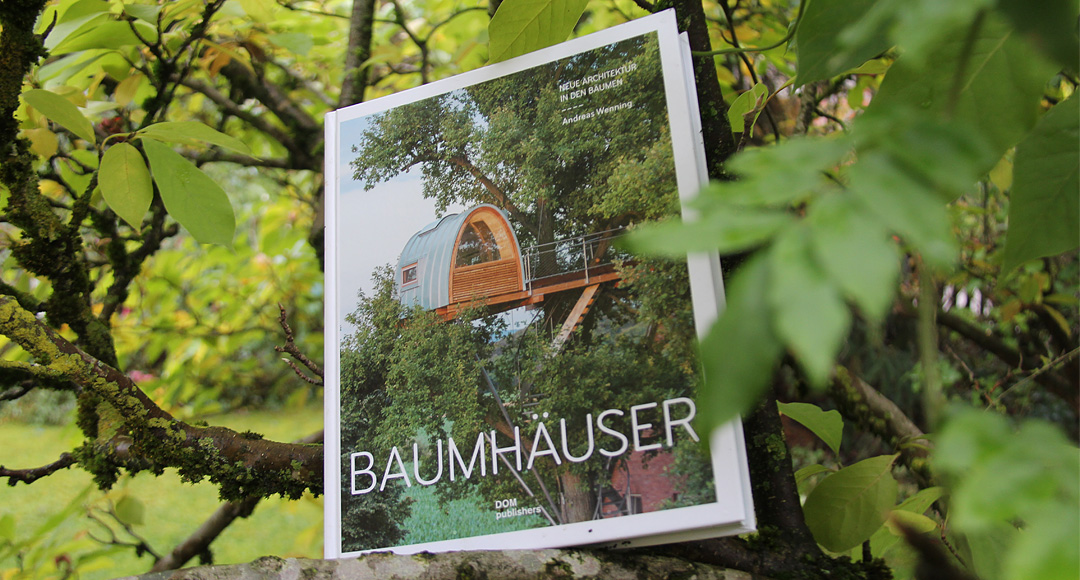
Als Kind hatte ich ein Buch in dem es um einen kleinen Jungen ging. Der kletterte am knorrigen und dicken Stamm eines riesigen Baums empor, schlüpfte dabei durch Hohlräume des alten und dicken Stamms und schwang sich so in ungeahnte Höhen. Weit oben fand er sich in einem Baumhaus wieder. Keinem kleinen Bretterverschlag, sondern einem geräumigen und gemütlich eingerichteten Zimmer mit einer Küche, einem Tisch mit Stühlen und einem großen Fenster, das den weiten und unverstellten Blick, aus luftigen Höhen, auf das weite Land freigab. In meinem kindlichen Verstand hat dieses Buch mit seinen feinen Abbildungen und Skizzen unglaubliche Phantasien erweckt. Wie ich mich darin verkriechen würde, darin leben und immer darin zurückziehen könnte, frei und unabhängig von der oft schwierigen Realität des Heranwachsens. Damals war für mich ein Baumhaus in unerreichbarer Ferne, denn ich bin in einem schmucklosen Wohnblock am Stadtrand aufgewachsen und da gab es zwar Bäume, aber gleichzeitig auch Hausmeister, die mit kletternden Kindern, weit oben in Baumkronen, hart ins Gericht gingen, wenn sie diese denn einmal zu fassen bekamen (was mich allerdings nicht davon abgehalten hat zahlreiche Bäume zu erklimmen).
Jahre später, als Erwachsener musste ich wieder an dieses Buch denken und so wie man das mit seinen geheimen Träumen und Wünschen macht, habe ich sie dem anvertraut, dem man letztendlich jede noch so dämliche oder peinliche Frage stellen kann: der Suchmaschine Google. Dort stößt man sehr schnell auf die Webseite von baumraum. Verwundert habe ich den schick gestalteten Webauftritt genauer studiert und war ganz überrascht, was für ein großartiges Projekt baumraum denn ist, denn es transportiert meinen Kindheitstraum in die Realität. baumraum ist ein Architekturbüro, das der Architekt Andreas Wenning 2003 gegründet hat und seitdem Baumhäuser entwirft und baut.
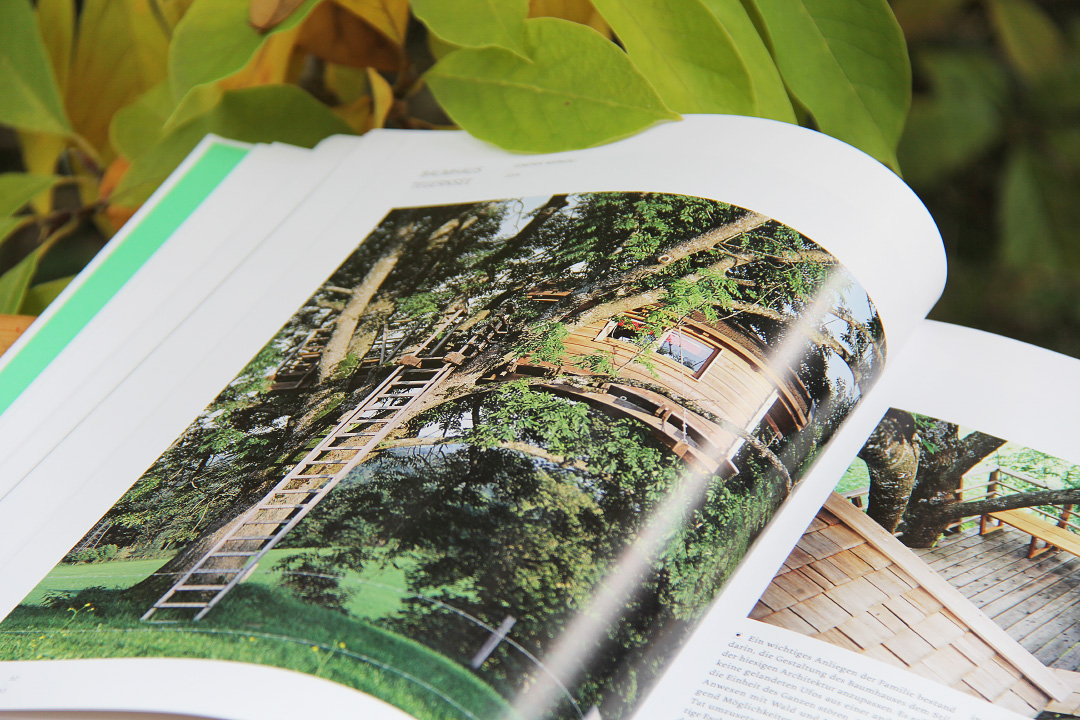
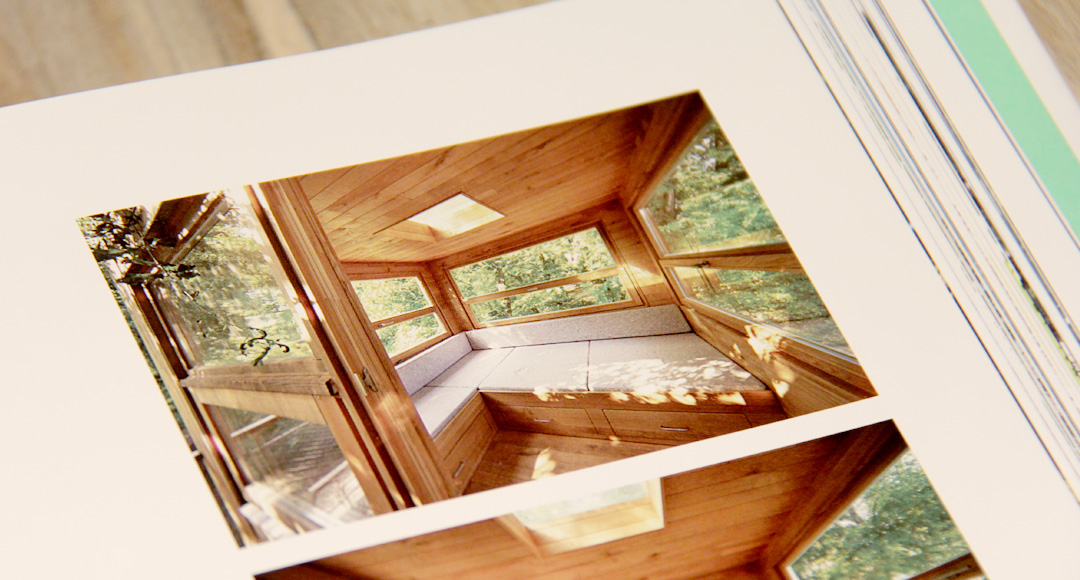
Wenn man sich nun nach Baumhäuser umsieht, dann stellt man fest, dass es einige sehr schöne Exemplare davon gibt. Romantisch an einem See, ein kleines Häuschen im Stile einer gemütlichen, mit Sprossenfenster versehenen Kate, hoch oben im Geäst eines knorrigen Baums, oder sogar ein altes Schiff, oder wie ein Piratenschlupfloch gestaltetes, mehrstöckiges Haus, das einen alten Baum umhüllt und dabei wie eine Räuberhöhle anmutet. baumraum macht nun aber etwas anders, ist mehr als nur das Nachbauen eines typischen Unterschlupfs in einer Baumkrone. Andreas Wenning führt dieses Konzept weiter und transformiert dieses klassische Bild in unsere Zeit. Wennings Baumhäuser fügen sich ebenfalls nahtlos und mit einer gewissen Romantik in dichte Baumkronen. Allerdings haben sie einen modernen, einen schlichten und klaren Stil. Mit hellem Holz und großen Fenstern, die den Blick freigeben auf ein weites Panorama, oder hinauf in das dichte Blätterdach, sind sie noch immer ein Rückzugsort. Aber nicht als dunkle, muffige und versteckte Höhle (die natürlich auch sehr reizvoll sind), sondern, ganz im Sinne der Ideale unserer Zeit, offen, hell und doch eng verbunden mit der Natur. Es sind Rückzugsorte aus dem urbanen, von Hektik geprägten Leben in den Städten, die mit komfortablen Inneneinrichtungen, manchmal mit Stromversorgung und Stereoanlage, mit Wollfilz und Kissen versehenen Sitzflächen zum Entspannen einladen.
Ob direkt in der Baumkrone oder mit komplizierten Holzkonstruktionen mit dem Boden verbunden, zahlreiche Projekte unterschiedlichster Art hat Wenning umgesetzt und eindrucksvoll seine Fertigkeiten als Architekt demonstriert. Nach über zwölf Jahren, seit er baumraum gegründet hat, kann er auf zahlreiche Projekte zurück blicken und präsentiert schon seit längerer Zeit auf seiner Webseite die Ergebnisse seiner Arbeit. Als ich zufällig wieder die baumraum Seite besucht habe, bin ich auf seinen Bildband gestoßen (eine Vorschau gibt es hier), der bereits in der 3. Auflage vorliegt und den ich natürlich sofort haben musste, denn es ist ein Genuss sich Abends, eingehüllt in eine weiche Decke, auf das Sofa zu setzen, wunderschöne Baumhäuser zu betrachten und dabei zu träumen.
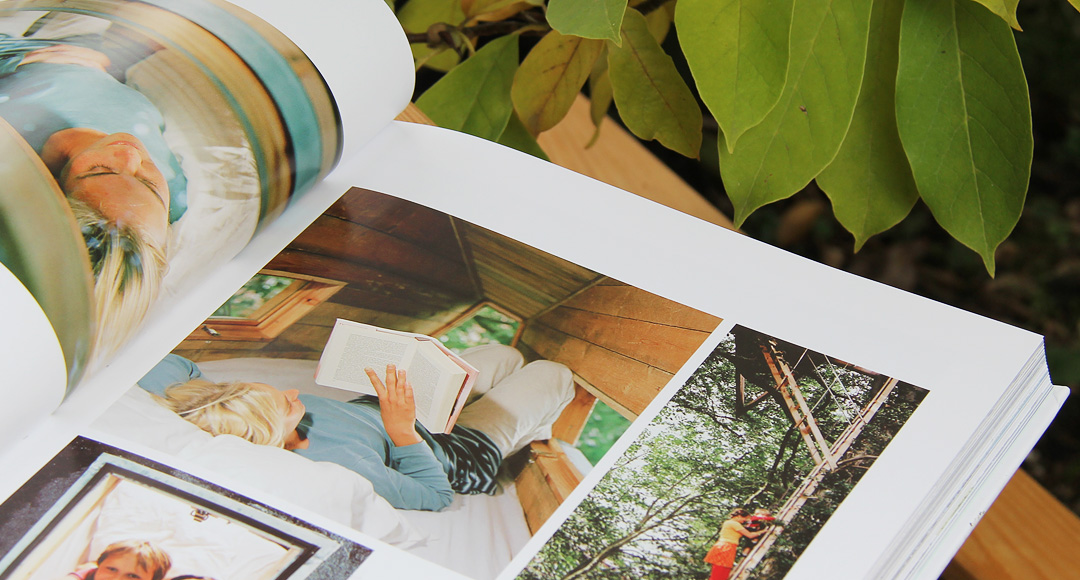
Wenn man Baumhäuser das erste Mal aufschlägt, dann merkt man sofort, dass Wenning jemand ist, der sich auskennt, der Bescheid weiß und viel Erfahrung mit den kleinen Behausungen in luftiger Höhe hat. Der Bildband ist wertig, liegt gut in der Hand und schon das Cover verspricht Baumhäuser abseits der alten Vorstellungen. Beim ersten, schnellen Durchblättern bleibt man schon an einigen der zahlreichen Fotografien hängen, insbesondere die, die das Innere der zum Teil in außergewöhnlichen Form konstruierten Häuschen zeigen. Die Fotos sind sehr hochwertig, mit viel Sorgfalt aufgenommen und am Licht sieht man, dass hier auf den richtigen Zeitpunkt gewartet wurde (beispielsweise wird ein Baumhaus am schönen Tegernsee im Abendlicht gezeigt).
Das Buch beginnt mit allgemeinen Informationen und bietet Hintergrundinformationen zur Geschichte des Baumhauses, zur Entwicklung dieser in einem zeitlichen und kulturellen Kontext und wagt auch Seitenblicke auf Protestaktionen, in denen Baumhäuser eine Rolle gespielt haben (z.B. der Protest gegen den Bau einer zusätzlichen Startbahn am Flughafen Frankfurt am Main). Er geht auf einen alten, in Indonesien lebenden Stamm ein, dessen Menschen in den hohen Wipfeln des dichten Urwalds ihre Häuser bauen, erzählt von Baumhaushotels und Baumhäuser in Literatur, Film und Comics (auch Bart Simpsons Baumhaus bleibt nicht unerwähnt). Nicht zuletzt ist ein Kapitel den Bäumen gewidmet, den ohne die geht es natürlich nicht. Ohne dass er zu tief ins Detail geht bekommt man einen guten Überblick, was für die Beschaffenheit eines Baums relevant ist und man bekommt eine Ahnung davon wie komplex diese Lebewesen eigentlich sind. Dabei kann man sich auch hier an schönen Abbildungen erfreuen.
An dieser Stelle sei der Hinweis gegeben, dass jeder Baum ein natürliches Lebewesen ist und in Verbindung mit einem Baumhaus zu einer natürlichen Konstruktion wird. Natürlichkeit beinhaltet immer Veränderung, so dass Sicherheit und Vitalität als Folge des natürlichen Alterungsprozesses oder einer sich nachteilig verändernden Umwelt nachlassen können. (S. 31)
Überhaupt beweist hier Wenning guten Geschmack, denn das Buch ist hinsichtlich Aufbau und insbesondere auch der gewählten Schriftarten sehr edel umgesetzt. Sehr passend zu seinem Architekturstil, der sich in seiner Schlichtheit auch in der Schriftart der Überschriften und Kapitel wiederfindet. Ein Detail, das mir sehr positiv aufgefallen ist.

Nach dieser Einführung in die Welt der Baumhäuser präsentiert er 36 Projekte, die er im Zeitraum von 2003 bis 2014 umgesetzt hat. Mit vielen Bildern, aber auch mit Hintergrundinformationen bekommt man einen guten Einblick darin, was für die Planung des Baumhauses eine Rolle gespielt hat, wie die Standortwahl getroffen wurde und in welchem Umfeld das Baumhaus errichtet wurde. Ein jedes Baumhaus ist ein ganz individuelles Projekt, mit viel Liebe und Aufwand geplant und umgesetzt, ganz an die Bedürfnisse des Auftraggebers angepasst. Die Palette reicht hier von kleinen, schiffartigen Häuschen, direkt im Baum aufgehängt, bis zum großen Informationszentrum, primär mit im Boden verankerten Stützen befestigt. Ein anderes wurde nahe einer Klippe, nördlich von New York unweit des Hudson Rivers errichtet und ein anderes wiederum hängt versteckt direkt über einem Teichbiotop. Mir gefallen die kleinen, versteckten Baumhäuser am besten, die dennoch hell und freundlich sind, ein Panoramafenster sowohl mit Ausblick, als auch in Richtung Baumkrone haben.
Ein kurzes Kapitel zeigt drei Events, bei denen Wenning Ausstellungsräumlichkeiten in Form eines Baumhauses konstruiert hat, sowie eine Skulptur, die er für ein Designmuseum entworfen hat. Abschließend präsentiert er in einem Kapitel Visionen für künftige Baumhäuser, die er mit realistischen Grafiken aufbereitet hat und zum Teil ein sehr futuristisches Design haben. Dabei schreckt er auch nicht vor Palmen zurück oder einer Behausung unter der Erde. Auf jeden Fall sind hier vielseitige Ideen zu sehen, die zwar umsetzbar sind, aber deren Verwirklichung wahrscheinlich aufgrund mangelnder Auftraggeber fraglich sind. Aber man weiß ja nie, betrachtet man sich die Projekte, dann sieht man ganz klar, dass auch größere Projekte kein Problem für Wenning sind.
Besonders schön finde ich eine Seite, ganz am Ende, die mit vielen kleinen Bildern Wenning und sein Team beim Bau der Baumhäuser zeigt. Dieser Bereich hätte fast umfangreicher sein könne, denn man ist schon neugierig zu sehen, mit welchen Aufwand und Aktionen so ein Bau verbunden ist. Vielleicht wäre hier ein weiteres Kapitel in der vierten Auflage keine schlechte Idee.
Fazit: Mit dem Buch Baumhäuser – Neue Architektur in den Bäumen legt Andreas Wenning einen sehr gelungen Bildband über seine außergewöhnlichen, modernen und gleichzeitig naturverbundenen Baumhäuser vor. Vielseitig, einfallsreich und sehr sehenswert sind seine in 11 Jahren geschaffenen kleinen Meisterwerke, die jede Prunkvilla in den Schatten stellen. Dieses Buch kann ich jeden empfehlen, der es als Kind geliebt hat weit hinauf in Bäume zu klettern und immer davon geträumt hat sich in die Baumkrone dieser ganz besonderen Lebewesen zurückzuziehen, abzuheben und für einen kurzen Moment die hektische Welt zu verlassen. Bei der Lektüre dieses Buches ist mir aufgefallen, wie leicht es auch als Erwachsener ist, wie damals als Kind davon zu träumen.
Buchinformation: Baumhäuser – Neue Architektur in den Bäumen • Andreas Wenning • DOM publishers • 304 Seiten • ISBN 9783869224091
Wunderbar! Viele Grüße von einer Baumhaus-Träumerin. Und das seit vielen Jahren.
Auch ein alt gehegter Kindheitstraum?
Nein, kein Kindheitstraum. Meine Liebe zu Bäumen habe ich erst spät entdeckt. Und irgendwann sah ich einen Bericht über Baumhäuser. Die Bilder haben mich nie wieder losgelassen. Jetzt lebe ich unter und zwischen Bäumen und schaue hoch zu den freundlichen Riesen. Auch schön.
Toll! Ich selbst träume von Baumhäusern, seit ich als Kind die Tarzan-Filme mit Johnny Weißmüller gesehen habe :-D
Liebe Anette,
die Tarzan-Filme werden in dem Buch auch erwähnt. Ich hab die nie gesehen, aber ist klar, dass ich erst bei einem Buch so richtig das Träumen anfange ;)
Liebe Grüße
Tobi
Lieber Tobi,
danke für die wunderbare Baumhaus-Buchvorstellung!
Ich liebe allerlei Baumhausbücher. Dieses kannte ich noch nicht näher. Ist direkt auf meiner Wunschliste gelandet!
Grüße,
Mina
Liebe Mina,
hast du noch mehr Baumhausbücher? Ich hab noch ein weiteres, etwas Älteres im Schrank stehen. Von Pete Nelson.
Liebe Grüße
Tobi
Nun möchte ich auch sofort und unbedingt ein Baumhaus! :)
Bei mir war es übrigens ein recht ähnlicher Kindheitstraum: Kennst du Lotta aus der Krachmacher Straße? Sie zieht irgendwann ein Mal zu der alten Dame in der Nachbarschaft, zu Tante Berg. Dort wohnt sie irgendwo oben auf einer Art Dachboden oder so (?). Auf jeden Fall bekommt sie ihr Essen und so weiter von Tante Berg in einen Korb gelegt, den sie dann zu sich hoch zieht. Das wollte ich auch unbedingt. Ich glaube, das ist ein bisschen der Wunsch nach einem eigenen kleinen Reich!
Meine Mutter musste mir oft einen kleinen Korb mit Brötchen und Kakao usw. fertig machen, den ich dann in mein Hochbett gezogen habe. <3
Liebe Tine,
oh ja, die Folge von Lotta kenne ich. Aber da kann ich sie auch gut verstehen, wie die Mutter sie nötigt diesen ranzigen Pulli anzuziehen.
Das ist ein schönes Beispiel, wie die kindliche Phantasie solche Sachen weiter spinnt. Ich glaube sich in eine Höhle zu verkriechen, wo man vor der unsicheren Außenwelt geschützt ist, ist so ein Urbedürfnis des Menschen, das so dann Zutage tritt.
Liebe Grüße
Tobi