
Babel • Rebecca F. Kuang
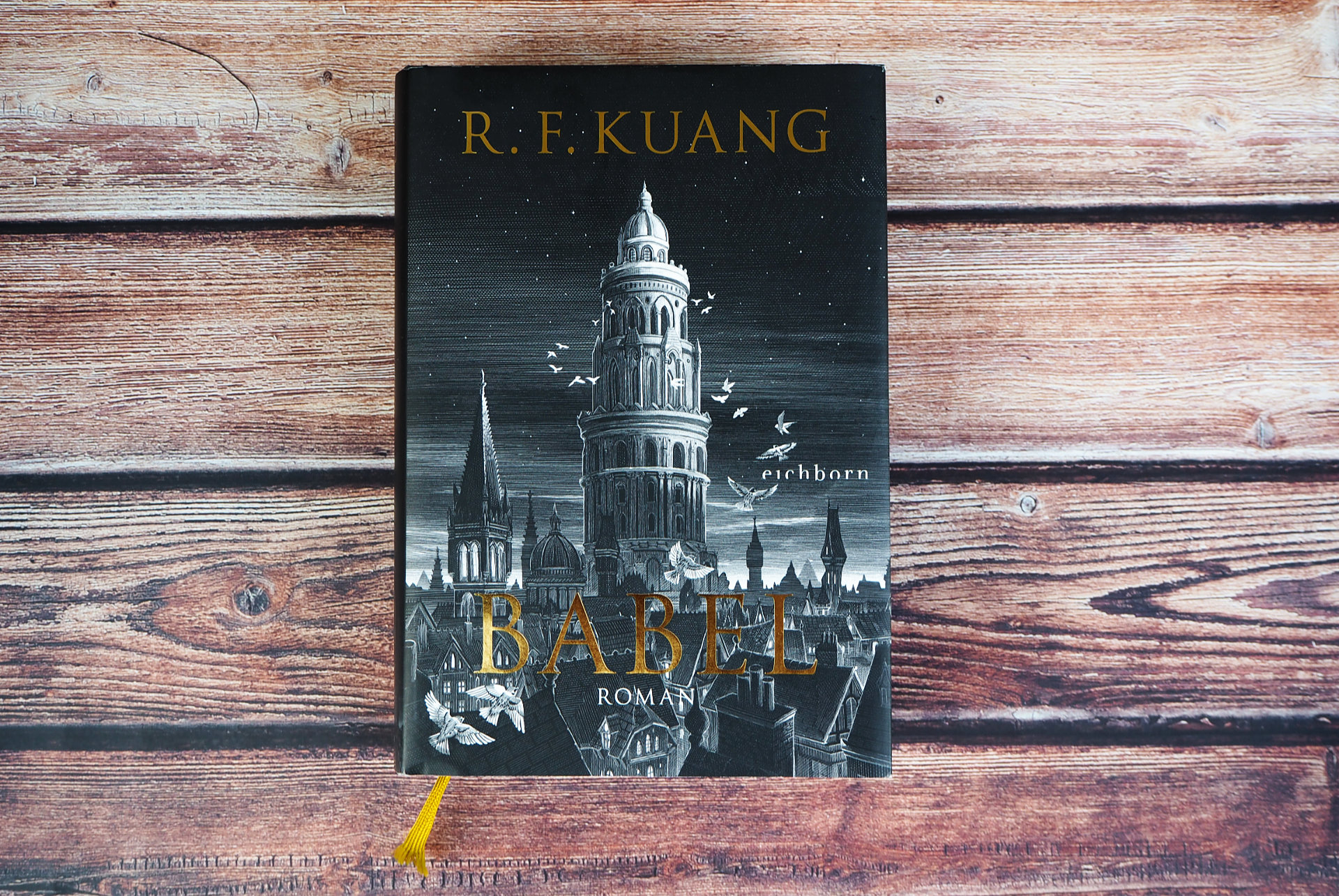
Das Buch Babel von Rebecca Kuang wird dieser Tage sehr kräftig beworben und egal ob im Internet oder im Buchladen um die Ecke, überall wird es prominent feilgeboten. Eigentlich ein sicheres Zeichen ein Buch lieber nicht zu kaufen. Diesmal habe ich allerdings nachgegeben, denn vom Klappentext hat es sich nach einer ganz interessanten neuartigen Geschichte angehört. Und ich hatte viel Lust auf Fantasy bzw. eine fiktive Geschichte in einer Welt mit Magie. Natürlich will ich es nicht versäumen euch von dem Buch zu berichten.
Robin Swift, ein Waisenjunge, wird aus dem chinesischen Kanton von einem geheimnisvollen Professor nach London gebracht. Das Buch spielt 1828 und das britische Empire herrscht nahezu über die ganze Welt. Robin muss mehrere Sprachen lernen und sich intensiv linguistischen Studien widmen, um schließlich nach Oxford gehen zu können und dort in Babel als Student die Kunst der Magie zu lernen. Dort muss Robin erkennen, dass hinter diesem lehrsamen akademischen Treiben politische Interessen liegen und schnell gerät er in einen moralischen Konflikt zwischen der heimeligen Welt der Universität und dem rücksichtslosen Kolonialismus des britischen Weltreichs.
Hinsichtlich des Leseflusses bin ich ziemlich schnell in die Geschichte gekommen und fand sie ab Anfang an sehr angenehm erzählt. Das Buch liest sich einfach und man merkt sofort, dass es auf Unterhaltung ausgelegt ist und sich völlig mühelos lesen lässt. Die Lektüre war für mich dann aber von Höhen und Tiefen gekennzeichnet. Den Anfang der Geschichte habe ich, bezogen auf den Plot, als holprig empfunden, wie der Protagonist gerade zu Beginn reagiert, erschien mir wenig realistisch. Ebenso einige Entscheidungen, die er trifft, die habe ich der Autorin so nicht abgenommen. Im weiteren Verlauf relativiert sich das allerdings und man spürt ganz deutlich, wie Kuangs Stil und die Darstellung der Figuren deutlich an Authentizität gewinnen.
Eingangs, nach den ersten hundert Seiten, hatte ich die Befürchtung, eine sehr klischeehafte und ideologisch geprägte Geschichte anzutreffen. Doch das hat sich dann im weiteren Verlauf zum Glück nicht bestätigt. Besonders was die Beziehungen zwischen den Figuren angeht, beschreibt Kuang ein sehr angenehmes und ausgewogenes Gefüge, ohne zu übertreiben. Diese kleine Gemeinschaft, die hier in den Roman entsteht, erweckt sie mit einem bemerkenswerten Feingefühl zum Leben und das war für mich auch ein ganz wichtiges Element des Buches.
Rassismus ist ebenfalls ein Thema, aber es wird nicht überstrapaziert, es wirkt authentisch und wird nicht derart in den Mittelpunkt gestellt, dass dieses Buch dadurch einen politisch motivierten Eindruck bekommt. Für mich ist das wichtig, denn in erster Linie möchte ich bei einem fiktiven und phantastischen Roman kein Wertesystem vermittelt bekommen, sondern einfach mental abtauchen, um gerade von dem, was derzeit die Gesellschaften bewegt, Abstand zu nehmen. Das aktuelles Zeitgeschehen in Literatur hinein reicht, das ist wichtig, richtig und evident, soll aber in einem Roman dieses Genres auch nicht überhand nehmen, was Kuang auch sehr gut gelingt.
Ein ganz zentrales Thema des Buches ist Sprache und wer die Vita der Autorin liest, der weiß auch sofort wieso, denn das ist ihr berufliches Fachgebiet. Diese Faszination für Sprache und Übersetzung spürt man in dem ganzen Buch und das gibt ihm auch seine Seele und Besonderheit. Das Konzept von Magie über Sprache und über die feinen Unterschiede zwischen den Sprachen, gespeist durch das Erleben dieser linguistischen Abweichungen im Denken der Menschen, das ist eine sehr ausgefallene Idee. Kuang macht Sprache damit greifbar und gibt ihr die zentrale Rolle in der Geschichte. Man merkt aber auch, dass ihr Konzept von Magie von der digitalisierten Welt geprägt ist und das Bild von dem Wirken von Magie Anleihen an den neuen Technologien nimmt.

Babel zeichnet also ausgehend von der Zeit, in der das britische Weltreich als Kolonialmacht über viele Regionen der Erde herrschte, ein alternatives Szenario, in der das Wirken der Magie durch Sprache für die Ausweitung und Erhaltung der Macht maßgebend ist. Es fällt dadurch leicht, dieses Buch auch als Metapher für die gegenwärtige Welt zu verstehen, in der die digitalen Technologien, durch wenige große und mächtige Konzerne hervorgebracht und kontrolliert werden. Künstliche Intelligenz basierend auf Spracherkennung ist ein aktuelles und sehr populäres Beispiel, an das ich bei der Lektüre von Babel unwillkürlich denken musste, womit das Buch und sein Thema sehr aktuell ist. Ebenso portraitiert Kuang hier eine kapitalorientierte Gesellschaft, für die Gewinnmaximierung eine ebenso hohe Priorität hat, wie sie sich in unserer Hemisphäre manifestiert hat. Es fällt einem als Leser also nicht schwer, sich in diese Welt hinein zu denken. Auch der Ressourcenhunger dieser fiktiven Weltmacht und der Missbrauch dieser Vormachtstellung hat deutliche Parallelen zur aktuellen weltpolitischen Situation.
Ab Mitte des Buches habe ich die Geschichte als sehr unterhaltsam empfunden. Viele offene Fragen halten den Leser sehr gut bei der Stange. Im letzten Drittel des Buches hingegen hat der Plot auf mich unrealistisch gewirkt. Hier merkt man als Leser, dass es sich eben um Figuren handelt und die Autorin die Geschichte irgendwie voran bringen wollte. Für die großen Themen, wie Kolonialismus, Rassismus oder der Konflikt zwischen dem British Empire und dem chinesischen Kaiserreich, ist mir die Welt bzw. der Ausschnitt dessen, was hier gezeigt wird, einfach zu klein geworden. Auch darunter hat dann der Realismus gelitten und man nimmt der Autorin einfach nicht ab, das ein paar einzelne, banal erscheinende Geschehnisse und Begegnungen, diese großen Konflikte zwischen unterschiedlichen Gesellschaftssystemen, mit so großen Bevölkerungen, derart beeinflussen würden. Entweder fehlt hier also etwas oder es wird zu stark vereinfacht. Auch die Machtstrukturen habe ich als unrealistisch empfunden. Ein zentrales Babel hätte von vornherein eine andere Stellung in diesem Gesellschaftssystem entwickelt und in diesem Kontext wirkt der finale Verlauf der Geschichte sehr unwahrscheinlich.
Insgesamt muss ich auch sagen, dass man den Roman auch ordentlich hätte eindampfen könnte und auch auf der Hälfte der Seiten hätte erzählen könnte, ohne etwas Bedeutendes zu verlieren. Einige Stellen haben auf mich langatmig und unnötig detailliert gewirkt.
Was ich sehr schön fand und in einem fiktiven Roman nie gesehen habe, das sind zahlreiche Fußnoten, die Kuang verwendet, um Detailwissen zu ihrer Welt zu vermitteln. Das fand ich eine wunderbare Idee und diese Fußnoten haben den Lesefluss auch nicht gestört. Man merkt beim Lesen, dass Kuang viel recherchiert hat und ihre fiktive Geschichte mit historischen Begebenheiten aus der echten Welt untermauert. Ebenso fand ich die Erläuterungen der Wortbedeutungen immer sehr gelungen und gut in die Geschichte eingeflochten.
Empfehlenswert ist auch ein Blick auf die Landingpage des Buches beim Verlag, wo die Protagonisten vorgestellt werden und es sogar Zeichnungen von Denselbigen gibt.
Rebecca Kuang wurde 1996 in China geboren und kam mit vier Jahren in die Vereinigten Staaten. Sie hat einen Philologie-Master in Chinastudien der Universität Cambridge und einen Soziologie-Master in zeitgenössischen Chinastudien der Universität Oxford. Zurzeit promoviert sie in Yale in ostasiatischen Sprachen und Literatur. Gerade dieses Werben mit ihrer akademischen Ausbildung ist eigentlich auch immer ein Zeichen, ein Buch besser liegen zu lassen. Sie hat mit ihrer Romantrilogie Im Zeichen der Mohnblume einige Preise gewonnen und damit erste literarische Erfolge gefeiert.
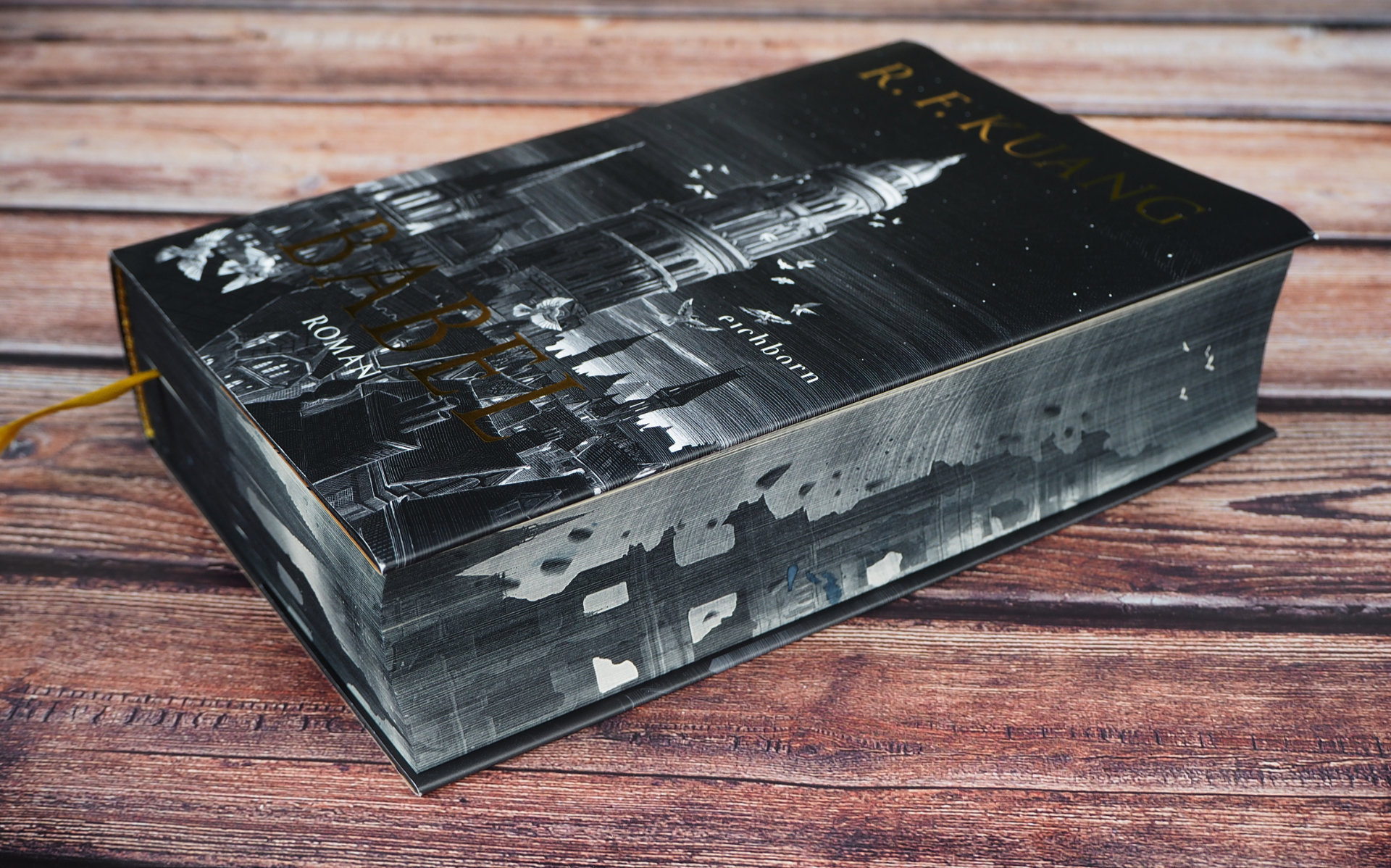
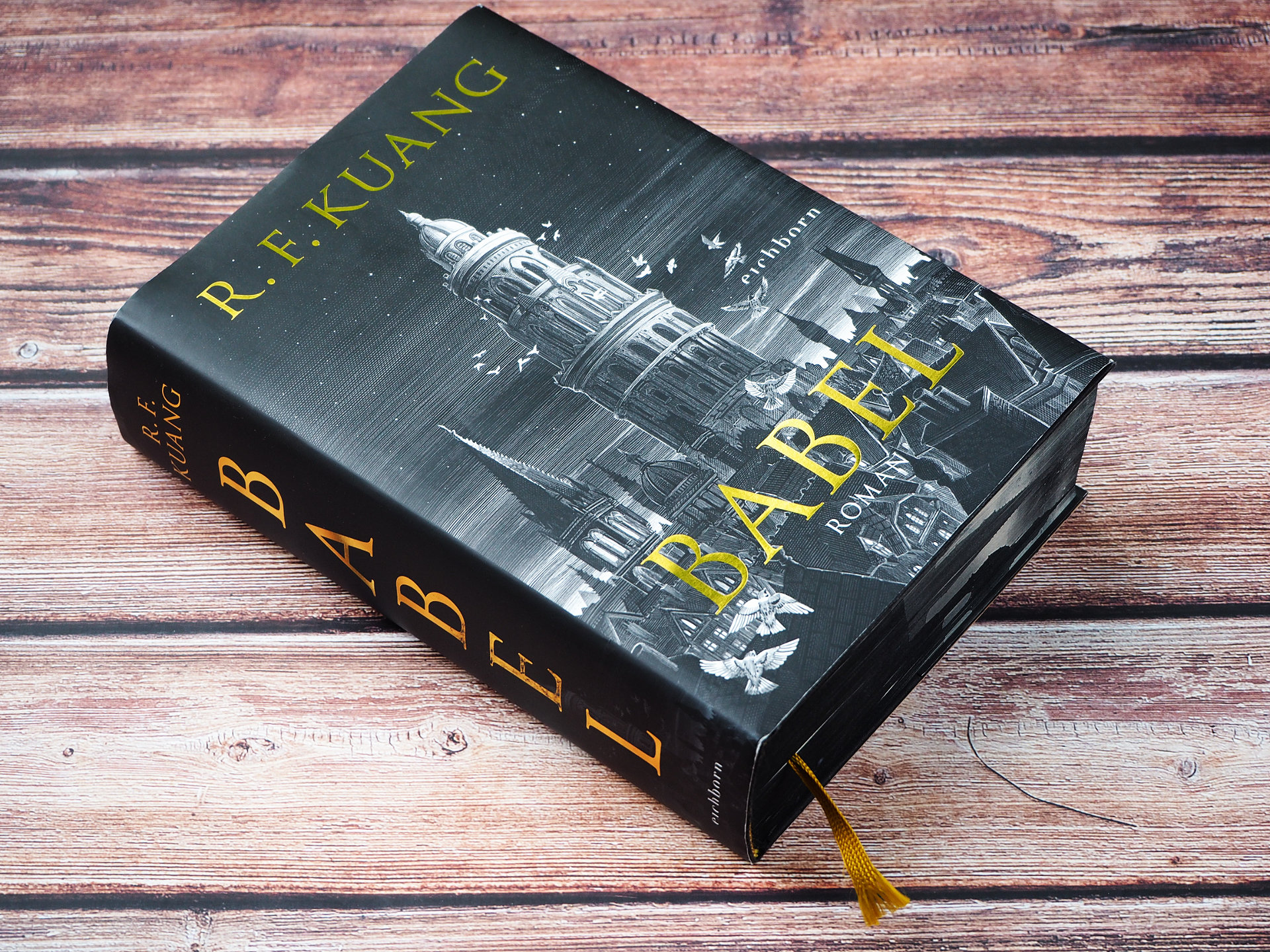
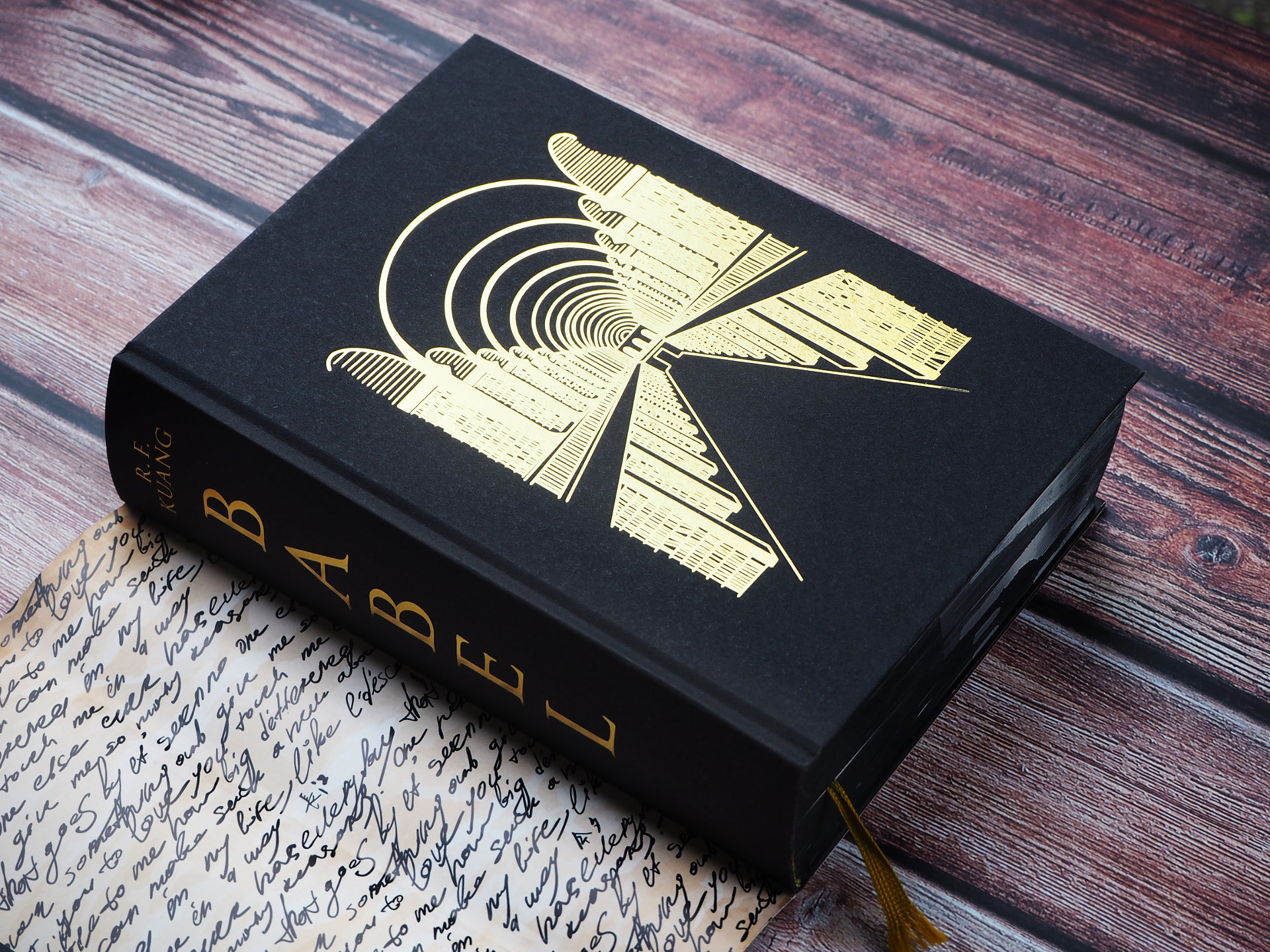
Ich habe mir nicht die normale Ausgabe, sondern die optisch aufbereitete Ausgabe von der Bücherbüchse geholt. Sie zeichnet sich durch einen bedruckten Schnitt aus, hat aber auch Illustrationen als Vor- und Nachsatz, eine goldene Prägung auf dem Buchdeckel und sogar eine Illustration auf der Umschlagsinnenseite. Also Extras, die natürlich wie gemacht für mich sind. Das Buch sieht auch wirklich sehr schick aus, besonders der bedruckte Farbschnitt. Leider gibt es solche schönen Veredelungen primär bei Jugendliteratur und die schmucken Ausgaben treffen inhaltlich leider nur selten meinen Geschmack.
Fazit: Mich lässt Babel mit gemischten Gefühlen zurück. Ich fand das Buch sehr unterhaltsam und hab es gerne gelesen. Man merkt die Faszination für Sprache, welche die Autorin wunderbar mit der Geschichte verwoben hat. Das daraus resultierende Konzept für die Magie in ihrer Welt ist richtig gut gelungen und sehr einfallsreich. Auch die spürbaren Parallelen zwischen aktuellen Themen wie Digitalisierung, Ressourcenausbeutung, Rassismus oder die Hegemonie einzelner Länder, machen das Buch durchaus zu einer aktuellen Lektüre. Was mich hingegen nicht überzeugen konnte, das ist der Verlauf den die Geschichte nimmt, der mir oft konstruiert vorkam. Mit den klaren Antagonisten und ihren eindimensionalen Verhaltensweisen wirkte der Verlauf der Geschichte oft wenig authentisch. Gerade das macht sie an vielen Stellen aber auch spannend, wobei es einige spürbare Längen gibt und man das Buch deutlich hätte straffen können, ohne das Lesevergnügen oder den Inhalt zu schmälern. Von der Sprache liest sich das Buch angenehm, ist aber auch nicht bemerkenswert. Ist das starke Marketing für das Buch gerechtfertigt? Ja es ist lesenswert, dauerhaft wird mir vermutlich aber nur die Magie in Erinnerung bleiben. Ein Buch das man nicht gelesen haben muss, dessen Lektüre man aber sicherlich auch nicht bereut. Wer schöne Bücher mag, der sollte unbedingt die Variante der Bücherbüchse wählen, die mit dem bedruckten Farbschnitt ausnehmend schön ist.
Buchinformation: Babel • Rebecca F. Kuang • Eichborn • 736 Seiten • ISBN 9783847901433
Hey, ich bin gerade über deinen Buchblog gestolpert und war sofort begeistert – so viele tolle Beiträge! Da musste ich einfach einen Kommentar da lassen. 😊
Ich blogge selbst über Bücher auf http://www.kopfvollerzeilen.de und würde mich riesig freuen, wenn du mal vorbeischaust. Vielleicht können wir uns ja ein wenig austauschen! 📚✨
Zu deinem Beitrag:
Man spürt richtig, wie viel Herzblut du hineingesteckt hast – das macht ihn umso schöner zu lesen! Wirklich toll geschrieben, hat mir sehr gefallen. 💕